
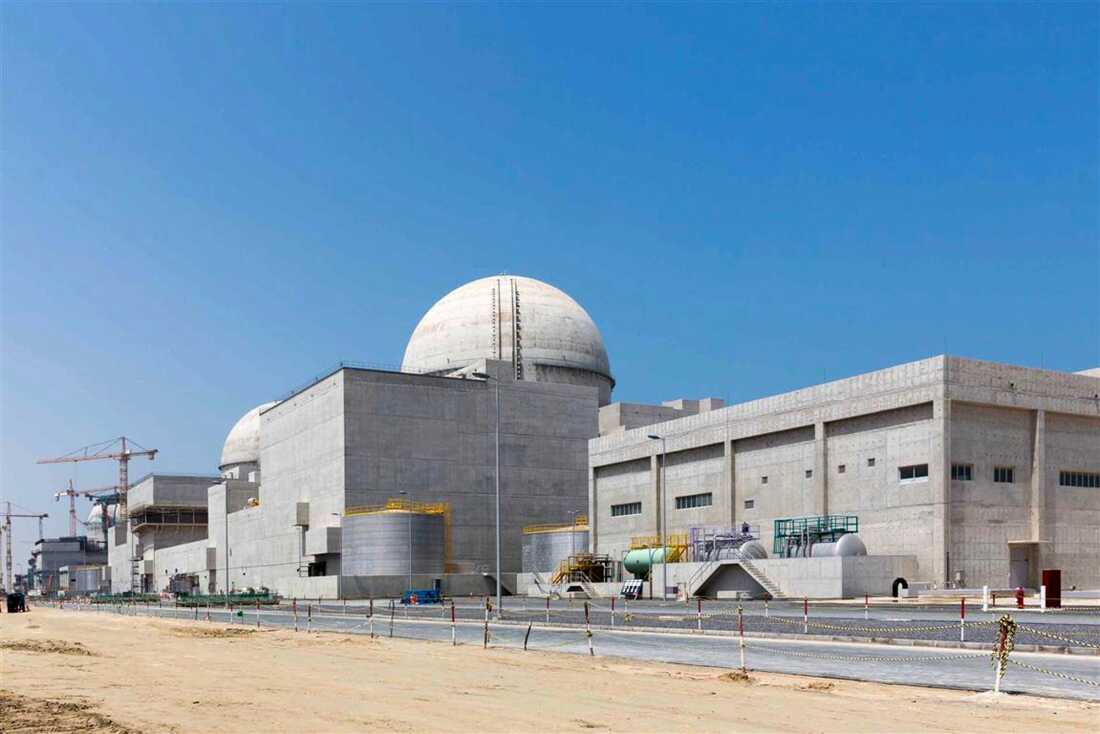
A drone strike ignited a fire near the United Arab Emirates’ only nuclear power station on Sunday. This incident, described as an “unprovoked terrorist attack” by authorities, raised concerns about escalating conflict between the United States and Iran. Fortunately, no injuries or radiation leaks were reported.
The UAE has hosted Israeli defense systems and personnel, accusing Iran of launching attacks using drones and missiles. The situation has intensified around the Strait of Hormuz, a crucial passage for energy resources, amid a U.S. naval blockade on Iran.
“For Iran, the clock is ticking,” stated U.S. President Donald Trump on social media after speaking with Israeli Prime Minister Benjamin Netanyahu. Iran appeared to have retaliatory capabilities ready, but also continued diplomatic dialogues.
Ceasefires have been unstable, as diplomatic efforts remain ineffective. Hostilities have resumed between Israel and Iran-backed Hezbollah in Lebanon, even with a supposed ceasefire there.
Barakah Nuclear Plant: A Quarter of UAE’s Energy
The UAE Defense Ministry reported the incursion of three drones from Saudi Arabia, though two were intercepted. The source of the drones remains unclear, but connections to Iran and Iraqi militias have been suggested.
Anwar Gargash, adviser to the UAE president, condemned the attack as a severe escalation, whether executed directly by Iran or through its proxies. Saudi Arabia also denounced the attack, stating it intercepted three drones entering from Iraq.
The Barakah nuclear power plant, built with South Korean assistance at a cost of $20 billion, commenced operations in 2020. It’s the sole nuclear facility in the Arab world and supplies 25% of the UAE’s energy needs.
The nuclear regulator confirmed that the plant’s safety was uncompromised, with all units functioning normally. The International Atomic Energy Agency noted a fire in an electrical generator, leading to one reactor relying on emergency power from diesel generators.
UAE’s Nuclear Program versus Iran’s
The UAE entered a “123 agreement” with the U.S., committing to forgo domestic uranium enrichment and reprocessing spent fuel, mitigating proliferation risks. Its uranium is imported, setting it apart from Iran’s program, which has brought ongoing tensions with the U.S. and Israel.
Iran maintains that its nuclear efforts are peaceful, but its uranium has reached near weapons-grade levels, sparking suspicions of military ambitions, especially as U.N. inspections have been limited since the last year’s conflict with Israel.
Israel is believed to possess nuclear weapons, though it has not confirmed this. Meanwhile, Iran has targeted regions near Israel’s Dimona nuclear site.
Fragile Ceasefire
The ceasefire appears increasingly unstable. There are discussions within the U.S.-Israel alliance about possibly resuming strikes on Iran.
Israeli Prime Minister Netanyahu indicated preparedness for any scenario with Iran. Iranian state TV has shown presenters with weapons, intensifying nationalistic sentiments.