
DOJ Sues Over Tuition Benefits for Illegal Immigrants
The Department of Justice (DOJ) has filed suits against three states, Vermont, Connecticut, and New York, over laws that allegedly prioritize educational benefits for illegal immigrants ahead of U.S. citizens. This legal action highlights ongoing debates about state versus federal authority on educational policies.
The lawsuits argue that state laws offering in-state tuition, grants, and state-funded loans to illegal immigrants are contrary to federal law. The involved states have granted such benefits to illegal immigrants, while similar benefits are not universally available to all U.S. students.
“Colleges cannot provide benefits to illegal aliens that they do not provide to U.S. citizens,” stated Assistant Attorney General Brett A. Shumate of the DOJ’s Civil Division.
Moreover, the DOJ initiated lawsuits against Oregon, Washington, New Mexico, and Arizona, claiming the violations are widespread. The DOJ emphasizes the cost disparity between in-state and out-of-state tuition, further accentuating economic implications for American students.
Impact on Higher Education
The lawsuits highlight potential financial distress for American students, showcasing significant tuition discounts illegal immigrants might access. For instance, at the University of Washington, illegal immigrants could receive a $31,054 discount based on residency status.
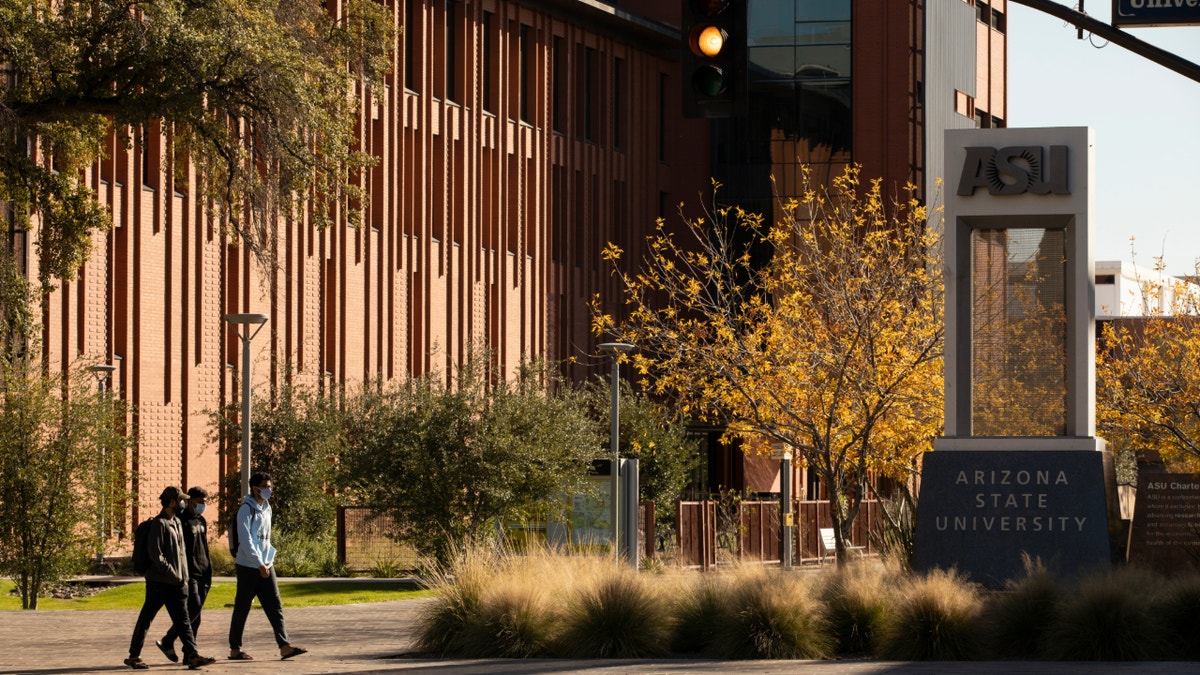
Arizona’s lawsuit points out a gap of $24,448 between in-state and out-of-state tuition at Arizona State University, with illegal immigrants saving substantial amounts due to state policy compliance.
The Arizona Board of Regents maintains adherence to state law, reflecting the complexity of state versus federal compliance.
Additional Benefits and Broader Implications
Scholarships such as the Rural Nurse Scholars Scholarship in Oregon reflect added benefits illegal immigrants might receive. The DOJ argues these benefits come at the expense of American students.
A report suggests that over 400,000 illegal immigrants may currently engage in higher education within the U.S. Such numbers challenge federal guidelines on financial aid distribution.
Lawsuits are active across numerous states, including Minnesota, Virginia, and California, placing substantial pressure on existing state policies.