
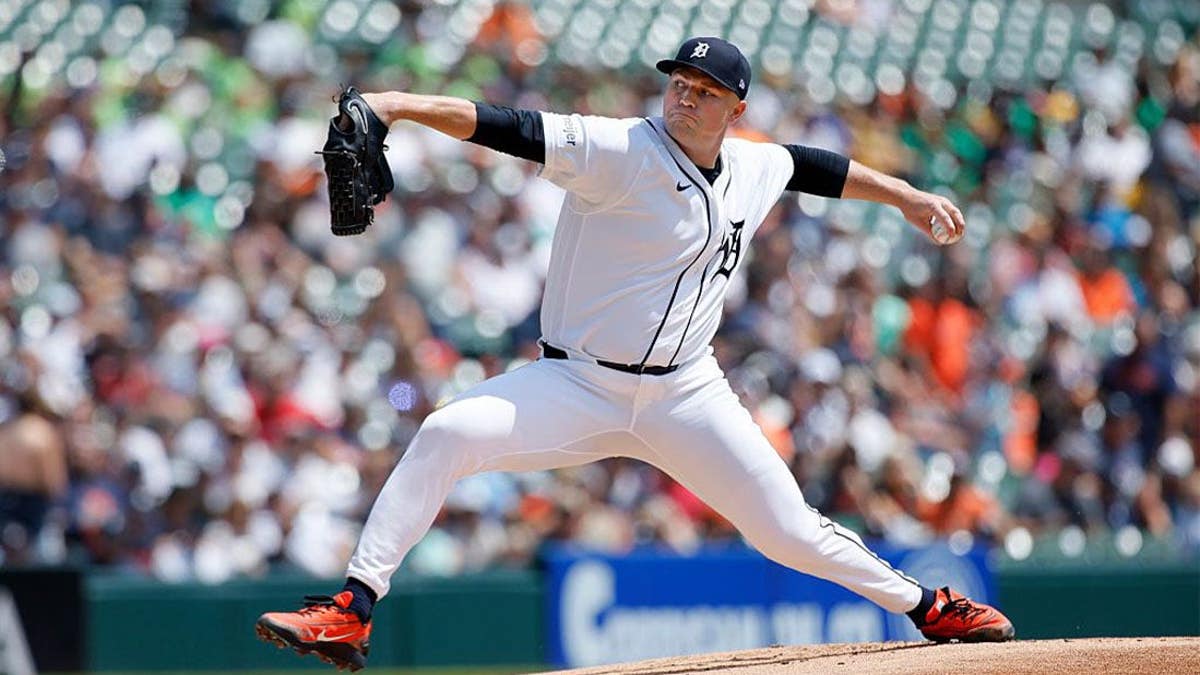
Late Saturday night, the Los Angeles Dodgers made headlines by trading for superstar pitcher and reigning American League Cy Young Award winner, Tarik Skubal. This move involved sending three young players to the Detroit Tigers: outfielder Zyhir Hope, pitcher River Ryan, and minor league pitcher Brady Smith. Hope and Ryan ranked 26th and 41st respectively in The Athletic’s prospect list, while Smith is noted for his impressive strikeout rate in the minors. The trade caused quite a stir on social media, with many questioning the deal’s balance and expressing extreme reactions.
While debate over the trade continues, it highlights a larger issue within Major League Baseball that goes beyond the immediate controversy. Understanding what this trade signifies is essential. The focus is often on the immediate impact, like Skubal’s potential contribution for the rest of the season. Skubal’s current contract situation means the Dodgers acquired him for the remaining regular season games and possibly the postseason. There’s uncertainty about his long-term future with Los Angeles, as many similar past trades didn’t result in long-term signings, despite high expectations.
The players sent to Detroit come with significant potential. Zyhir Hope is yet to debut in the major leagues and offers several years of team control. His current performance includes 23 home runs and 18 steals in AA, with an overall strong batting record. River Ryan, already in the majors, is noted for his ‘monster’ fastball and promising underlying statistics. These features make him a valuable addition to the Tigers’ roster for several years.
The trade itself is not about the Dodgers’ capacity to spend, but rather, their commitment to winning. Current MLB dynamics show that financial capability isn’t the only factor. Teams like the Brewers, Rays, Braves, or Cubs could potentially afford Skubal, yet they didn’t pursue the trade as the Dodgers did. This illustrates a broader issue where not all teams prioritize winning in the same manner.
Evidence of this competitive disparity is seen in how top-performing teams approach talent acquisition differently. While Milwaukee boasts an impressive lineup, they didn’t seize the opportunity to enhance it with a player of Skubal’s caliber, potentially impacting their playoff prospects. Owners who prioritize future cost savings over immediate competitive advantage may inadvertently jeopardize their teams’ championship potential.
In the current MLB landscape, only a few teams are willing to invest significantly in their payroll to enhance their winning odds. The Dodgers, despite their financial advantages, emphasize winning and invest more heavily in payroll relative to their revenue. They prioritize building a competitive team over maximizing profits.
Teams like Milwaukee have the chance to compete, but ownership’s conservative approach can limit their potential. This contrasts sharply with the Dodgers’ aggressive pursuit of talent, focused on increasing their championship odds. The broader takeaway from this trade involves examining how team priorities are set and the implications they have for fans and competitive balance in baseball. As the league navigates these challenges, the importance of prioritizing competitive goals over strict financial considerations becomes increasingly apparent.