
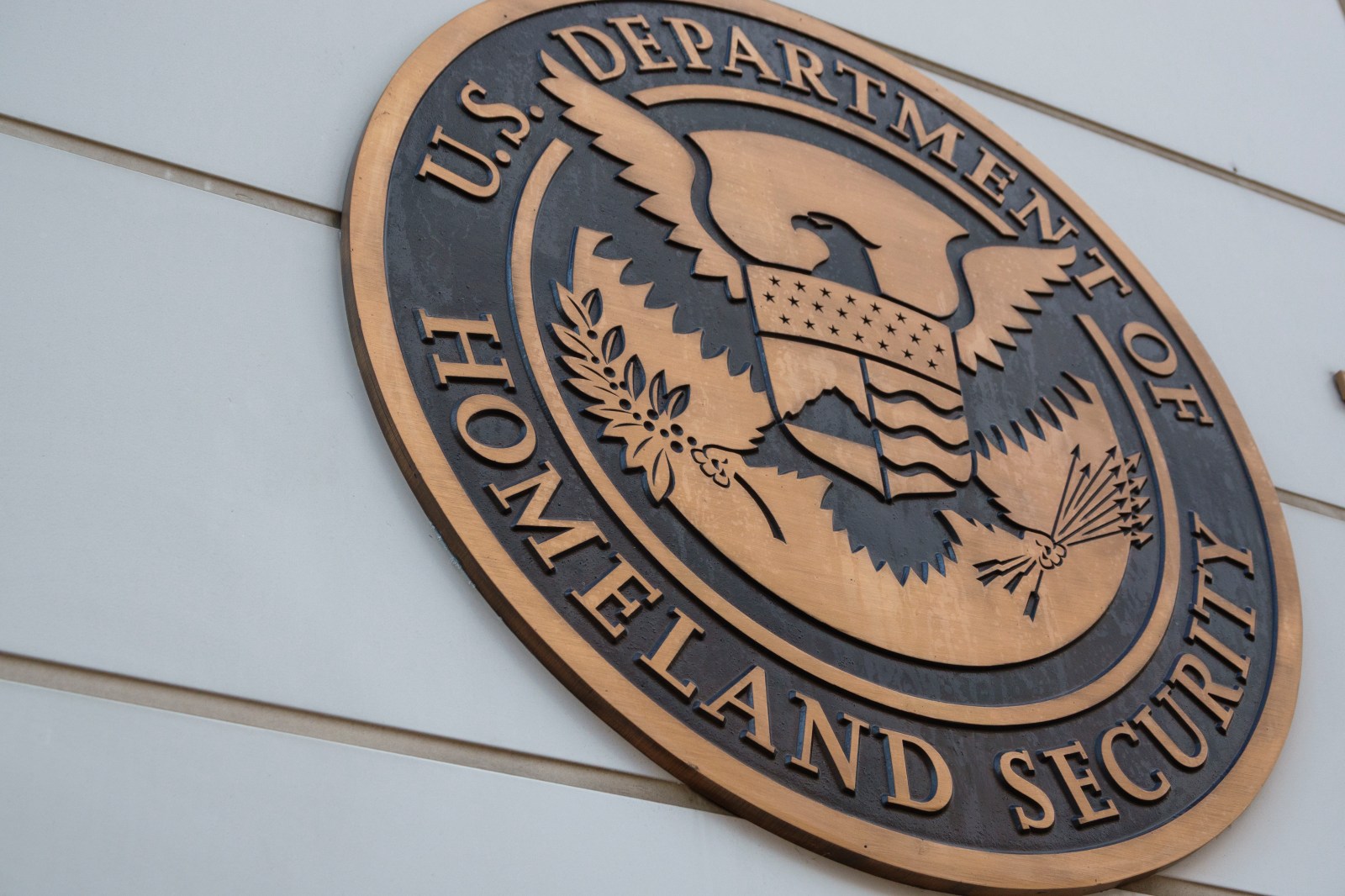
The Department of Homeland Security (DHS) intends to broaden the list of individuals who do not qualify for birthright citizenship. This new order seeks to grant them green cards instead. According to an unpublished Federal Register filing, DHS aims to exclude children born to foreign government employees from citizenship under the 14th Amendment. Historically, this applied only to diplomats and ambassadors.
This initiative marks another effort by the Trump administration to curtail birthright citizenship. Even after the U.S. Supreme Court confirmed in June that any child born in the U.S. is an American citizen under the constitutional amendment, DHS continues its bid to challenge this interpretation.
Details of the New Rule
The proposed rule by DHS revises the current regulatory framework. Now, it includes a broader category defined as “foreign government employees.” These children, born in the U.S. to foreign government employees, are not considered subject to jurisdiction for birthright citizenship if neither parent is a U.S. citizen.
The expanded category encompasses:
- Foreign diplomatic officers accredited to the U.S.
- Nationals employed by embassies or consulates.
- Individuals serving foreign governments officially.
- Employees of international organizations with immunity.
These individuals can apply for lawful permanent resident status. If approved, they gain permanent residency status from the date of birth.
Reactions and Legal Concerns
David Bier from the Cato Institute criticized the rule, declaring it legally and constitutionally lacking. He argues that DHS cannot exclude certain people from U.S. jurisdiction without granting them immunity, similar to ambassadors. The Supreme Court has affirmed that foreign government employees, excluding specific staff like ambassadors, remain subject to U.S. laws and jurisdiction.
Trump’s Executive Order and Its Impact
DHS’s proposed rule stems from Executive Order 14418, signed by President Donald Trump. Titled “Continuing to Protect the Meaning and Value of American Citizenship,” the order directs actions to prevent certain U.S.-born individuals from receiving citizenship documents based on their parents’ status.
DHS references its interpretation of the 14th Amendment’s Citizenship Clause, arguing the exclusion of children’s foreign government employees when neither parent holds U.S. citizenship.
Difference from the Diplomat Exception
The new rule moves beyond the current exception for diplomats. Under U.S. law, children of accredited foreign diplomats did not automatically obtain citizenship due to limited U.S. jurisdiction. Previously, DHS regulations only applied to diplomatic officers’ children but extended a path to permanent residency. The new proposal significantly widens the scope.
Legal and Political Implications
The DHS acknowledges existing legal challenges. In Casa Inc. v. Trump, a federal case contests the administration’s birthright citizenship actions. DHS asserts it won’t implement rules that breach the court’s injunction unless otherwise relieved, reflecting the uncertain legal environment the proposal faces.
Next Steps
The rule is scheduled for publication in the Federal Register on September 9, becoming immediately effective as an interim final rule. DHS will open the floor for public comments. It applies to children born after the effective date, without affecting those born earlier.
The courts’ response to this broadened birthright citizenship interpretation remains uncertain. Exemptions for accredited diplomats have historical precedence. However, applying similar measures to a broader array of foreign government staff introduces a fresh battleground in the ongoing debate over defining birthright citizenship limitations.