
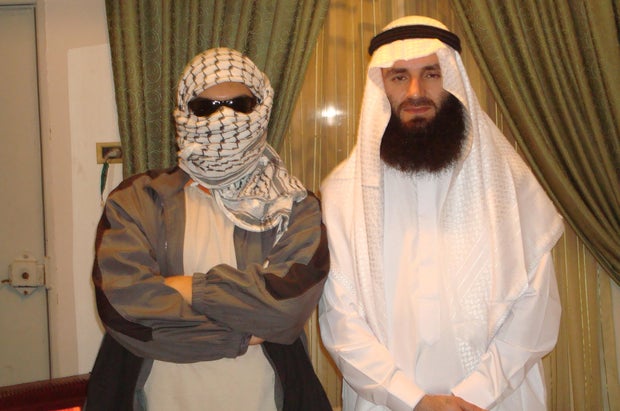
The Trump administration is actively pursuing the deportation of Blerim Skoro, a self-proclaimed CIA informant, who aided in convicting terrorists after the events of 9/11. Skoro, originally from Kosovo, is now fighting deportation after being detained by Immigration and Customs Enforcement (ICE) agents in New Jersey. His lawyers have filed in federal court to stop his deportation, asserting he was promised residency due to his significant contributions during his time as a CIA agent.
Risk of Deportation
As a cab driver residing in Staten Island, New York, Skoro has an American family. He was previously granted a deferral of removal in 2022, given the threat of capture and torture by terrorist groups if returned to Kosovo. This deferment stemmed from his involvement in helping apprehend members of terrorist organizations, including al Qaeda, al Shabaab, and Hezbollah. He now expresses fear that his contributions to the U.S. may result in his being sent back to a potentially life-threatening situation in Kosovo.
I never thought they were going to betray me like this,he said in a phone interview from Elizabeth Detention Center.
Spy Activities and Contributions
Skoro’s collaboration with U.S. intelligence organizations began with his incarceration for drug trafficking in 2000. Struggling financially after escaping the conflict in Kosovo with his family, he was caught smuggling heroin for an Albanian gang. While serving his sentence, Skoro was approached by the CIA to exploit his prison connections with radicals, turning him into a valuable informant.
While at FCI Allenwood, a federal prison, Skoro gathered intelligence for the FBI on various terrorists, including members of the Lackawanna Six and Hezbollah. His work during this period is documented in FBI records, albeit heavily redacted, highlighting his contributions as an informant in efforts targeting Osama bin Laden. Despite his expectation of a reduced sentence, Skoro was deported to Kosovo in 2007, where he claims the CIA instructed him to infiltrate al Qaeda. He re-entered the U.S. illegally in 2014.
Struggles and Legal Battles
Skoro’s legal turmoil escalated after his arrest for using his daughter’s transit card, leading to his detainment by ICE. His efforts to stay in the U.S. included assisting in stopping uranium shipments to Kosovo, which posed a potential nuclear threat. His legal representatives argue he has been a law-abiding citizen for the past ten years, fulfilling duties that significantly aided U.S. counterterrorism efforts.
Skoro’s wife, Susan, voiced frustration over the situation during his recent arrest at an immigration office, stating, They betrayed him. He deserves a pardon.
Skoro’s supporters, including Bhairavi Desai from his taxi union, expressed disbelief at his precarious legal status given his history of risking his life for counterterrorism efforts.
His lawyers have filed several legal motions, including a habeas corpus petition, questioning ICE’s authority to deport him without judicial permission — given his prior protection under the Convention Against Torture. This type of protection had been extended to others, but ICE deported some individuals under similar protections after acquiring assurances from their home governments of no harm.
The legal team contends that ICE’s actions lack justification and proper process, with opinions across the nation supporting this stance. The case’s outcome remains uncertain as Judge Robert Kirsch awaits a response from the government. Neither ICE nor other federal agencies have commented on the situation.