
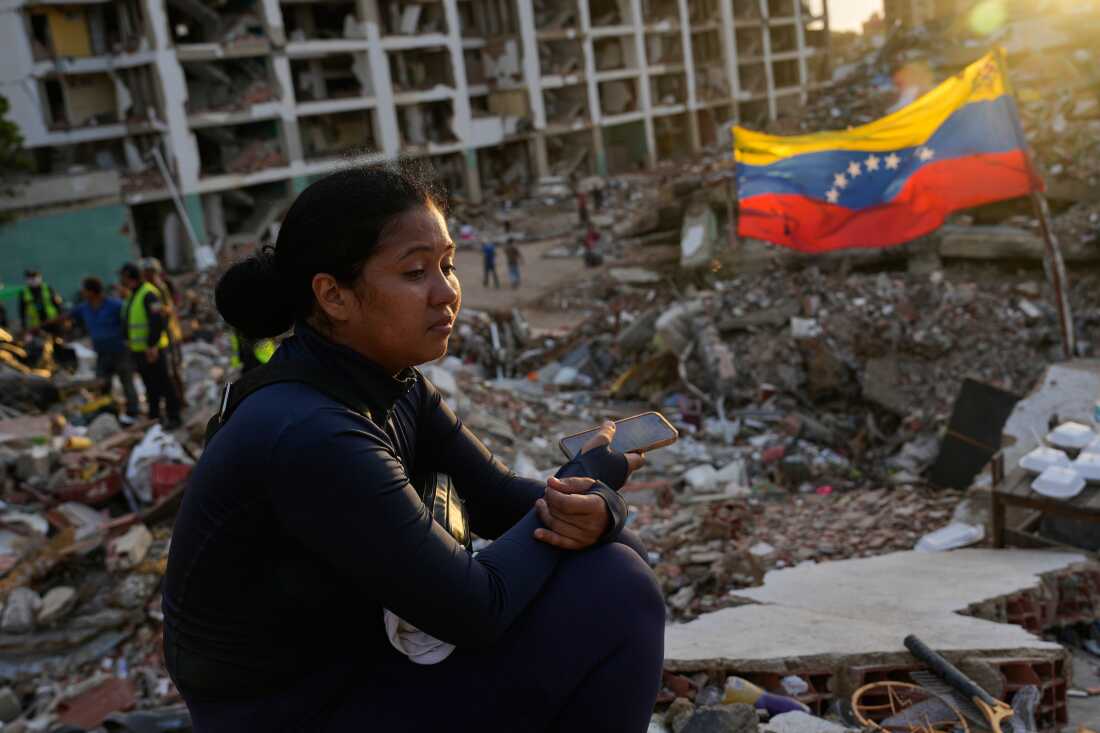
CARACAS, Venezuela – Amid the aftermath of recent earthquakes, Venezuela faces delays in its democratic transition. Following the twin earthquakes last month, which claimed 4,829 lives and left 16,740 injured, the country prioritizes recovery efforts over its political progressions.
Recent protests in Caracas saw about 100 demonstrators demanding free elections under the authoritarian regime. The group called for the release of over 300 political prisoners, although Venezuelan authorities mostly ignored the protestors, who were later dispersed by police oversight.
Acting President Delcy Rodríguez steps into leadership after the former leader Nicolás Maduro was detained by U.S. troops this January. The focus, according to critics, remains heavily on resurrecting Venezuela’s oil industry rather than advancing democratic processes. Rodríguez’s retention of pro-Maduro hardliners contributes to ignoring calls for electoral timetables.
Opposition leader María Corina Machado faced travel restrictions last month when Rodríguez’s government briefly closed the country’s airspace as she attempted to return from the U.S. Rodríguez accuses her critics of exploiting post-earthquake chaos to conspire against the government.
Opposition voices like José Rolón express frustration with continuous delays in the democratic transition. Others caution that replacing partisan institutions such as the electoral council and supreme court is necessary before holding elections.
Former diplomat Vladimir Villegas notes that these bodies backed Maduro’s disputed claims of victory in the 2024 presidential election, despite evidence suggesting opposition candidate Edmundo González’s win. Villegas highlights that polls display Rodríguez’s unpopularity due to a slow earthquake response, potentially dissuading Rodríguez from clinging to power as Maduro did.
Pre-earthquake talks between opposition and Rodríguez’s representatives on a democratic transition were paused as a result of the disaster. Machado, however, remains committed to pushing for free elections, arguing Venezuela’s readiness for an electoral process based on past experiences.
Venezuela’s opposition stays divided. Machado’s faction boycotted last year’s legislative elections and criticizes politicians who participated, creating a small opposition bloc in the National Assembly. Rejuvenating Venezuelan political parties poses another challenge, especially after many were outlawed or overtaken by Maduro’s regime. Vente Venezuela, Machado’s party, is recovering from being targeted and sabotaged under Maduro’s rule.
Party leaders like Henry Alviarez face ongoing legal battles and mobility restrictions following imprisonment. The party’s activists currently focus on earthquake relief efforts, delivering medical supplies to affected zones. Despite this shifted focus, volunteers promise to rekindle political efforts for free elections once recovery stabilizes.
Rosa Cucunuba, an activist, emphasizes the current need for disaster relief but assures that political pursuit for freedom will continue once immediate humanitarian demands are addressed.