
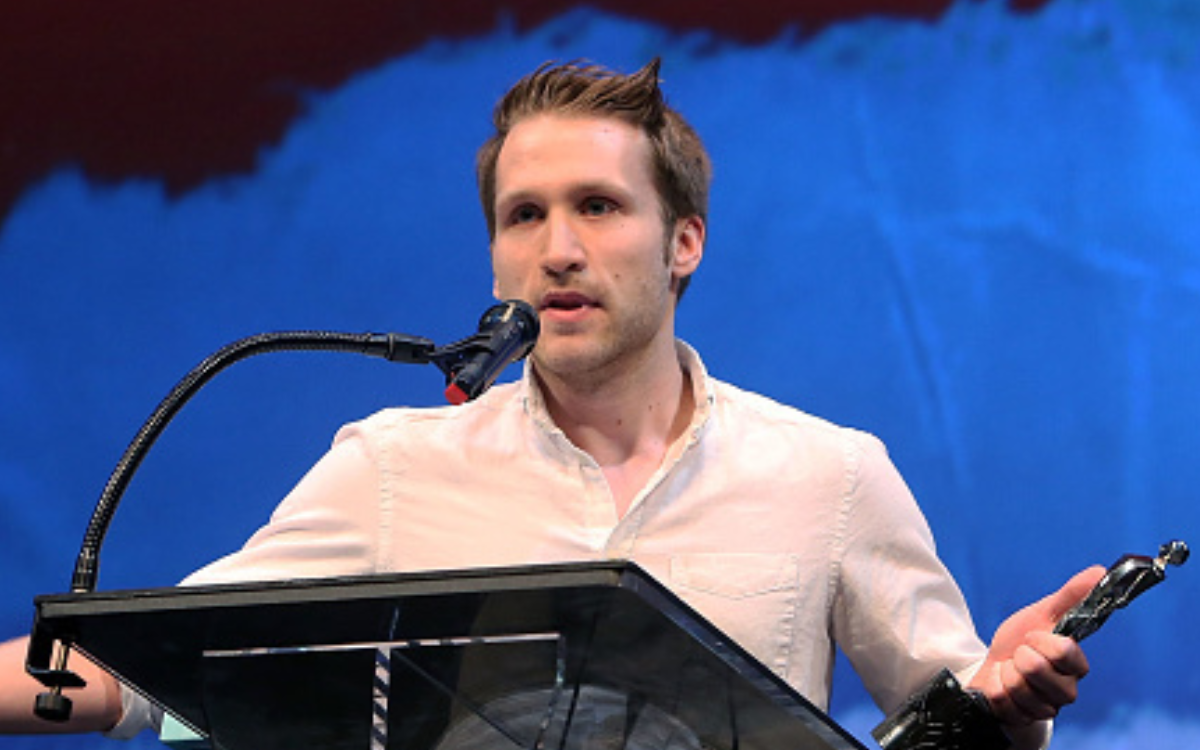
YouTuber Jesse Ridgway, known as @McJuggerNuggets, has sparked a debate over abortion rights and disability. Ridgway and his wife, Ashley, shared publicly that they terminated a pregnancy due to the baby being diagnosed with Trisomy 21, or Down syndrome. Ridgway announced the difficult decision on social media, mentioning the diagnosis brought by a high risk of the condition.
Understanding Trisomy 21
Trisomy 21, also referred to as Down syndrome, is a genetic condition caused by an extra copy of chromosome 21. It affects both physical and cognitive development. The condition occurs in approximately 1 in 700 to 1,000 births globally. The severity of Down syndrome can vary, but many individuals can lead full lives with appropriate support.
Initially, Ridgway was optimistic but mentioned he did not fully understand the condition. He later learned about associated health risks, including heart defects, hearing and vision issues, and a reduced life expectancy.
Public Reaction
The announcement drew mixed reactions online. Some condemned Ridgway’s decision, while others shared harsh critiques. Notable figures such as conservative commentator Matt Walsh and anti-abortion activist Abby Johnson expressed strong disapproval. Conversely, some praised families who continue pregnancies despite a Down syndrome diagnosis, insisting the choice remains personal.
Ridgway’s Response
Ridgway addressed the backlash, expressing surprise at the hateful responses. He criticized the religious arguments used against him and emphasized the personal nature of their decision. Ridgway stated that sharing their experience could highlight real suffering and potentially comfort others in similar situations.
The Role of Prenatal Screening
In the United States, prenatal screening is common, with up to 50% of pregnancies involving non-invasive prenatal testing (NIPT). This test can detect Down syndrome as early as nine to ten weeks of pregnancy. Studies confirm many pregnancies with a Down syndrome diagnosis end in termination, though the tests are not infallible. This aspect of pregnancy continues to stir strong moral and political discussions.
Complexity of the Debate
The debate over abortion following a Down syndrome diagnosis involves diverse perspectives. Pro-choice advocates argue that the decision should rest with the pregnant individual. Disability rights advocates worry such decisions might devalue the lives of disabled individuals, potentially causing stigma. Meanwhile, pro-life advocates view these abortions as discriminatory and call for restrictions or bans.
Legal and Technological Challenges
The overturning of Roe v. Wade in 2022 resulted in a fragmented legal landscape for abortion in the U.S. Access varies dramatically from state to state, with some states allowing termination for fetal anomalies and others enforcing strict bans. The rapid advancement of prenatal testing technology surpasses the pace of ethical discussions, complicating the matter further.