
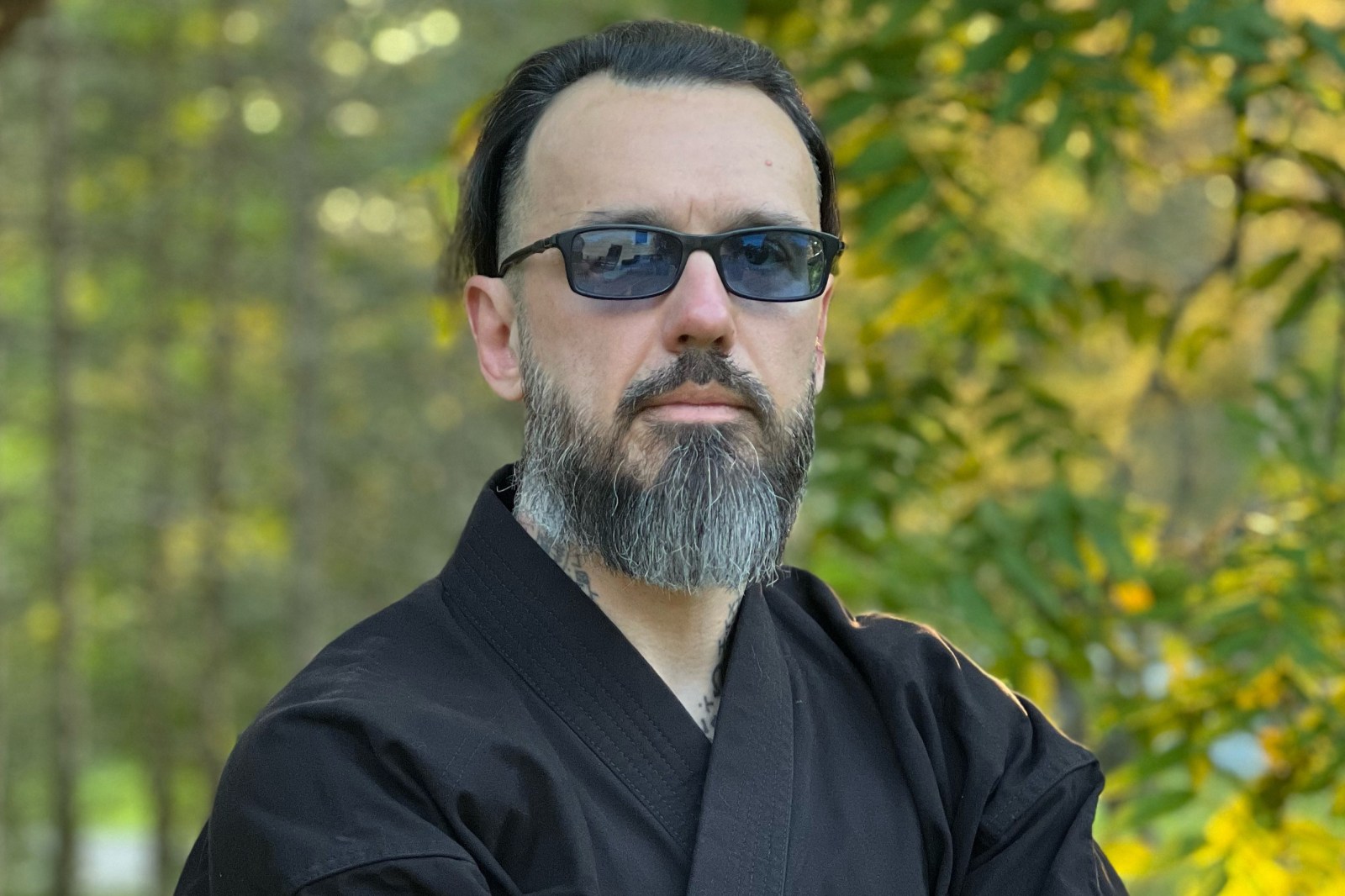
Damien Echols, who spent nearly two decades on death row before being freed, expressed concern over the livestreaming of Fort Hood shooter Nidal Malik Hasan’s execution. Echols told Newsweek that this act would be harmful to American society.
Nidal Malik Hasan, convicted of killing 13 people in a 2009 shooting at Fort Hood, Texas, faces execution by firing squad on December 3. Defense Secretary Pete Hegseth announced that the execution would be public, and a Pentagon official confirmed it would be livestreamed, sparking backlash.
“Livestreaming Hasan’s execution will be detrimental to the mental, emotional, and spiritual health of society and civilization,” Echols stated.
The plan, if executed, marks a historic first for the U.S. government. President Donald Trump approved the decision asserting it reflects serious consequences for such crimes. This follows fresh scrutiny on death penalty procedures after a failed execution attempt in Tennessee.
Views on the Death Penalty
Echols, 51, shared insights from his prison experiences with Newsweek. He observed transformative individuals on death row who would never harm again, noting their potential is wasted through execution.
Echols acknowledged violent inmates present a different challenge. “I think it’s an evil thing, but sometimes necessary to prevent greater harm,” he admitted.
Warning of Desensitization
Echols’ social media alert against watching the execution went viral, reaching over 500,000 views. He criticized the desensitization resulting from frequent exposure to violence.
“Repeated exposure can leave people numb,” Echols explained. He highlighted the possibility of clips spreading on social platforms, increasing unintended viewership, including children.
Impact on Society
Echols warned of societal degradation due to heightened polarization over the years. Broadcasting Hasan’s execution might exacerbate these trends, much like bloodlust revelry.
Publicizing the execution could bolster Hasan’s image among extremists, akin to how U.S. authorities handled Osama bin Laden’s death.
Message to Trump
Echols urged Trump to reconsider the livestream plan, prioritizing societal well-being over Hasan’s execution specifics. He hoped the detrimental effects on viewers, like U.S. children, could be avoided.
When Is Hasan’s Execution?
The Army confirmed Hasan’s execution at Fort Hood for December 3, with soldiers forming the firing squad. Hegseth emphasized public awareness of actions’ consequences.
What Is Next in Echols’ Case?
Echols continues efforts to clear his name following his 1993 conviction in the “West Memphis 3” case involving three 8-year-olds’ murder in Arkansas. DNA testing evidence in 2007 excluded them from the crime scene.
Arkansas Supreme Court allowed further DNA testing, with results anticipated this fall. Echols holds hope that DNA evidence from victim ligatures could conclusively identify the real perpetrator.
“The last person to touch those knots might have left skin cells. We’re seeking undeniable evidence,” Echols expressed.
Despite setbacks, he remains optimistic about reaching the finish line in his journey.