
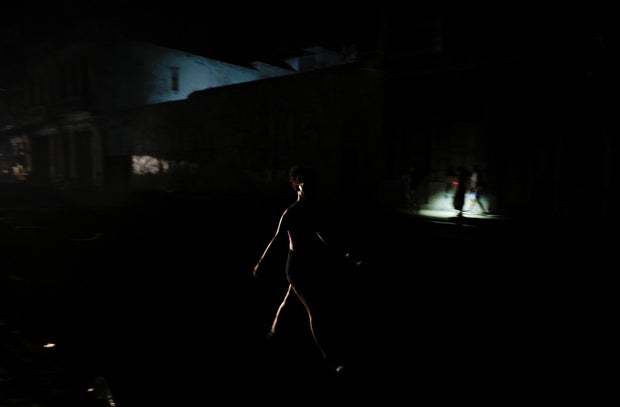
On July 7, 2026, Cuba began to slowly restore power after experiencing its third nationwide outage this year. The outages are worsening the energy crisis caused by a U.S. fuel blockade. The country had already been facing electrical issues before President Trump stopped its oil supplies in January. This cut further strained the already limited fuel for power plants.
The state electricity company, Union Electrica (UNE), announced on Monday a complete power shutdown across the island. The move left 9.6 million residents in the dark without specifying the cause. On Tuesday, UNE reported that electricity was restored to over 30% of Havana, including essential services like 43 medical centers and nine water distribution sites.
The restoration process is complicated by the lack of fuel,Lazaro Guerra, a director at the Ministry of Energy and Mines, said on national TV. He did not provide a repair timeline.
Cuban President Miguel Diaz-Canel attributed the blackout to U.S. sanctions, accusing them of trying to stir unrest by blocking Cuba’s fuel access. He praised the efforts of electrical workers trying to fix the national grid amidst the challenges.
The blackout coincides with the state enacting lengthy power cuts to conserve fuel. Some areas of Havana experienced over 30 hours without power, while rural regions faced more than 70 hours of outages.
Meyboll Font, a Havana resident and social media manager, expressed frustration. Her neighborhood gets only three or four hours of electricity daily, and the unpredictability adds to the difficulty. A software programmer from another area stated the power issues hinder work and internet access.
Power outages in Cuba are not new, as the Soviet-era power systems are deteriorating. Since the fuel blockade, blackouts have increased because there is not enough fuel for generators to support the grid. The U.S. has only allowed one Russian oil tanker to dock in Cuba since January.
Trump’s administration views the U.S. approach to Venezuela as a template for Cuba. The aim is to challenge over six decades of communist leadership. Cuba remains firm against foreign intervention and maintains its political stance.
Sanctions and the blockade have exacerbated Cuba’s long-standing crisis. Essential items like food, water, and medicine are scarce. Some medical procedures are delayed, prompting warnings from the United Nations about a humanitarian emergency. Transportation on the island is almost at a halt.
Recently, the Cuban government announced economic reforms to loosen state control. The U.S. State Department dismissed the measures as inadequate, emphasizing the need for more profound changes. Negotiations between the two countries have stalled. Havana accused the U.S. of blocking discussions on sanctions at the United Nations.