
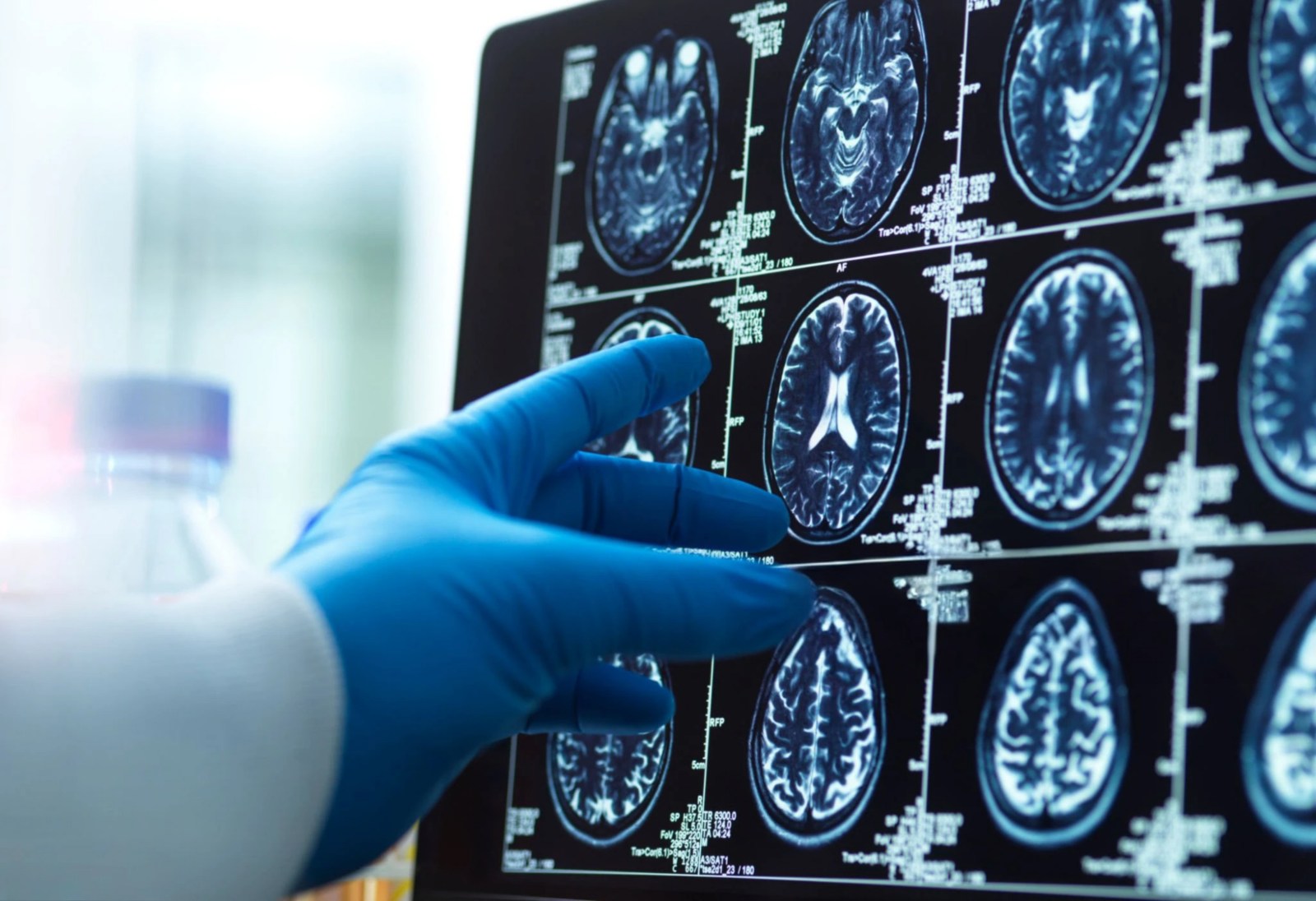
A copper-based drug may present a new approach to combating Alzheimer’s disease. Researchers at Monash University discovered that Cu(ATSM) reduced toxic proteins in the brain and enhanced memory in lab studies. Their findings, published in ACS Chemical Neuroscience, suggest this compound targets the brain’s waste-removal system, which often fails in Alzheimer’s patients.
Understanding Toxic Protein Accumulation
Alzheimer’s partly arises from amyloid-beta proteins building up in the brain. Normally, these proteins clear through the blood-brain barrier, a protective layer regulating substances entering and leaving the brain. In Alzheimer’s patients, this system’s efficiency declines, allowing harmful proteins to accumulate. P-glycoprotein (P-gp) pumps, which transport waste from the brain to the bloodstream, play a critical role. Dysfunctional pumps greatly reduce the brain’s waste-clearing capacity.
Study Insights on Cu(ATSM)
The study suggests Cu(ATSM) may restore the waste-removal system by boosting the number and activity of these pumps. Lead author Dr. Jae Pyun stated the treatment enhances brain blood vessel function, decreasing toxic proteins and improving cognitive performance. “This is the first study to show Cu(ATSM) can enhance P-gp pump abundance by 24.1% in an Alzheimer’s model, linking blood-brain barrier repair to lower toxic proteins and better cognitive function,” Dr. Pyun said.
Results indicated significant improvement through this waste-clearance pathway. After 56 days, treatment reduced amyloid-beta by 42% and improved spatial learning by nearly 44%. Repairing the blood-brain barrier may be crucial for alleviating Alzheimer’s damage.
Existing Drug Testing
Senior author Professor Joseph Nicolazzo noted the drug could progress to human trials faster than some other treatments. Cu(ATSM) has already been safety-tested for conditions like Parkinson’s and ALS. “Cu(ATSM) is a copper compound with neuroprotective properties already in clinical testing for other neurological disorders,” Nicolazzo said. He emphasized that reducing brain amyloid is considered vital for symptom improvement. Preclinical results support testing this drug in early symptomatic Alzheimer’s disease.
Future Research Directions
While findings are promising, researchers are investigating how amyloid-beta exits the brain once the barrier is restored. One hypothesis is that Cu(ATSM) might also enhance microglia activity, the immune cells aiding in toxic protein breakdown. Dr. Dayan Goodenowe, a neuroscientist not linked to the study, highlighted targeting the blood-brain barrier and waste-clearance systems as promising, noting Alzheimer’s involves broader biological factors.
Goodenowe noted that the brain’s lipid environment might influence amyloid biology. “The central question is not merely amyloid reduction but whether the intervention enhances cognition, function, and outcomes in humans,” he said. Research must progress from mechanisms and preclinical work to human trials, focusing on safety, dosage, efficacy, and regulatory validation.
Implications for Alzheimer’s Treatment
Future studies will delve deeper into these pathways. Currently, the results underline therapy potential focusing on blood vessel function and protein clearance in the brain. With rising dementia rates and an urgent need for effective treatments, the study provides initial evidence that addressing the brain’s cleaning system could be pivotal in Alzheimer’s therapies.