
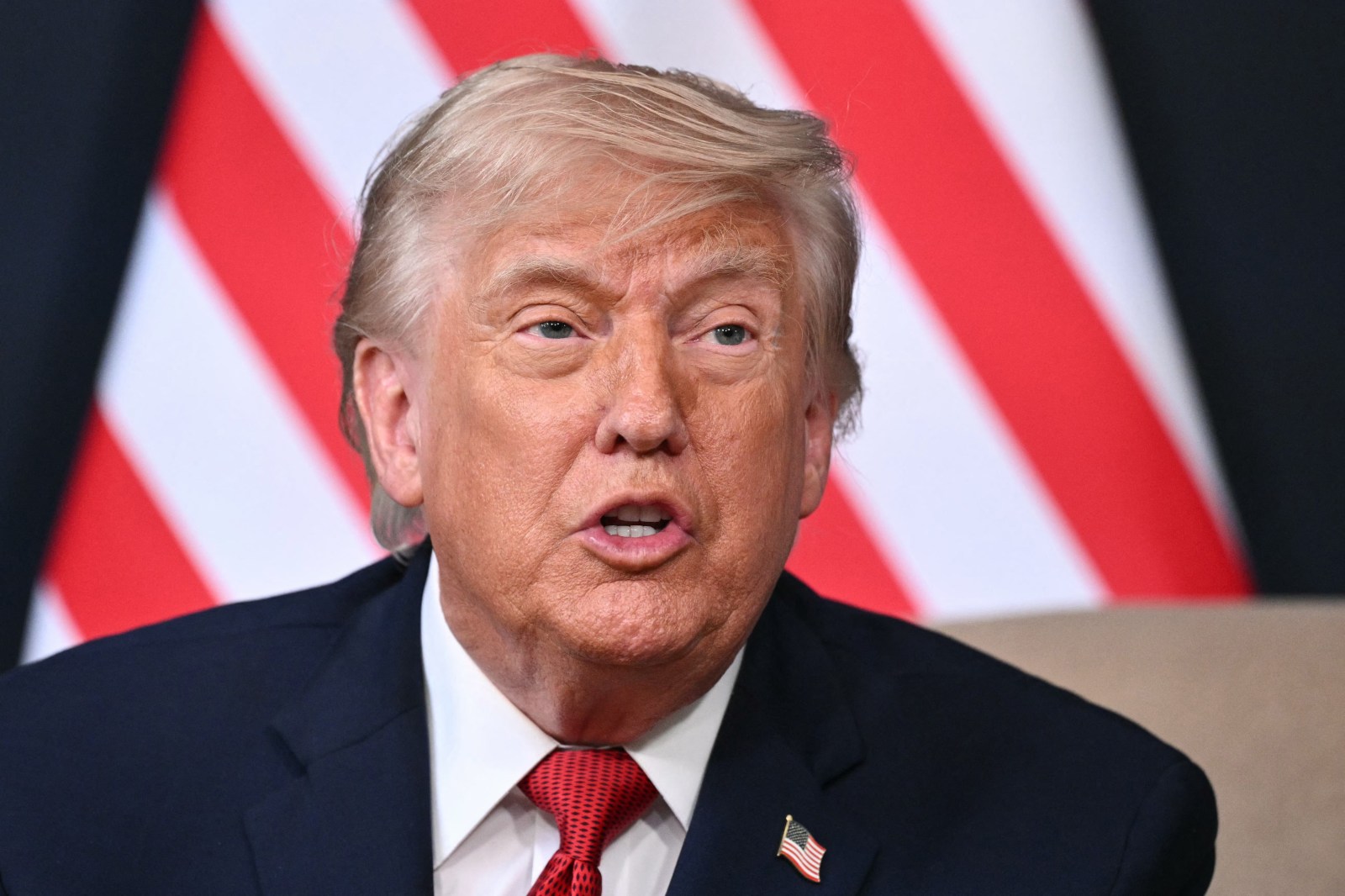
President Donald Trump’s frequent clashes with Senate Republicans have led to setbacks in his agenda on Capitol Hill. Analysts note this trend is delaying legislative progress. Recently, Trump announced a pause in Jay Clayton’s nomination for director of national intelligence until his choice for U.S. attorney for the Southern District of New York is confirmed. This pause leaves acting DNI Bill Pulte in place, complicating efforts to reauthorize FISA Section 702, which expired over the weekend.
Clashes with Senate Republicans
Several of Trump’s actions have strained relationships with Senate Republicans, challenging the advancement of his legislation. These include an anti-weaponization fund and a DOJ probe into former Federal Reserve Chair Jerome Powell. The upcoming midterms intensify pressures to advance Trump’s agenda, as Democrats are likely to regain control of the House, making the Senate competitive and harder for Republican control. As Mark Rozell, founding dean at George Mason University, commented, GOP unity is fracturing.
Nomination Hold
Trump announced via Truth Social that he would pause Clayton’s nomination, who previously served as U.S. attorney for SDNY, until Jamie McDonald’s confirmation as his replacement. This decision requires approval from New York Senators Chuck Schumer and Kirsten Gillibrand, thus affecting Congress’s agenda. With Pulte remaining as acting DNI, concerns arise about his national security qualifications. Democrats have stated they will not renew FISA Section 702 while Pulte holds this position.
FISA Deal Challenges
Trump’s halt in Clayton’s nomination complicates the path to a FISA deal, as Senate leaders cite insufficient votes for the SAVE Act, a bill linking election rule changes with FISA reauthorization. Proponents consider Section 702 a vital counterterrorism tool, yet critics argue it might allow unwarranted surveillance on Americans. Costas Panagopoulos from Northeastern University indicates Trump’s actions as an overreach of executive power that risks Republican cooperation.
Senate Discontent
Senator Richard Blumenthal labeled Trump’s actions as chaos-inducing for the intelligence community, a sentiment echoed by peers. Senators Chris Coons and Tina Smith have expressed concerns over Pulte’s role and Trump’s decision-making approach. Senator Tom Cotton noted regret over the hearing postponement for Clayton, highlighting the disruption caused.
Impacts on GOP Agenda
Trump’s recent actions have hindered his party’s agenda progress, also aggravating tensions with Senate Republicans. Incidents like the DOJ probe into Powell put nominations like Kevin Warsh’s at risk. Senator Thom Tillis, withholding his support, cited concerns about DOJ independence. Critics also opposed the anti-weaponization fund fearing it could aid Capitol rioters, further risking confirmations.
Republican Response
With midterms nearing, some Republicans distance themselves from Trump. Todd Belt from George Washington University asserts GOP alignment with Trump largely persists due to shared voter bases. Yet, concerns over the SAVE Act and filibuster stance highlight friction. Panagopoulos warns of declining Trump influence, with GOP distancing amid economic issues and lowered approval ratings. Noteworthy are Republican senators like Cornyn and Cassidy, who could shift positions in legislative matters.
Future Considerations
The prospect of lost seats in the midterms frames upcoming legislative actions. Rozell suggests Trump’s second term may face heightened challenges as Democrats leverage increased blocking capabilities against his agenda.