
In Steelworkers Park, butterflies and dragonflies move among native plants that have grown waist-high. Nearby, public art and concrete ore walls remind visitors of the U.S. Steel South Works’ lasting environmental impact. Now, the area sees buzz from construction on a $9 billion Illinois Quantum and Microelectronics Park. This 440-acre development on the old mill site began last fall, next to Steelworkers Park.
At the project’s groundbreaking, Gov. JB Pritzker touted it as a hub for jobs and economic growth. PsiQuantum, a California-based company, agreed to be the anchor tenant. Other tech firms, including IBM and organizations backed by DARPA, will also set up operations there. However, concerns have been raised by local community groups about transparency in the project.
“The coalition of government, private industry, and academia claims it can solve impossible problems. But we’ve learned it may displace communities and damage the environment,” said Damon Williams of Respair Media.
While state officials are eager for Illinois to lead in computing technologies, local activists voice concerns about increased resource use, regulation, noise, and privacy issues. The investigative feature “Quantum Entanglements” by Williams and co-founder Daniel Kissingler aims to provide the public with a comprehensive view of the development and its impact on the community.
Though plans include a hospital, a 128-acre quantum computing center, and office space, clarity about the final layout remains lacking, worrying residents. Anne Holcomb, a South Shore resident, remarked that the community had no input on the land’s future use. The project has highlighted gaps in transparency, raising questions about the balance between development and community needs.
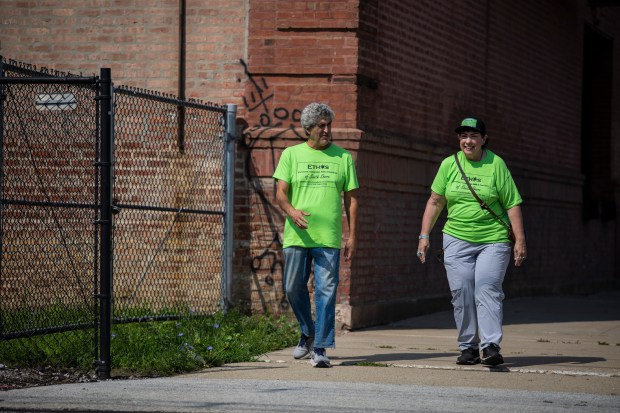
ETHOS (Environment, Transportation, Health, and Open Space) aims for a community benefits agreement. Despite the project’s promise, many worry about potential negative impacts. Advocacy groups push for commitments on environmental and housing protections, job opportunities for locals, and educational investments.
Antonio Lopez, co-director of the Chicago Frontlines Fund, noted this tension isn’t new. Large developments often cause distrust and concerns about affordability and neighborhood transformation. Past projects, like Lincoln Yards and the Crawford Power Station, faced similar criticisms.
The “Quantum Entanglements” project, after 16 months of research, aims to bring transparency to this issue. Supported by the Alliance Matters campaign, the project seeks to ensure local communities have a voice in their development projects. Local advocacy groups engage with developers and monitor construction to ensure responsible progress.
As construction proceeds, ETHOS volunteers and developers discuss issues such as housing, parks, and education, working to secure a beneficial outcome for the community. Ongoing dialogues and site monitoring attempt to keep the process accountable and inclusive for community members.