
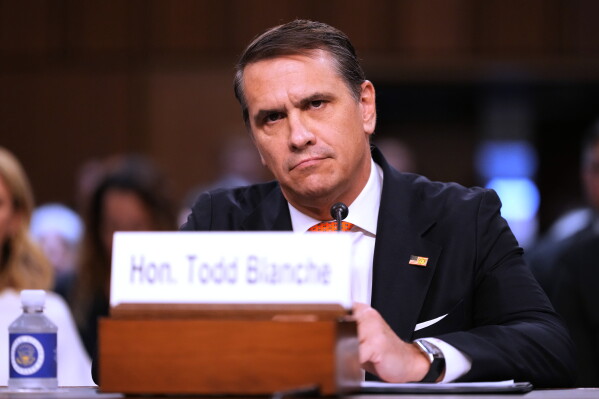
In recent negotiations with Republican senators, Todd Blanche relinquished a $1.8 billion fund intended to compensate President Donald Trump’s political allies. However, the audit immunity deal, which could erase millions of dollars in Trump’s back taxes, remains in effect with some adjustments. This was part of Blanche’s efforts to gather support for his confirmation as attorney general.
Blanche communicated to lawmakers that the audit immunity only retroactively applies to claims open at the lawsuit’s settlement time and won’t affect future tax filings. This assurance seemed sufficient to sway the remaining GOP senators opposing both the fund and the audit deal, paving the way for Blanche’s confirmation. The agreement has sparked bipartisan discontent and stirred concerns over tax system fairness.
Background on the Audit Deal
The controversial audit immunity arose from a settlement of Trump’s $10 billion lawsuit against the IRS concerning leaked tax returns. Initially, the deal provided broad protections to Trump, his sons, and the Trump Organization, but new details have narrowed the scope. According to recent reports, this immunity could relieve Trump of potentially over $100 million in back taxes.
“The good news is that the anti-weaponization slush fund is dead. The bad news is that tax immunity for the president and his associates persists,” stated Dan Greenberg of the Cato Institute, describing it as an illegal settlement product.
In July, U.S. District Judge Kathleen Williams deemed Trump’s IRS lawsuit improperly motivated. She did not annul the immunity deal but specified it lacked legitimate legal process recognition. Trump’s appeal on her ruling is pending.
Concerns and Legal Implications
Some experts argue that the immunity agreement might breach an IRS statute against presidential interference in tax audits. This statute was reinforced post-Watergate, specifically addressing executive influence in audits. The attorney general, however, can decide on such matters, potentially allowing Blanche to end an audit, although his legal standing remains contested.
Nina Olson from the Center for Taxpayer Rights criticized the settlement as detrimental to IRS integrity. Blanche’s recent communications maintain the administration isn’t pursuing the fund. However, Trump’s statements imply its potential return, fostering skepticism about its true status. Experts like NYU’s Brandon DeBot stress the necessity of congressional measures to preclude its revival and related compensations.
Democratic voices call for legislative actions to ensure permanent cessation of the fund. This would prevent potential compensation to Trump allies, including those involved in the January 6 Capitol attacks, through existing government process claims.
Greenberg critiques the negotiations, expressing that the senators’ supposed hard-bargaining appears ineffective upon closer inspection.