
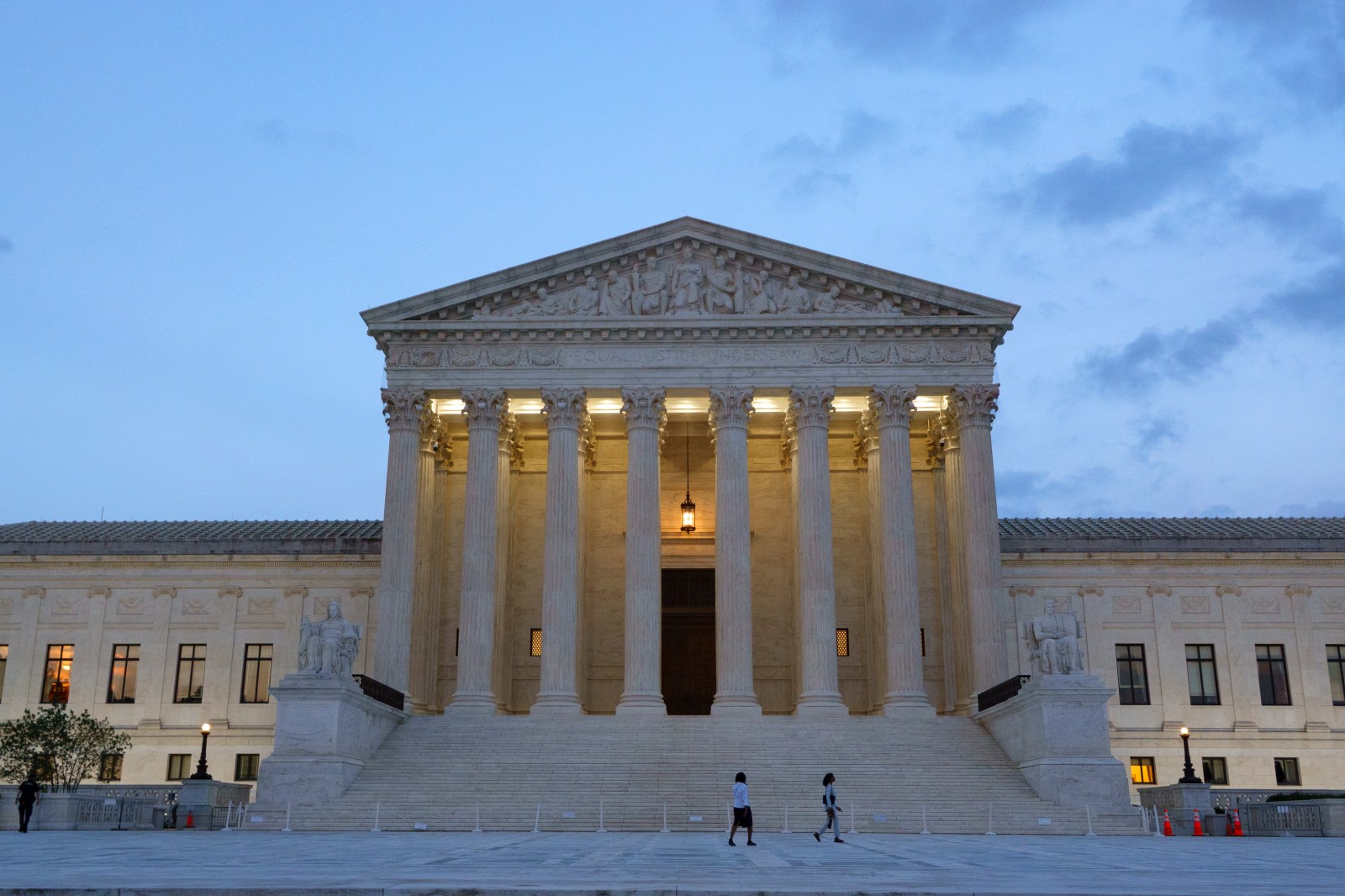
Conservatives Target Judges After Supreme Court Ruling
In the aftermath of the Supreme Court’s decision that upheld birthright citizenship under the 14th Amendment, conservative activists are shifting focus. Despite the court ruling against President Trump’s executive action, conversations at a late-July meeting in Washington show there’s no retreat. Attendees, including conservative lawyers and former Trump officials, debated how birthright citizenship could influence future judicial nominations.
Supreme Court Decision: Trump v. Barbara
The Supreme Court ruled in Trump v. Barbara that children born in the U.S. to parents unlawfully or temporarily present are U.S. citizens at birth. Trump intended to limit birthright citizenship with an executive order, but the ruling thwarted this attempt, leaving allies arguing for a reevaluation of the Citizenship Clause’s broad interpretation.
Justice Clarence Thomas and Justice Samuel Alito dissented, suggesting the current interpretation might not endure. This dissent serves as a catalyst for those advocating further action on this issue.
In response, the White House has introduced new executive orders targeting specific categories that, per its argument, fall outside traditional protections. These measures will likely spark legal challenges, yet demonstrate ongoing commitment to challenge birthright citizenship.
Focus on Judicial Appointments
A new strategy at the Washington gathering highlighted the judicial nomination process. Mike Davis of the Article III Project emphasized the importance of alignments with Justice Alito’s dissenting stance, advocating for judicial changes that could favor future challenges to birthright citizenship.
Discussion included advancing the issue via legal scholarship, conferences, and legislative actions. However, the focus on judges underscores a strategic pivot, aiming to embed birthright citizenship views into constitutional debates seen in judicial appointees.
Previous Judicial Litmus Tests
The method of assessing judges based on key constitutional debates is longstanding among conservatives. Abortion rights, examined since Roe v. Wade, showcase such a strategy, influencing recent court directions. Gun rights, religious freedom, and governmental authority have similarly been central issues shaping judicial appointments.
Currently, conservative legal circles are monitoring judicial views on administrative powers, religious freedom, and originalist interpretations. Birthright citizenship is poised to join these critical issues, seeking gradual influence through judicial appointments.
Birthright Citizenship: The Next Roe v. Wade?
Some activists liken their agenda to the campaign against Roe v. Wade. Davis of the Article III Project asserted the decision’s impact, comparing birthright citizenship debates to the Roe v. Wade controversy and anticipating a prolonged effort toward reinterpretation.
This comparison draws attention to multifaceted approaches used against Roe, from scholarly pursuits and legislative efforts to public campaigns and judicial nomination debates. Such parallels suggest a similar path for birthright citizenship, aimed at reshaping societal and judicial landscapes.
Measuring Progress and Future Directions
Despite recent setbacks, advocates for restricting birthright citizenship feel the debate’s significance has multiplied. John Eastman, a long-time supporter of a narrower view of birthright citizenship, sees reaching the Supreme Court as pivotal. He notes growing discussions among lawmakers, jurists, and citizens.
With the Supreme Court’s ruling standing firm for now, legal experts predict challenges to Trump’s executive actions. Conservatives, however, appear focused on broader arenas, cultivating lawyers, scholarship, and judicial narrations to channel future legal perspectives.
As this initiative advances, inquiries concerning the 14th Amendment’s Citizenship Clause may become prominent in evaluating judicial nominees, altering confirmation hearing dynamics over time.