
Holding someone in contempt of Congress often occurs when a person refuses to testify before a House or Senate committee or fails to provide requested documents. This situation often involves a subpoena from lawmakers.
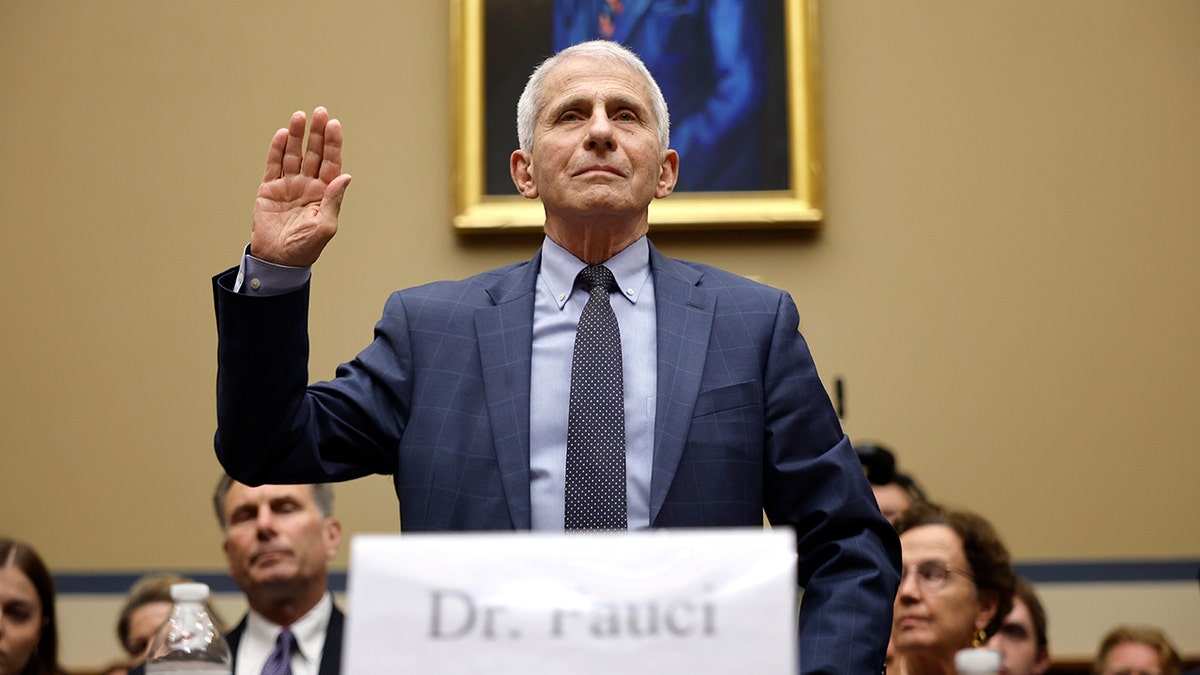
The Senate Homeland Security and Governmental Affairs Committee recently voted to hold Dr. Anthony Fauci in contempt of Congress. The committee’s decision came after Fauci declined to answer questions during a hearing, choosing to invoke his rights under the Fifth Amendment instead. As a result, a subpoena was issued to encourage his testimony.
“On the advice of counsel, I respectfully decline to answer based upon my rights under the Fifth Amendment of the Constitution,” Fauci stated repeatedly during the session.
Fauci’s invocation of the Fifth Amendment led to a heated debate. Republican senators argued that a pardon previously granted by then-President Joe Biden obligated Fauci to respond. Meanwhile, Democrats claimed the proceedings were a strategic ruse to provoke criminal charges through statements not covered by the pardon.
The committee’s decision to hold Fauci in contempt resulted in an 8-5 vote, reflecting party lines. Republican voices like Sen. Rick Scott emphasized the significance of the vote, whereas Democrats like Sen. Gary Peters argued it set a damaging precedent.
Senate Homeland Security Committee Chairman Rand Paul indicated plans to deliver the matter to the Attorney General and the district court. However, this move bypasses the tradition of a full Senate vote before referring someone to the Justice Department. Democrats condemned this unilateral approach as inappropriate and risky.
The Department of Justice stated it reviews all Congressional referrals thoroughly, but Democrats believe that disregarding Fauci’s Fifth Amendment rights weakens any potential prosecution.
“It is almost certainly never going to be approved by a court because it violates basic constitutional rights,” noted Sen. Richard Blumenthal.
This situation also sparked controversy over the handling of Senate inquiries. Democrats accused Republicans of excluding them from parts of the investigation, while Republicans urged Democrats to engage with shared findings.
An additional development in the investigation includes a Senate panel obtaining a copy of Fauci’s Health and Human Services phone used during the pandemic, which may provide further information.
This case of contempt of Congress involving Fauci serves as both a legal challenge and a political one, with implications for both parties and the Justice Department.