
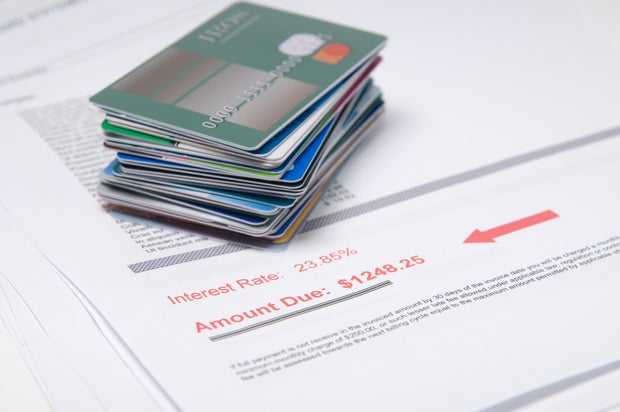
Credit card balances continue to rise, complicating financial matters for many. During the second quarter of 2026, credit card balances increased by $21 billion nationwide, reaching $1.26 trillion, according to the latest report from the Federal Reserve Bank of New York. Currently, 4.7% of household debt is in some stage of delinquency. As a result, borrowers feel the weight of these financial obligations.
Consequences of Missing Three Credit Card Payments
Missing credit card payments can escalate financial problems. Understanding the consequences is vital for managing debt effectively.
Impact on Credit Scores
Credit card issuers can report accounts as delinquent if payments are over 30 days late. Multiple missed payments could lead to reports of being 60 or even 90 days late. This will negatively affect your credit score as payment history significantly influences it. Such negative information can stay on your credit report for up to seven years, impacting your financial future.
Interest Rate Increases
After three missed payments, credit card issuers may apply penalty rates. Federal regulations generally prevent rate hikes on existing balances due to a single late payment. However, at 60 days delinquent, issuers may impose higher interest rates, making it harder to reduce your debt.
Loss of Credit Card Access
As delinquency advances, credit card access may become restricted. The card issuer could suspend or close the account, stopping additional purchases. You’ll remain responsible for the existing balance, despite the inability to use the card.
Escalated Collection Efforts
Reaching 90 days in arrears doesn’t mean creditors wait for resolution. You might encounter increased communication, heightened collection efforts, or even potential options designed to resume payments. Continuous delinquency can lead to intensified measures from issuers.
Addressing the Problem
Three missed payments may indicate that a simple temporary cash-flow issue has become a significant financial problem. There are various steps you can take to address this situation:
- Contact Your Card Issuer: Many issuers offer hardship programs to reduce payments or interest rates temporarily. Early inquiries can yield more options.
- Explore Credit Counseling: Credit counseling services or debt management plans can help with structured repayment and lower interest rates if you have funds to pay debts but need guidance.
- Consider Debt Consolidation: If you qualify for financing with a lower interest rate, debt consolidation may be beneficial, provided you can manage the new payment structure.
- Debt Forgiveness and Settlement: For severe financial hardship, negotiating a debt settlement may relieve part of the balance owed, although this comes with potential disadvantages.
Consider these options carefully to decide the best course of action for your situation. Immediate steps can mitigate future complications and stabilize your financial health.