
Retired Air Force Lt. Col. Buzz Patterson, who served as Delta Air Lines pilot for 16 years, has raised alarms over potential terror cells within foreign airlines after a co-pilot on a FlyDubai plane attacked the captain during an Israel-bound flight. The incident compelled an emergency landing in Tabuk, Saudi Arabia, according to reports.
In a conversation with Fox News Digital, Patterson stated that while the existence of terror cells within airline companies overseas might be more plausible than domestically, it still warrants scrutiny from the Department of Justice. The FlyDubai flight from the United Arab Emirates to Tel Aviv, which carried 174 passengers and eight crew members, faced an abrupt dive after the co-pilot allegedly attacked the captain with a crash ax. Investigations continue into the motives behind the assault, considering terrorism or mental health as possible factors.
Response from Officials and Public Safety Concerns
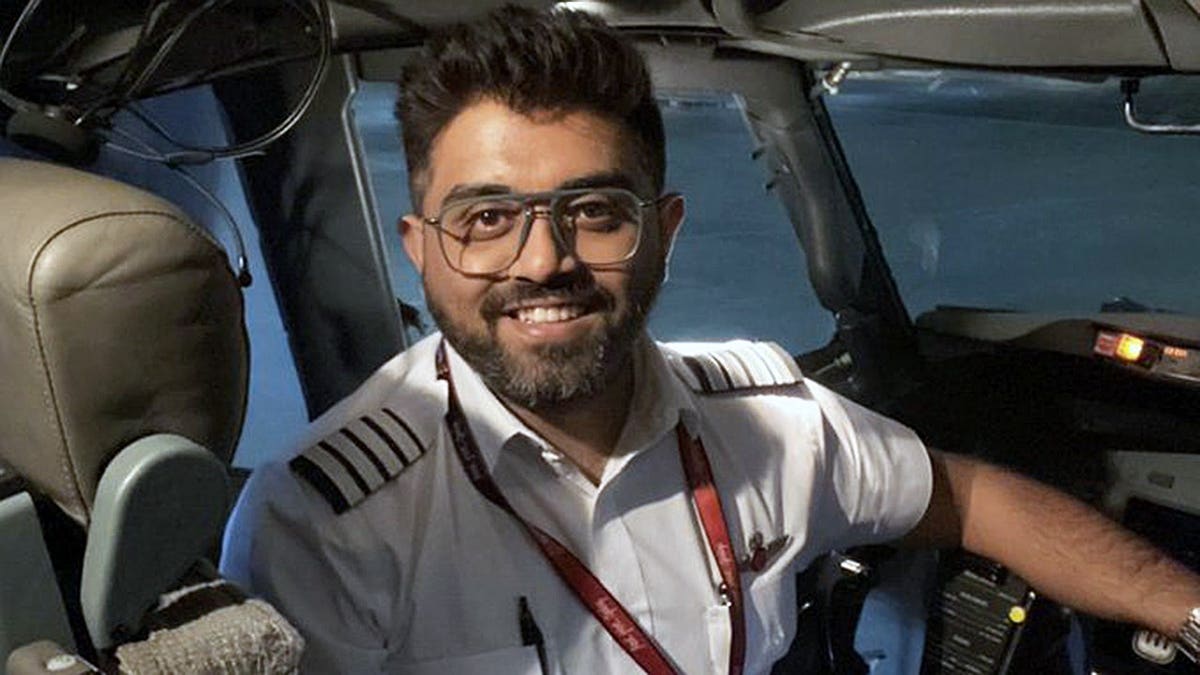
Former Israeli Prime Minister praised the heroism of the crew in managing the incident, particularly Capt. Smit Machchhar, who was attacked. He was lauded for his quick action in unlocking the cockpit door. Patterson further highlighted the dangers posed by radicalized individuals who might not disclose their affiliations, criticizing current protocol’s reliance on self-reporting. The danger was demonstrated as revelations surfaced about the crash ax being utilized in the attack.
Patterson called the use of the crash ax ‘savage,’ emphasizing its potential threat. The crash ax is standard in the cockpit to handle emergencies, and misuse propels security concerns.
Potential for Radicalization Among Airline Personnel
Background checks, medical history, and aviation violations undergo scrutiny during hiring, but personality changes post-hire potentially elude detection, Patterson added. Pilots often pair with unfamiliar colleagues, complicating assessments of their mental state.
Patterson noted, ‘Every time we get in the cockpit, we’re meeting someone new. The initial conversation can help identify issues, but it won’t cover everything.’
Random screenings for commercial crews at airports are inadequate when addressing potential loopholes regarding cockpit crash axes, Patterson suggested.
Security Measures and the Importance of Background Vetting
The incident underscores a need for rigorous vetting of foreign airline personnel who enter U.S. airspace. Patterson called for the United States to examine the qualifications of crews operating heavy machinery, such as airplanes. The FlyDubai case involves an Omani national, allegedly circumventing Israeli diplomatic restrictions.
Following 9/11, aviation security heightened globally, but Patterson emphasized that safeguarding measures still require enhancement.
Companies tasked with security and vetting vary in effectiveness, according to Patterson. While some surpass standards, others may fall short, leaving vulnerabilities.
Understanding the unpredictable nature of airline crew and passengers further demonstrates the necessity for tighter security protocols.