
Colt Gray, a teenager from Georgia, received a life sentence without parole for the 2024 Apalachee High School shooting. Superior Court Judge Nicholas Primm delivered the verdict in Barrow County after three days of emotional testimonies from survivors, victims’ families, and experts. Gray faced 55 charges, including four counts of malice murder, for killing teachers Richard Aspinwall and Cristina Irimie, and students Mason Schermerhorn and Christian Angulo on September 4, 2024. The attack also injured another teacher and eight students.
Legal Considerations and Judge’s Remarks
At the time of the crime, Gray was 14, making him ineligible for the death penalty under Georgia law. His sentencing options ranged from life with parole to life without parole. Judge Primm highlighted Gray’s understanding of his actions, mentioning his research on other shooters’ trials. Despite systemic failures by his family and society, Gray chose to idolize and emulate notorious figures. Primm argued Gray acted for notoriety, planning the shooting meticulously and acknowledging his intent to cause pain.
Impact on Families and Community
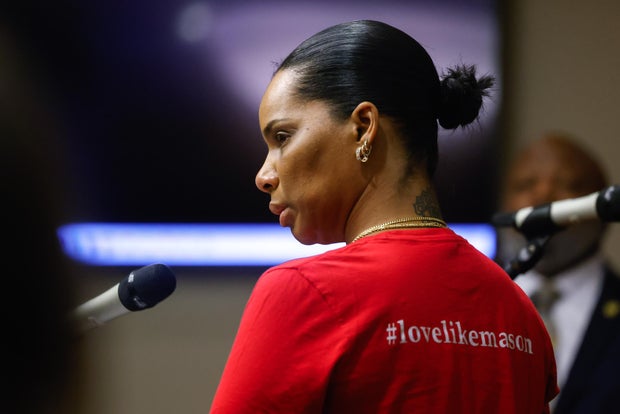
Victims’ families shared their ongoing trauma and loss during the sentencing. They remembered the four victims and described the enduring impact on their lives and the broader Barrow County community. Breanna Schermerhorn, Mason’s mother, reflected on his compassionate nature, recalling the devastating moment they learned of his death. His sisters continue to face anxiety and distress in public spaces.
Prosecution’s Case and Evidence
Prosecutors presented evidence showing Gray’s detailed planning and fascination with past mass shooters. Investigators found materials including maps and written plans, as well as online communications, indicating a long-term strategy for the attack. District Attorney Brad Smith emphasized Gray’s calculated approach, arguing he sought fame through his actions, even mirroring other shooters in post-event interviews.
Defense Arguments and Testimonies
The defense introduced testimony from Dr. Kevin Richards, a forensic psychologist, who documented Gray’s troubled upbringing and mental health struggles. Gray’s history included financial instability, family conflict, and untreated mental illness, manifesting in anxiety and depression. Despite these factors, Richards conceded Gray exaggerated symptoms and did not meet criteria for serious mental disorders.
Steven Baker of Georgia’s Department of Juvenile Justice noted Gray’s good behavior in custody and participation in rehabilitation programs. However, restrictions at the facility prevented exposure to violent images.
Family and DFCS Concerns
Georgia’s DFCS Commissioner Candice Broce testified about the agency’s intervention in Gray’s family, including abuse reports and concerns for the children’s welfare. She noted improvements in Gray’s behavior after reduced contact with his mother, who allegedly fostered his fixation on school shootings. Gray’s grandmother testified to the parents’ inadequacies, reinforcing the defense’s stance.
Plea Deal and Upcoming Sentencing
Gray’s guilty plea circumvented a jury trial but acknowledged the gravity of his acts. His father, Colin Gray, awaits sentencing after being found guilty of providing the weapon used in the shooting, amid warning signs of Colt’s mental health decline. The court is set to address his charges, including second-degree murder and child cruelty.