
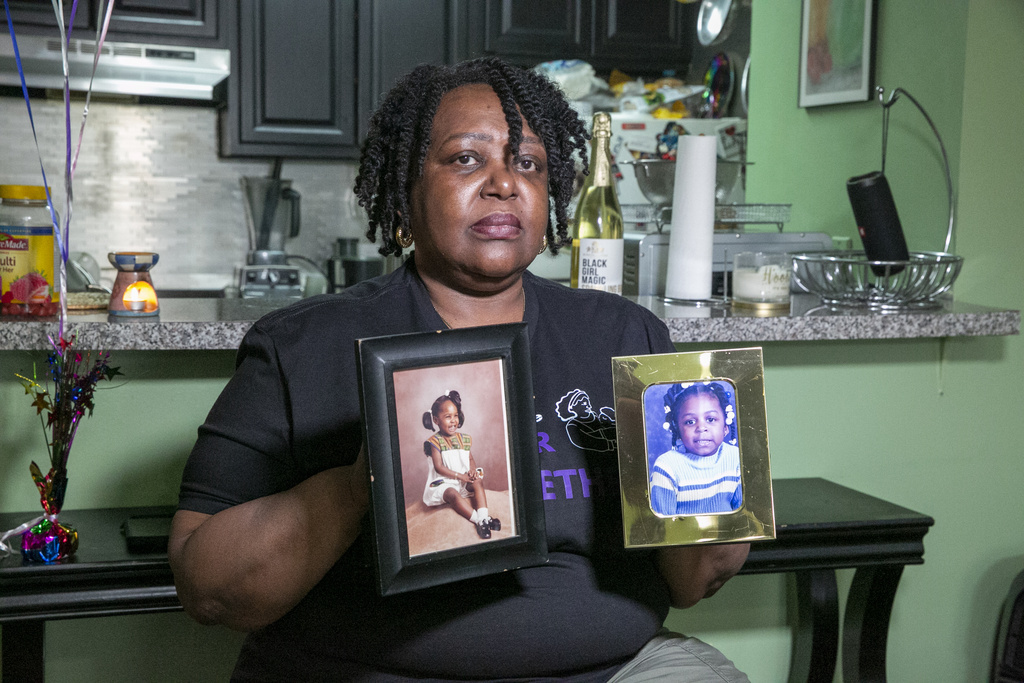
Joyce McMillan shares images of her children at her home in the Harlem area of New York City on May 15, 2023. Twenty-three years ago, the city’s child protective services took away her two daughters after they found an illicit substance in her system. This case highlights issues in federal child welfare policy, with outdated assumptions still guiding decisions about parental struggles.
Federal programs have developed over time, using rigid funding structures that resist change. There’s extensive data that questions these structures and their incentives. Annually, over two million American families undergo Child Protective Services investigations. Yet in 84% of these cases, there’s no proven abuse or neglect. Despite this, about 175,000 children enter foster care every year. Studies indicate the harm caused by such interventions and show no link between foster care entries and child fatalities.
Nate Bustamente experienced family separation throughout his life. He went into foster care as a child. As a parent, he and his wife also faced a child welfare case. He worked long hours to meet imposed requirements, fearing potential loss of his children. After a second removal, the state moved to terminate their parental rights. Despite following all rules, they had to defend their family rights in court. With the support of his attorney and a family-time supervisor, the court better understood their situation. The judge denied the termination request, and the case eventually closed. Bustamente describes this outcome as a relief, finally able to breathe without worrying about his family’s future.
United Family Advocates, a bipartisan group of professionals, has released a framework revealing how federal child welfare financing often makes family separation common, rather than a last resort. Policymakers are now assessing whether current funding effectively supports child safety and family stability. The existing funding structure is seen as an entitlement program that fosters the separation of families. Reform is crucial to allow states flexibility in investing in community-based supports, addressing essentials like housing, food, mental health, and substance use while safeguarding children.
It’s also important for families to access resources without entering the child welfare system. High-quality legal support should be readily available to ensure fair processes in decisions affecting families. Policymakers face significant debates on allocating federal resources. The focus should shift from responding to family crises to preventing them.
For Bustamente, community support aimed at his family’s needs could have changed his life. He questions why many families continue to face similar fears and lost time with children. This situation is not unavoidable. For years, policies have upheld a system centered on separation. Change is needed to build a system that supports families before a crisis forces separation.
Joanna Lack, Executive Director of United Family Advocates, highlights this urgent need for change.