
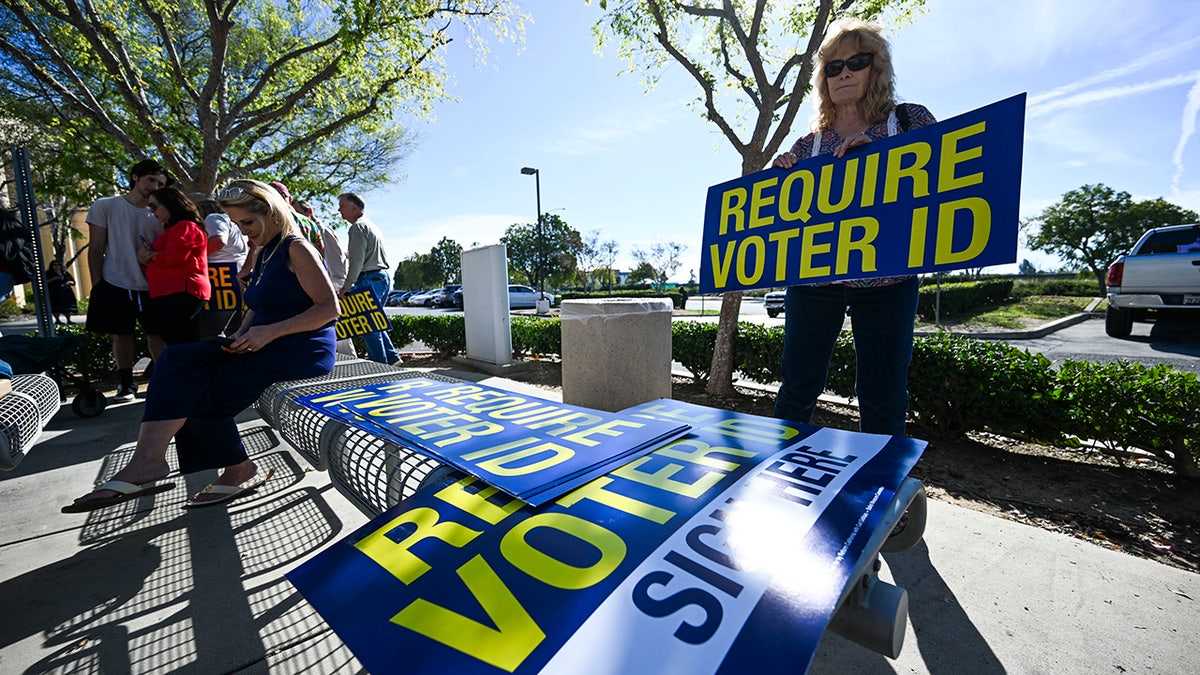
California’s Proposition 39, a proposed ballot measure addressing voter identification, has gained attention. It includes voter guidance featuring contentious language. Released online, it has sparked debate due to its politically charged content.
Proposition 39 is championed by Californians for Voter ID. This group gathered 1.3 million signatures, surpassing the required 875,000, to qualify the measure for the ballot. On November’s voting day, Californians will vote on this initiative. If passed, it mandates voters to present a government-issued ID for in-person or mail voting. The measure also requires election officials to verify U.S. citizenship.
The language opposing the measure in the California voters guide uses politically charged terms. “No on Prop. 39” aims to refute the initiative by stating it promotes Trump’s “voter suppression agenda.” The opposition argues that the measure could impede eligible voters, risk identity theft, and incur significant taxpayer costs.
Opponents listed include ACLU California Action, Common Cause, and the League of Women Voters of California. The voter guide’s summary notes potential financial costs ranging from tens of millions to low hundreds of millions annually if implemented. A section titled “What Your Vote Means” explains the implications of voting for or against the initiative.
Proponents of the measure, like the Transparency Foundation and Howard Jarvis Taxpayers Association, argue for bipartisan support. They claim it enhances trust in elections. They highlight a Pew Research study showing 83% of Americans support voter ID measures.
Some social media users criticize the discourse on the official guide. Public figures like Daniel Keller lament the level of debate. Others express skepticism about the state’s democratic processes.
If Proposition 39 passes, in-person voters must present government-issued ID. For mail-in voting, voters must supply a matching ID number’s last four digits. Election officials would use government data to verify U.S. citizenship, with annual verification reports required. The California State Auditor would perform regular compliance audits.
With early voting underway and Election Day looming, the debate around Proposition 39 continues. The measure’s outcome could shape future voter ID regulations in California.