
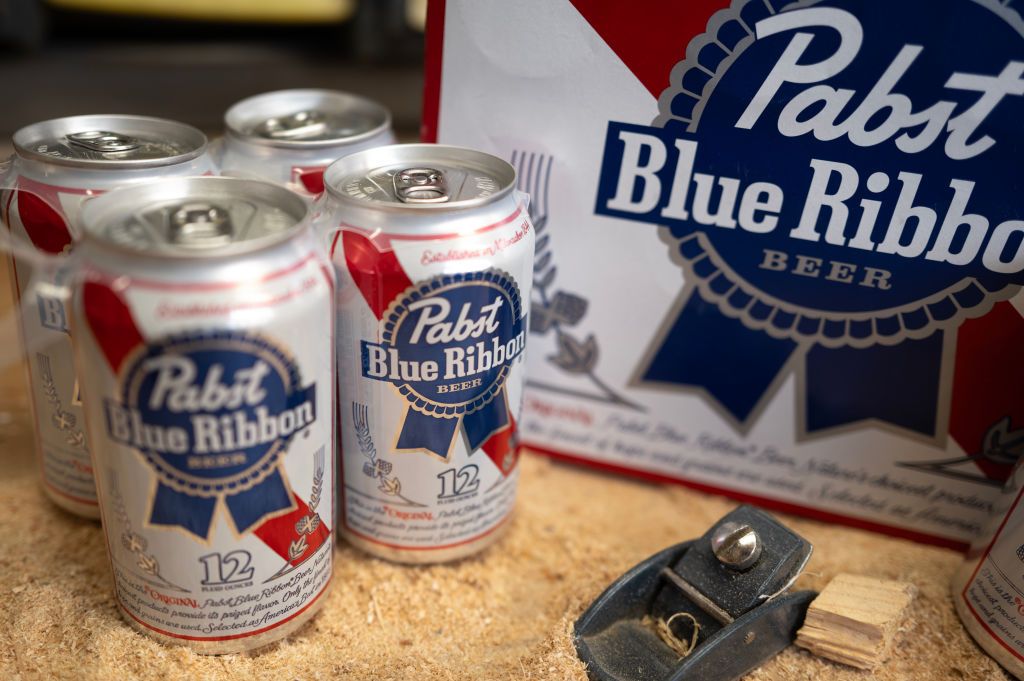
Earlier this month, a truck carrying 40,000 pounds of Pabst Blue Ribbon from a California distribution center disappeared, amplifying concerns about increasing sophisticated cargo fraud in the region. Police suspect this theft is part of a coordinated effort targeting multiple shipments simultaneously. On August 17, Montclair police reported that a fake subcontractor used forged documents to collect $25,000 worth of Anheuser‑Busch/Pabst Blue Ribbon products, while another shipment valued at $45,000 was swiped on the same day.
Investigators noted commonalities in these incidents and are probing whether the thefts were the work of a single organized crime ring. Newsweek has sought comments from Pabst Blue Ribbon and the Montclair Police Department.
Deadline from Pabst Blue Ribbon
In an unusual move, Pabst issued a public ultimatum, giving the thieves an “18 days and 44 minutes” deadline to return the truck without further inquiry. Although the company didn’t clarify the reasoning behind this specific timeframe, it likely references the brand’s founding year, 1844. Pabst’s announcement stressed that the action was genuine and not a publicity stunt. The company stated the beer is “getting warmer” as the trail goes cold and offered a reward for information contributing to the recovery of the stolen beer.
Cargo Theft Mechanism
Police revealed the theft utilized fraudulent paperwork, a common tactic in cargo fraud schemes that target food and beverage shipments. Investigators discovered inconsistencies in the trucking company data, driver identification, and vehicles used. During the second quarter of 2026, cargo theft accounted for 34% of national occurrences in California, making it the leading state in freight crime.
The Overhaul report indicated a 5% rise in national cargo theft from the previous quarter, with Southern California being a key risk zone. While electronics remain the primary target, food, beverages, clothing, and various consumer goods are also heavily affected. Thieves typically target distribution centers, warehouses, truck stops, highways, rest areas, and rail corridors, exploiting the state’s vast logistical infrastructure.
Strategies Used by Criminal Networks
The California Highway Patrol identifies several methods employed by organized crime:
- Strategic Theft and Fraud: Criminals utilize identity theft, false brokering credentials, and fake subcontractor documents to secure rides, similar to the Montclair incident.
- Terminal Robberies: Crews invade truck yards or distribution sites, occasionally holding staff hostage for loaded trailers.
- Hijackings: Syndicates follow targeted commercial rigs with inside information, forcing drivers to stop before commandeering their vehicle.
These operations often span across counties or states, challenging recovery once the stolen goods enter the black market.
The Fate of Stolen Beer
No leads have been announced by police, leaving uncertainty around whether the shipment is intact or dispersed. Recovering stolen consumables is difficult once they hit informal resale networks. Organized theft rings frequently break down shipments, selling pallets to small retailers or transferring products across state borders.
Examining the Scale of the Heist
Local authorities described the incident as one of the largest beer thefts recorded, with over 50,000 cans missing. It mirrors other high-value beverage thefts in the past year, such as a $500,000 heist of Noble Oak Bourbon in Philadelphia and a $325,000 snow-crab theft linked to a federal cargo-fraud scheme.
Ongoing Investigation
Police research both theft episodes and encourage any individuals with details about the drivers, vehicles, or involved delivery companies to contact Montclair Police at 909-621-4771.