
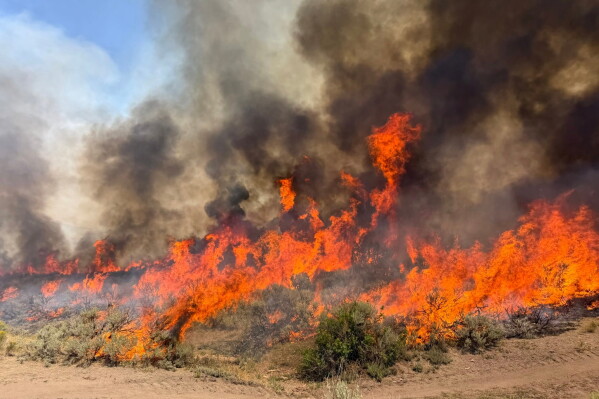
In British Columbia, a state of emergency was declared as a fast-moving wildfire compelled over 20,000 people to evacuate from areas along Okanagan Lake in western Canada. Premier David Eby stated more than 100 wildfires were active across the province, with nearly half of them uncontrolled, exacerbated by hot, windy weather and extended drought conditions.
The entire community of Summerland, with a population of approximately 12,000, and around 8,000 people from nearby Peachland were ordered to evacuate. Authorities had yet to determine the number of homes destroyed.
“I know many families are facing an unimaginable day today,” Eby said. “People have lost their homes. And many people have been displaced. Others are waiting for news about loved ones.”
Firefighting helicopters were diverted to rescue those unable to leave by road. Cliff Chapman, director of wildfire operations for the BC Wildfire Service, noted the vital cooperation among agencies in preventing further disaster.
The Bald Range wildfire was reported on Friday evening, expanding to about 50 square kilometers (19 square miles) within hours. It swiftly overwhelmed Faulder and reached Summerland. Chapman described the fire conditions as “explosive,” warning other communities might face similar threats.
British Columbia Emergency Management Minister Kelly Greene highlighted that the state of emergency grants additional powers, such as restricting travel and securing accommodations for those displaced.
Emergency official Erick Thompson, from the Regional District of Okanagan-Similkameen, called it one of the region’s swiftest wildfires. He eventually evacuated his own family.
Videos on social media showed homes burning as people fled amid flames. Homeowner Kerry Gold and her husband, Mike Elsinga, evacuated after witnessing the fire’s rapid spread. “It’s scary. It’s moving fast,” Gold said. They prepared to assist a disabled friend in escaping, balancing their desire to protect their home with safety concerns.
Canada has faced increasingly destructive fire seasons, leading to massive evacuations and widespread smoke affecting both Canada and the United States.