
New Diplomatic Developments
Britain has shifted its stance significantly in its approach to Israeli settlements, opting to lead instead of follow. Previously aligning with France in pressuring Israel, Britain now advances on its own front, spearheading a move to halt trade with Jewish settlements in the West Bank. This bold step risks drawing ire from the United States.
Britain’s Bold Move
Last September, Britain signaled its decision to recognize a Palestinian state, following France’s earlier indication of taking this significant step. However, this week saw Britain taking decisive actions independently. The government announced a cessation of trade with West Bank settlements, with accusations against some settlers of engaging in “ethnic cleansing” against Palestinians.
Domestic and International Implications
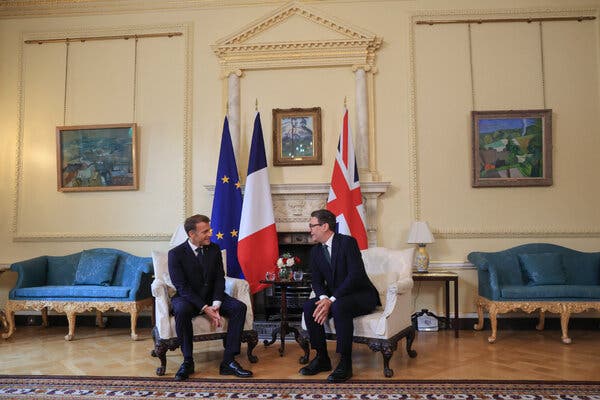
The timing and nature of these actions partly reflect internal political dynamics. French President Emmanuel Macron, nearing the end of his term, sought to solidify his legacy, while the new British Prime Minister Andy Burnham aims to appease Labour Party members concerned about Gaza’s plight. The broader impact is a coordinated European effort imposing pressure on Israel, introducing economic repercussions that could transcend symbolism.
“The idea of boycotting goods from settlements or even treating them differently in terms of customs and duties has always been talked about, but almost nothing has been done to date,” said Daniel C. Kurtzer, a former U.S. ambassador to Israel.
The shift in dynamics places Israel at odds with two of Europe’s military powers, heralding potentially significant economic consequences for settlements and any Israeli government support for them.
Potential Economic Impact
The labeling of goods from settlements distinctly from those “Made in Israel” has not gained momentum, despite discussions. According to Kurtzer, if materialized, these measures could severely impact the settlements economically, posing challenges to supportive Israeli regimes.