
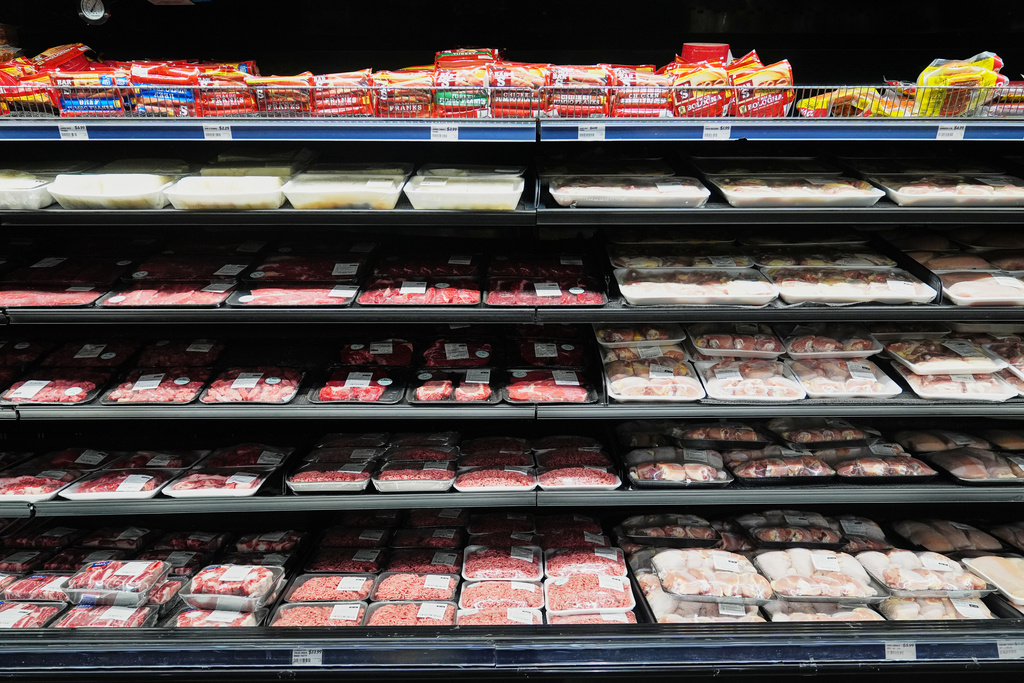
Meat and poultry, eligible for purchase through the USDA Supplemental Nutrition Assistance Program (SNAP), were on display at a grocery store in Baltimore on Thursday, October 30, 2025. While some may disagree, SNAP remains a crucial system supporting millions of Americans. Establishing reasonable purchase standards is vital to ensure the program achieves its goals.
Federal measures should prevent the use of SNAP funds on items like junk food, candy, and sugary drinks. Critics suggest these recipients should share the purchasing freedoms of any customer, but SNAP targets nutrition assistance to better food security and health outcomes. Setting clear buying boundaries encourages healthier habits and supports the program’s mandate.
Health Challenges in South Texas
The obesity and diabetes crises in South Texas continue to affect individuals and communities, straining health care services. Serious steps must address these public health issues. Although not every SNAP recipient faces chronic illnesses, the incidence is notable and shouldn’t be ignored.
Extensive research links frequent consumption of processed and sugary items to metabolic diseases like obesity and diabetes. Using taxpayer dollars to buy items devoid of nutritional value undermines efforts to promote wellness. Many low-income households struggle to buy sufficient fruits, vegetables, lean proteins, and whole grains.
Texas’s SNAP Efforts
In April 2026, Texas submitted a SNAP Food Restriction Waiver aiming to limit sugary beverage and candy purchases with SNAP benefits. This wasn’t a move to penalize users but to foster healthier choices and promote long-term well-being. Despite this effort, a federal court ruled in June that states couldn’t restrict what SNAP covers.
The Food Research and Action Center stated, “Congress specifically authorized incentive-based strategies to encourage healthier eating. It did not authorize USDA to redefine food under SNAP or remove entire categories of eligible foods.”
Though the court’s rationale may seem logical, the known health risks from excessive consumption of unhealthy foods necessitate treating nutritional foods differently within SNAP.
A Personal Insight
For Moises Arjona, Jr., CEO of Unidos Contra La Diabetes, the issue is personal. Growing up in the early 1980s as a SNAP beneficiary, his family spent benefits on chips, sodas, and sugary snacks, missing the nutritional awareness available today. While they bought essentials like meat and beans, fruits and vegetables were rare, demonstrating how such programs inadvertently affect health outcomes.
Prioritizing Nutrition Education
Nutritional education remains essential, especially after SNAP-Ed programs were cut per the One Big Beautiful Bill Act of 2025. The elimination comes at a time when obesity and diabetes rates are climbing, particularly in the Rio Grande Valley.
A serious approach to building a healthier future must consider both food access and nutritional education. SNAP, a vital lifeline, gains more value when supporting healthy food purchases and promoting wellness. Higher nutrition standards aren’t restrictive; they’re vital for easing healthcare burdens and supporting long-term health.
Moises Arjona, Jr., MS, supports policies promoting healthier food choices. He remains dedicated to defending SNAP and enhancing its impact through nutritious food purchases.