
Farewell Celebration for Anne Montgomery House
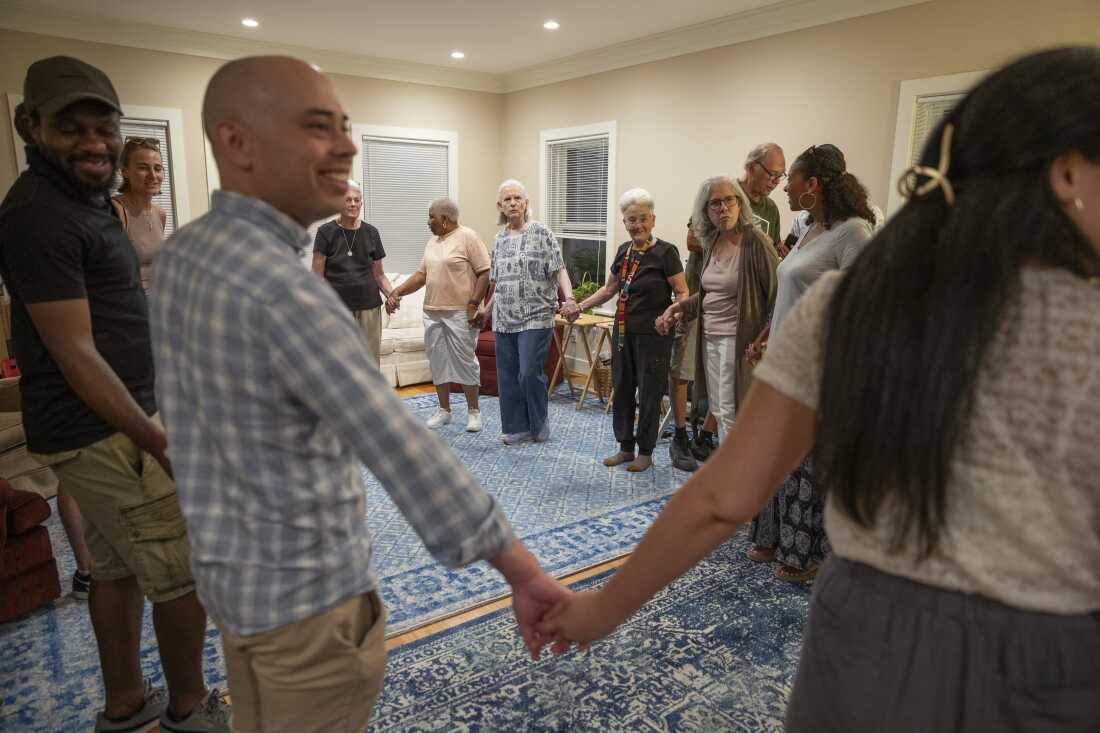
On July 31, 2026, former residents, current occupants, and friends of Anne Montgomery House gathered in Washington, D.C. to perform a traditional Greek dance. This community house, managed by the Society of the Sacred Heart, is closing after ten years of operation.
Sister Diane Roche reflects on her time at Anne Montgomery House. She smiles as she recalls the day she opened the home. Located in Northeast Washington, D.C., the house provided young women with affordable living spaces while they studied, completed fellowships, or started careers in this expensive city.
By nightfall, the home will shut its doors for the final time. Sister Roche, aged 76, remarked, “Running a house like this requires a lot of energy. I just knew it was time to stop.” She will miss the daily rituals shared with the younger residents. “They keep me young,” she said. “You become people together.”
The Closing of a Unique Community
Anne Montgomery House is one of several homes across the U.S. run by the Society of the Sacred Heart. Sister Roche has worked in Haiti, the Democratic Republic of Congo, and helped set up similar communities in St. Louis and New Orleans. Now, she assists Catholic Charities in resettling refugees in the U.S.
Anne Montgomery House represented the latest expression of a mission that guided Roche through her adult life. “Creating communities has always been my calling,” Roche noted. The house is part of a wider housing trend where early-career professionals in expensive cities prefer living in Catholic-run homes due to their below-market rent.
Many residents, like Abigail Bulman, found more than affordable housing at Anne Montgomery. Bulman experienced the transformative power of shared homemade dinners and daily routines, turning strangers into a close-knit family. Having arrived while on a fellowship with an international public relations firm, she attributes her decision to live there mainly to affordability. She wasn’t expecting to build lasting friendships.
Abigail Bulman described her initial expectations as limited to using the house for chores and prayer. “I had no idea they’d become lifelong friends,” she said.
Creating Affordable Living Spaces
Sister Roche aimed to address a practical problem. The Sacred Heart order owned the building, enabling it to offer rooms below market rate. Residents paid $500 monthly for shared rooms and $700 for private ones, allowing young women the chance to thrive in an otherwise financially prohibitive city.
“Supporting yourself on a Ph.D. stipend of around $700 a month in Washington — even a room rental is more than $1,000 monthly,” Roche explained. She cherished knowing the house could offer women a conducive environment to study and build their careers. But Roche sought to provide more than cheap rent, assembling women from varied ages, faiths, and backgrounds.
Named after Sister Anne Montgomery, a Sacred Heart member and peace activist, the house became a haven for different individuals. It facilitated shared meals, cooking responsibilities, service, and brief morning reflections. This fostered a vibrant community where the sisters bonded with residents.
Living Together as a Community
Sister Roche’s experience with young women brought her much enrichment. “They keep me young,” she affirmed. Living alongside decades-younger women provided companionship, laughter, and fresh perspectives. The sisters often participated in the residents’ personal lives, offering guidance and shared moments.
Describing Anne Montgomery House as “community light,” Roche ensured the residents paid one inclusive fee covering meals and household expenses, eliminating financial strain.
For Bulman, arriving post-college for her fellowship in a costly city like Washington meant seeking affordable housing. Beyond financial relief, the community component was significant for Bulman.
Mary Gardner, another resident, joined Anne Montgomery House in 2024 during a summer internship on Capitol Hill. It offered the affordable housing she needed while pursuing her senior year at Catholic University. “I needed a safe haven,” she said.
Gardner was left emotionally drained by Capitol Hill’s politics. Sister Claire Pratt became a steady source of comfort for her, offering patient listening rather than lectures.
Challenges Facing a Disappearing Housing Model
Gardner’s experience highlights the challenges for many young adults in the U.S. Escalating rents make it difficult for students and early-career professionals in major cities. The median rent for one-bedroom apartments in New York City, San Francisco, and Washington, D.C. remains daunting.
Ingrid Gould Ellen of NYU explains how young adults, lacking savings for security deposits or high rents, face being priced out.
Intentional living communities like Anne Montgomery House aren’t a broad fix for the housing crisis but provide stability, mentorship, and community along with affordable living. Historically, boarding houses and rooming houses offered similar accommodations.
Unfortunately, a drastic reduction in available single-room occupancy units makes such options scarce. Ellen warns if cities don’t diversify housing stocks, they risk attracting fewer workers and potentially threatening national economic growth.
The Final Night at Anne Montgomery House
At sunset, Anne Montgomery House hosts a farewell celebration with former residents and friends. The kitchen buzzes with activity as volunteers prepare Creole dishes and barbecue. Supportive embraces and vibrant conversations fill the rooms.
A gathering forms around an acoustic guitarist, singing Amazing Grace and This Little Light of Mine. Later, Bulman joins Sister Roche in leading a traditional Greek circle dance, filling the house with laughter.
Funmilayo Erinfolami packs her belongings as she prepares to leave the house. Arriving from Nigeria to study space physics, she walked into Anne Montgomery and found her family.
For Sister Roche, moving from a bustling home to a quiet apartment offers mixed emotions. While she welcomes the end of shopping for eight, she will miss community moments like Friday Netflix nights.
Still committed to her work, she plans to assist refugees and might serve in Mexico or along the border in the future. For her, community defines home, and she knows she’ll now need to build such a community elsewhere.