
The preseason Coaches Poll signals the approach of college football season. Discussions this offseason focus on the rivalry between the SEC and Big Ten Conferences, especially after the Indiana Hoosiers’ victory in the National Championship, ending with a perfect 16-0 record. Texas head coach Steve Sarkisian previously remarked on the rarity of undefeated teams in the current NIL era. However, 2026 brings new opportunities and challenges.
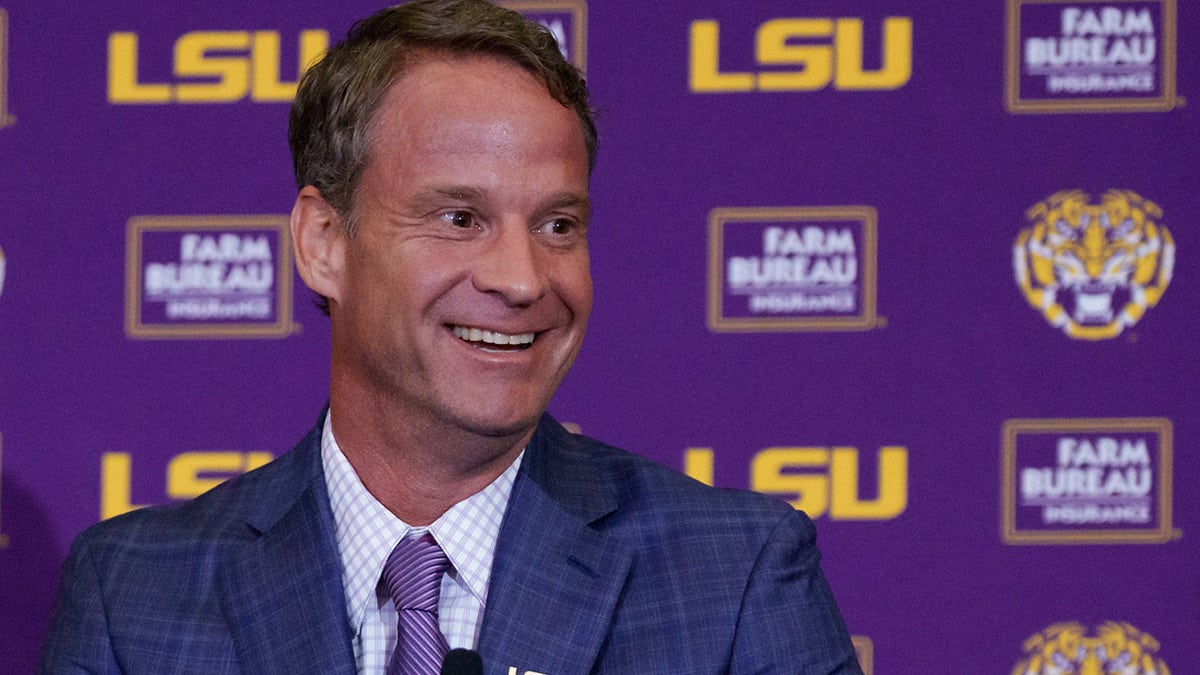
The 2026 season presents difficulties in assessing team strength due to the impact of the transfer portal and NIL agreements. Coaching changes at top programs add another layer of complexity. LSU, for instance, appointed Lane Kiffin as their new head coach, moving him from Ole Miss. The Florida Gators hired Jon Sumrall, while Pete Golding took over at Ole Miss. Auburn acquired Alex Golesh from USF. Penn State replaced James Franklin with Matt Campbell, and Kyle Whittingham joined Michigan, succeeding Sherrone Moore. Morgan Scalley is now leading Utah, with Bob Chesney revitalizing UCLA.
How effective were the Coaches Poll’s evaluations with all these transitions?
The poll performs reasonably well when compared to analytics-based ranking systems like SP+. The SP+ system, engineered by Bill Connelly, uses metrics like efficiency on offense, defense, and special teams to gauge team quality. It often aligns closely with Coaches Poll rankings based on past performances, returning players, and recruitment data.
Top teams like Ohio State and Oregon dominate both the Coaches Poll and SP+ rankings, while Georgia follows closely. The rankings indicate a solid reflection of expected strong teams for 2026. However, discrepancies exist in the middle rankings, revealing biases in human judgment.
For example, Oklahoma and Ole Miss, both successful in 2025 playoffs, appear higher in the Coaches Poll than in SP+. Their SEC affiliation may inflate their rankings. In contrast, teams like LSU and Tennessee appear undervalued in the Coaches Poll despite strong SP+ projections. LSU ranks 13th in the poll, compared to 10th in SP+, suggesting potential successes due to its impressive transfer class.
Similarly, the Texas Tech Red Raiders may have been underestimated. Their strategic use of NIL and the transfer portal revitalized their program, landing them seventh in SP+. Yet, in the Coaches Poll, they hold the 12th spot.
One notable discrepancy involves Houston, ranked 24th in the poll but only 36th in SP+. Their Week 3 game against Texas Tech highlights the variance in rankings.
Despite some ranking inaccuracies, the Coaches Poll reasonably estimates team potential, placing most programs within a few slots of advanced metrics. With the unpredictability inherent in college football, teams ranked mid-tier may still achieve remarkable seasons, reminiscent of Indiana’s standout performance last year.
Ian Miller writes for OutKick.