
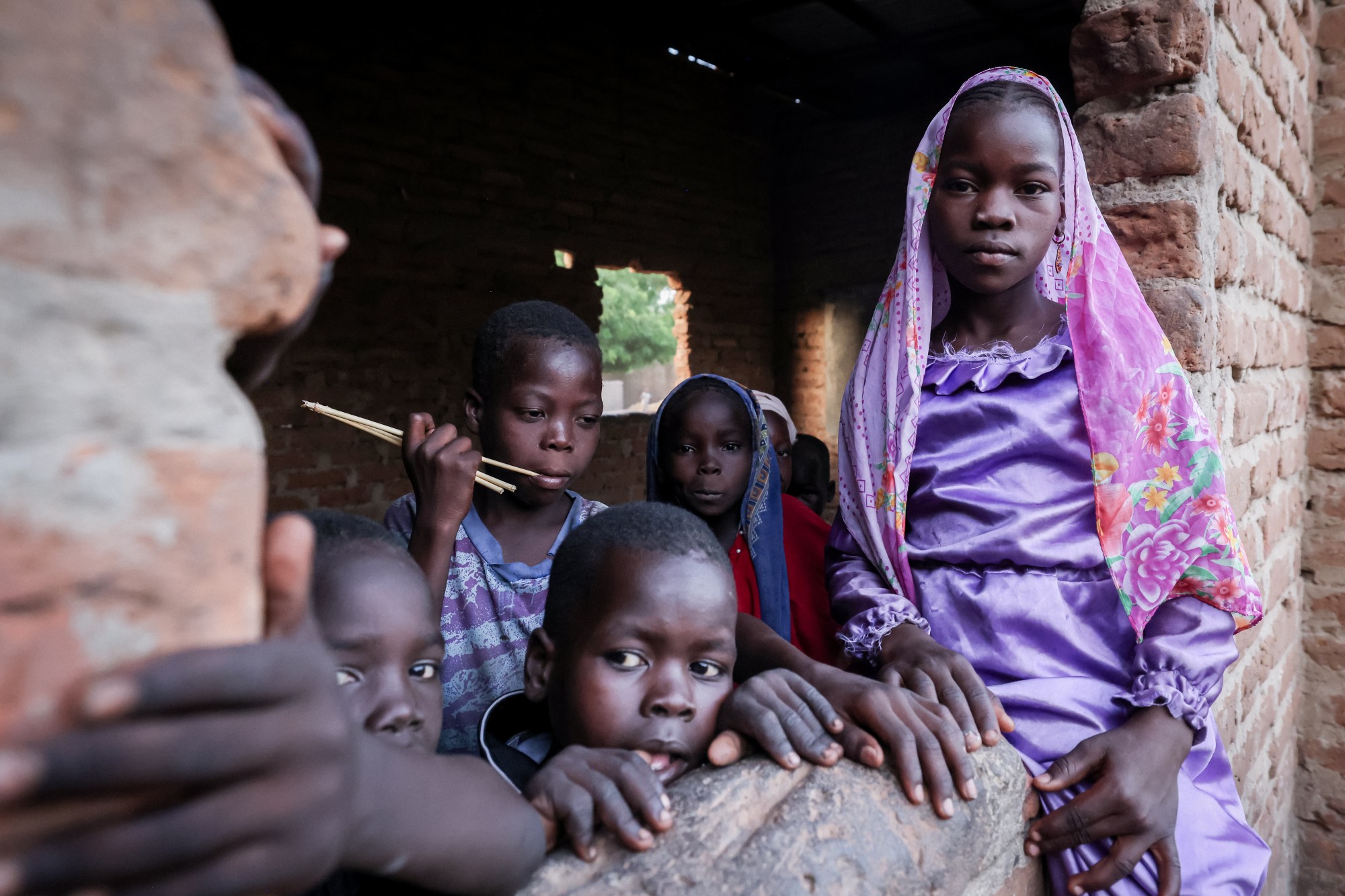
In Chad, particularly N’Djamena, economic challenges and droughts significantly impact the population. Many rely on livestock farming and agriculture for survival. Despite these harsh conditions, Chad nurtures a rich local culture. Traditional lifestyles remain prevalent, especially in rural areas. Children, who constitute a major demographic, grow up amid resource constraints, benefiting from community solidarity.
A food security crisis looms over East Africa, threatening children the most. In Somalia, hunger is severe. Close to 1.9 million children face acute malnutrition. Droughts, conflicts, displacement, and reduced humanitarian aid push families to their limits. Famine risk rises in parts of Somalia, Sudan, South Sudan, Yemen, and Central America’s dry corridor, influenced by El Niño.
The effects of prolonged hunger in children are severe. In clinics treating malnourished children, silence prevails as they lack the strength even to cry. Chronic hunger elevates risks of disease, death, and hampers growth. For young children, malnutrition can quickly turn fatal, yet it’s preventable.
Supplying affordable, locally-sourced foods can curb malnutrition’s onset. Ready-to-Use Therapeutic Food (RUTF) offers a lifeline for those already suffering. However, many children relapse into malnutrition, indicating a need for a comprehensive food security approach focusing on prevention.
Data plays a crucial role in intervention. The Famine Early Warning Systems Network monitors food insecurity in vulnerable regions, allowing timely interventions before crises escalate. The U.S. government resuming analyses for Somalia, Afghanistan, and Yemen is an encouraging move, but these insights require strategic application.
The Global Food Security Act mandates the U.S. government to issue a Global Food Security Strategy every four years. With the last one released in 2022, a new strategy is overdue amidst increasing hunger threats. This strategy should prioritize early intervention and child protection.
Organizations like Save the Children have decades of experience in managing hunger crises. Past delays, such as withholding responses in Somalia’s earlier crises, resulted in tragic outcomes, with thousands of children perishing even before famine declarations. Such lessons underscore the need for proactive measures.
The forthcoming Global Food Security Strategy needs comprehensive insights on worsening hunger, vulnerable populations, and effective interventions. Early warnings, financing, and actions must be integrated, bolstering tools like the Famine Early Warning Systems Network with advanced tech and data.
The pivotal question remains: what actions are necessary to shift investments from responding to famines to preventing them? Investing in prevention yields economic savings and safeguards children’s health and development. Immediate action is crucial, as the hunger crisis is imminent. A strategic response can prevent further tragedies.
Janti Soeripto is the President and CEO of Save the Children U.S.