
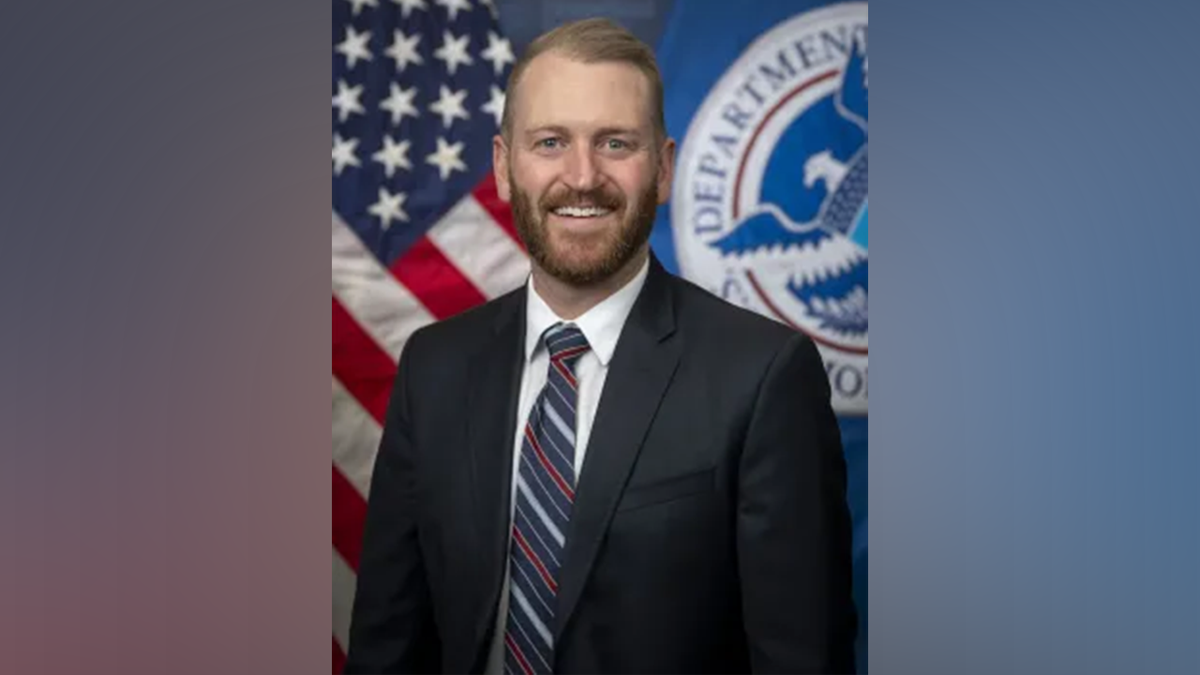
The Supreme Court recently allowed the Trump administration to continue its third-country deportation policy. This came as officials from the Department of Homeland Security (DHS) defended an immigration authority they claim previous presidents underutilized. DHS has been increasingly applying ‘third-country’ removals for removable aliens who cannot return to their home countries or when those countries refuse to accept them. DHS General Counsel James Percival describes this as part of a broader strategy to revive existing immigration authorities.
Percival explained the challenge of securing agreement from another country to accept deportees. ‘Imagine going to a country and asking them to take in a foreign national who committed a serious crime. It’s a difficult diplomatic task,’ Percival stated. He highlighted that countries like Norway are unlikely to accept such deportees.
James Percival, DHS General Counsel
The Supreme Court’s decision temporarily prevents a lower-court judgment from restricting DHS’s policy. This allows the administration to continue its guidance while the Court examines the case’s merits. Arguments are set for December, with focus on whether existing procedures align with federal immigration law, due process, and torture safeguards.
The case questions DHS’s procedures rather than its authority to conduct third-country removals. ‘The statute clearly states we can do this,’ Percival said. He emphasized that many existing tools in immigration law have remained unused.
The third-country provision is part of the Illegal Immigration Reform and Immigrant Responsibility Act of 1996, signed by President Bill Clinton. Percival commented, ‘Many in government treat their authority delicately, fearing its removal if used. It’s similar to owning fine china that never gets used out of fear of breaking.’
This strategy has met criticism from human rights advocates. They cite reports of abuse against deportees sent to countries like Equatorial Guinea. Agreements involve financial compensation, as seen with the $7.5 million agreement with Equatorial Guinea.
Percival defended this approach, highlighting cases where home countries refuse deportees, such as Burmese national Kyaw Mya. Percival’s ‘Daily Deportee’ series underscores these challenges, arguing the public should understand the stakes.
Percival also pointed to a 2001 Supreme Court ruling that six months of post-removal detention is reasonable. After this period, continued detention can be contested if deportation is unlikely.
The DHS aims to apply tools from the Immigration Reform Act. Percival reminded illegal immigrants of an option provided by Homeland Security Secretary Markwayne Mullin: ‘$3,000 and a flight home.’ This highlights a strategy aimed at encouraging voluntary return rather than forced deportation.
Born and raised in Allentown, Pennsylvania, Percival has contributed to Fox News in both its New York and Washington bureaus since 2013.