
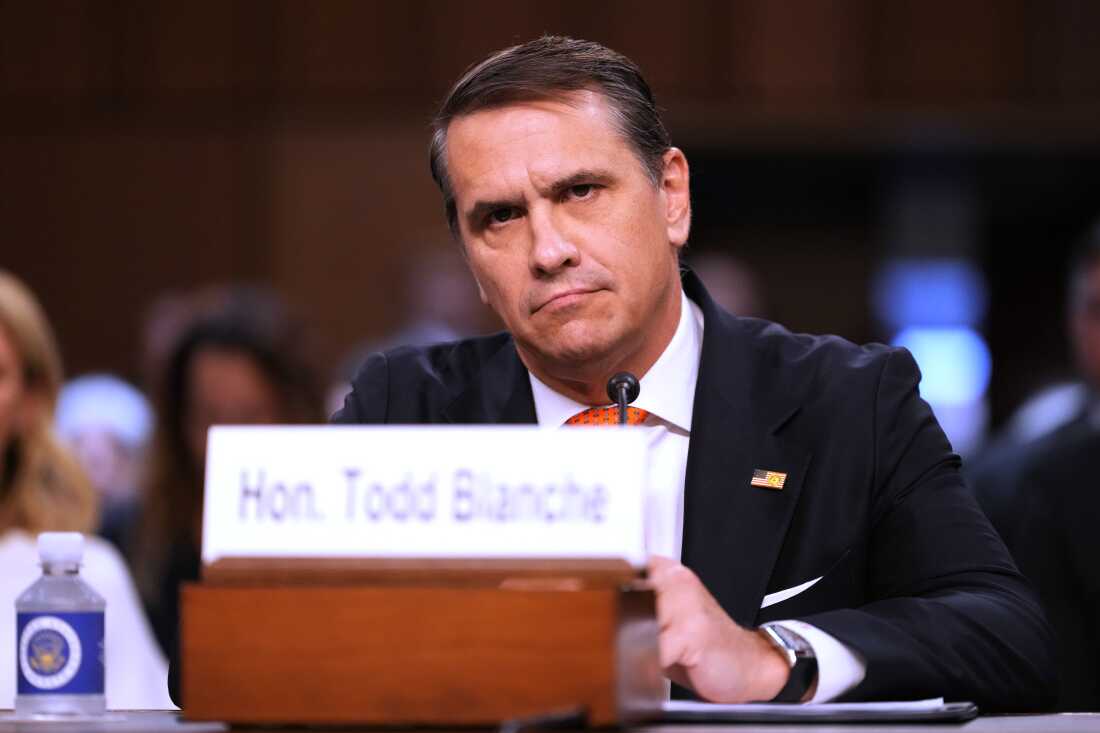
Acting Attorney General Todd Blanche appeared before the Senate Judiciary Committee, signaling a significant policy shift by officially terminating the proposed “anti-weaponization fund”. This fund, valued at $1.8 billion, was originally designed to compensate President Donald Trump’s political allies.
The termination comes after protracted negotiations with two Republican senators, John Cornyn of Texas and Thom Tillis of North Carolina, who had been delaying Blanche’s confirmation. A spokeswoman for Cornyn confirmed the agreement reached ahead of a crucial confirmation vote in the Judiciary Committee. Tillis did not provide immediate comment.
Earlier, at a June hearing, Blanche declared that advancing the fund was unlikely, citing bipartisan concerns over potential payouts to individuals involved in the January 6, 2021 Capitol attack. Both Cornyn and Tillis demanded written assurance of this cessation, particularly while Trump continued to favor the initiative.
“My team and I have met with committee members and Senators over the past several weeks and addressed any concerns or outstanding questions,” Blanche stated.
Department of Justice Affirms Fund Termination
The Justice Department, in a clarifying statement, reiterated that the fund would not advance. It highlighted that no individuals were appointed, no funds were transferred, and no claims were processed or paid. The order Blanche released on Sunday evening also limited a related legal settlement provision granting broad immunity from tax audits to Trump and his family, stating it applied only retroactively.
Both Cornyn and Tillis expressed hesitancy to endorse Blanche without further assurances from the administration. Their actions reflected broader Republican concerns about the fund, as Blanche’s nomination has been postponed multiple times.
Political Dynamics and Repercussions
The fund’s termination appeared to mollify some GOP members, yet Trump’s persistent endorsement of the idea complicated discussions. Trump had signaled intent to pursue the fund post-2021, potentially reopening the nomination process should Cornyn and Tillis not relent.
Following a delayed vote, Trump described potential fund beneficiaries—charged in the January 6th prosecutions—as victims of unwarranted persecution.
In a parallel legal development, Trump announced plans to appeal a judicial ruling critical of his IRS lawsuit settlement, which the judge termed self-serving. This decision implicates Blanche, who previously represented Trump as his defense attorney. Blanche contested the judge’s interpretation of his involvement.
In court documents, Justice Department attorneys contended that the fund’s advancement was already halted, dismissing judicial demands for sworn affidavits to that effect as superfluous.