
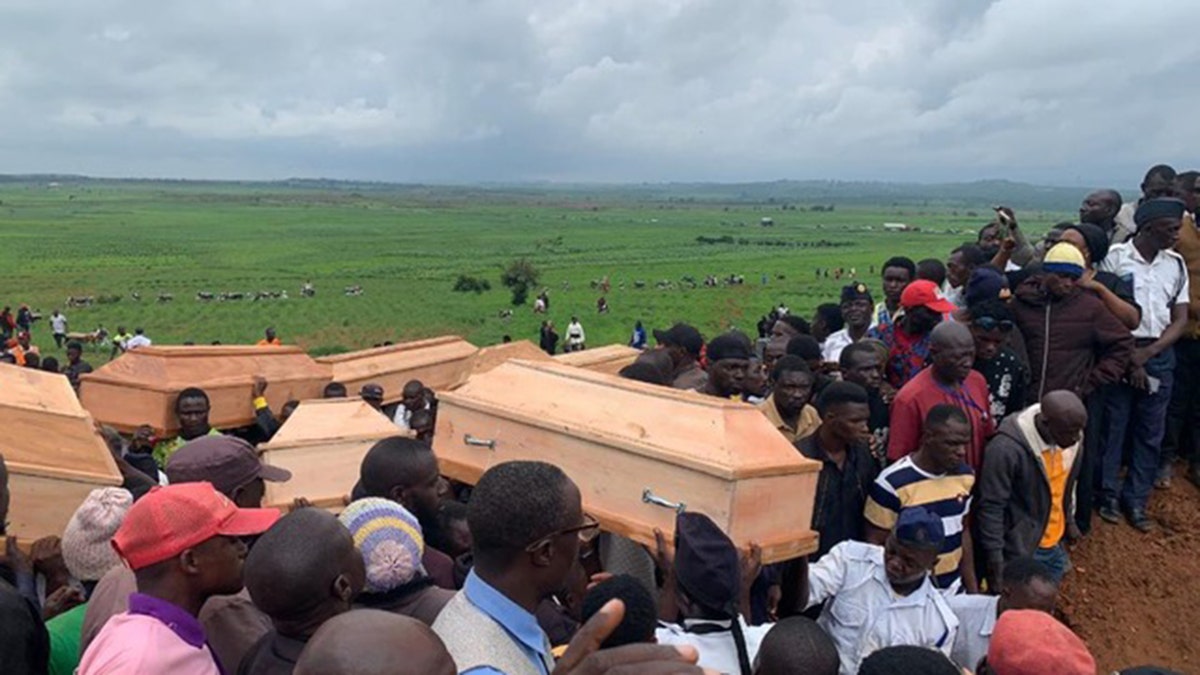
JOHANNESBURG — An estimated 30,000 Fulani militants are reportedly active in Nigeria, contributing to rising insecurity and violations of religious freedom, according to a recent report. The U.S. Commission on International Religious Freedom (USCIRF) released a report indicating that violence attributed to Fulani militants has resulted in the highest number of deaths among religious communities in Nigeria over the past year, surpassing attacks by insurgent groups and criminal gangs.
The report highlights that Fulani militants have specifically targeted Christian farming communities in the Middle Belt and have expanded their attacks to the South. These attacks include burning homes and churches as well as acts of kidnapping, rape, and murder. Such actions have not only led to significant loss of life but also created a pervasive atmosphere of fear and instability.
According to a former State Department counterterrorism expert, strikes similar to those carried out against Islamist groups like Boko Haram and the Islamic State in the North of Nigeria may not be effective against Fulani militants in the central regions. Sterling Tilley, who has experience in Nigeria, asserts that a military approach to the farmer-herder conflict might exacerbate instability. He emphasizes that solutions require political resolve within Nigeria to address the violence.
Young people in Benue State have protested the killings following an attack by Fulani militants on Christian-majority villages, which resulted in numerous fatalities and displaced residents.
In response to recent military actions ordered by President Donald Trump in Nigeria, Secretary of War Pete Hegseth mentioned a directive to protect Nigerian Christians from targeted attacks by groups such as ISIS. Christians constitute about 48% of Nigeria’s population.
The USCIRF report also notes that Fulani militants often conduct operations during Christian holidays to intensify their psychological impact. Despite this focus on Christian communities, the report states that Fulani militants have not spared Muslim communities entirely, attacking livestock and launching violent assaults against non-Fulani Muslims.
Henrietta Blyth, CEO of Open Doors UK & Ireland, expressed concern over the ongoing violence, noting that attacks by Fulani militants have resulted in significant suffering for families, highlighting the need for protection and support for those affected. She adds that the underlying motivations are complex and not solely religious.
The report criticizes governmental responses to Fulani militant violence, describing them as inadequate or, at worst, complicit. Sterling Tilley suggests that upcoming elections in Nigeria, where the Fulani hold considerable political influence, may impact government actions to address the crisis.
Efforts to reach the Nigerian government for comments were unsuccessful, as no response was received in time for publication.