
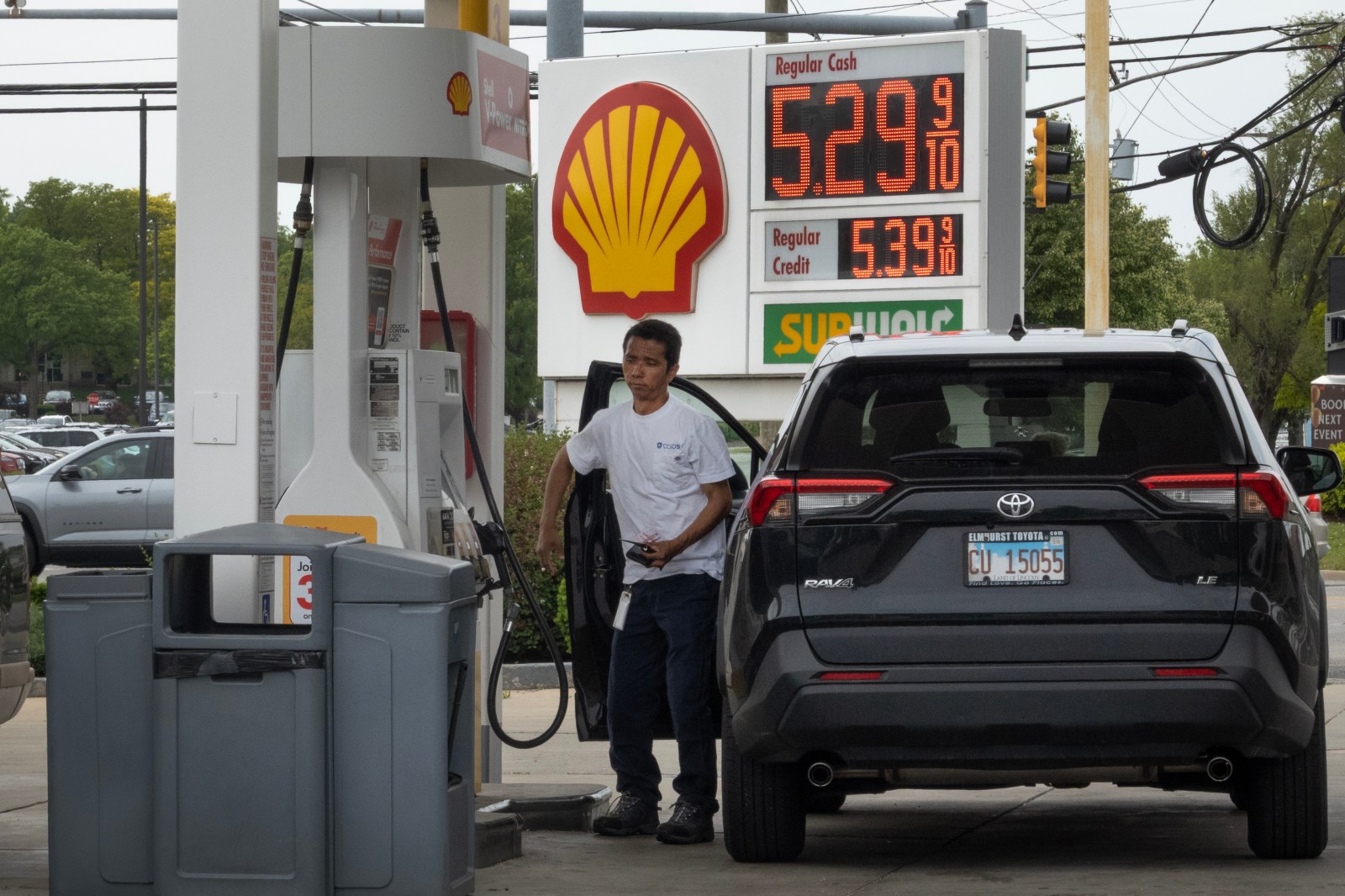
Regional Gas Price Disparities
As summer travel kicks off, gas prices are reaching record highs. Data from AAA reveals significant regional differences. The national average now exceeds $4.50 per gallon. However, states on the West Coast face even steeper prices, often above $6. Conversely, the South and Midwest see lower rates, though they too have experienced increases since February.
Highest Gas Prices at the Start of Summer
According to AAA, the West Coast leads in high gas prices. The leading states include:
- California — $6.094
- Washington — $5.752
- Hawaii — $5.655
- Oregon — $5.290
- Alaska — $5.255
- Nevada — $5.243
- Arizona — $4.767
- Illinois — $4.903
- New York — $4.584
- Connecticut — $4.604
These states endure higher fuel costs due to environmental laws, refinery constraints, and limited access to cheaper fuel sources.
Price Increases Since February
Though West Coast states bear the highest costs, lower-priced regions aren’t spared. Southern and Midwestern states have seen sharp rises since February. The situation ties to disruptions in global oil markets, largely due to tensions involving the Strait of Hormuz.
Cost of Long-Distance Travel
The rise in fuel prices adds to travel costs. Currently, the national average price means a 1,000-mile trip costs around $178 for a car getting 25 miles per gallon. The same journey last year was $127. Families taking multiple trips may face significantly higher expenditures, with financial impact compounded across the summer.
Changing Travel Patterns
Higher gas prices are influencing travel behavior. AAA reports record travel numbers for Memorial Day, but with adjustments. Travelers are opting for shorter journeys or nearby destinations. The increase in gas prices has led to travelers trimming trips, reducing stops, or opting for weekend getaways.
Surveys suggest many people are reconsidering their plans. Over half plan to travel this summer, but some are postponing plans, cutting unnecessary travel, or selecting cheaper accommodations. Financial constraints are causing travelers to rethink distances and frequency of trips.
States Benefiting from Road Trips
States with strong tourism sectors benefit most from road trips. California, Florida, and Texas are top destinations for such travel. California accounts for 16% of road-trip travel, with its parks and attractions drawing visitors.
Iconic natural landmarks ensure certain states enjoy economic perks from road-trip tourism. Arizona, Utah, Wyoming, and South Dakota rank highly due to sites like the Grand Canyon and Mount Rushmore. These states depend on visitors arriving by road, maintaining strong tourism allure despite high gas prices.