
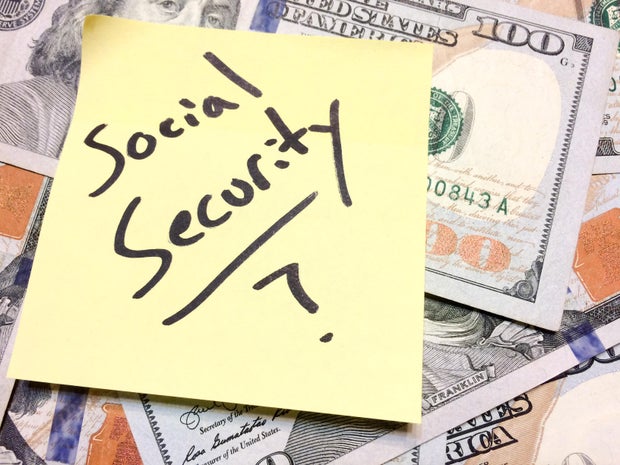
Carrying unpaid credit card debt in retirement can seriously affect your financial health. Economic pressures are increasing, and household budgets are feeling the strain, especially older Americans. Elevated costs, higher interest rates, inflation, and healthcare expenses mean more retirees rely on credit cards longer than planned.
Impact on Social Security Recipients
Relying heavily on Social Security income to cover expenses in retirement can become worrisome. While monthly benefits may cover essentials, they might not allow much room for extra spending. The idea of falling behind and creditors accessing funds through a bank levy or wage garnishment is stressful for many. However, federal protections exist to shield benefits from private creditors.
Understanding the Protections
Credit card debt typically does not lead to direct garnishment of Social Security benefits. Federal law protects these benefits from private creditors, including credit card companies and debt collectors. Unlike unpaid federal taxes or child support obligations, regular credit card debt does not qualify for garnishment.
However, keeping all funds mixed can still pose problems. If debt lawsuits occur and creditors win judgments against you, there might be attempts to levy or freeze bank accounts. Banks must protect up to two months’ worth of directly deposited Social Security benefits, but excess amounts could be at risk. Retaining Social Security funds in a dedicated account is recommended.
Impact on Credit and Budget
Even with protection, unpaid credit card debt can harm your financial situation. Missed payments may lower your credit score, increase borrowing costs, and affect housing or financing options. Collection activity can also cause financial strain with calls, letters, and legal notices. While Social Security benefits are protected, other assets may not be depending on state laws.
Addressing Credit Card Debt in Retirement
If you’re nearing or in retirement with considerable credit card debt, the risk is erosion of financial stability, not a reduced Social Security check. High-interest rates, minimal payments, and additional costs can quickly exhaust a fixed income. Fortunately, debt relief options are available.
- Debt Settlement: Negotiate with creditors to settle for less than the full balance, suitable for delinquent accounts.
- Debt Management: Use credit counseling agencies to negotiate lower interest rates, fees, and consolidate payments.
- Bankruptcy: Chapter 7 or Chapter 13 bankruptcy can offer protection and discharge debts entirely depending on circumstances.
Each option comes with trade-offs. Evaluating these choices can prevent credit card debt from becoming a costly burden on retirees.
Conclusion
Credit card debt cannot directly jeopardize your Social Security benefits. Federal law ensures protection from private creditors, yet limits exist once funds enter bank accounts. If debt strains your income, exploring relief options like settlement or debt management early might be beneficial.