
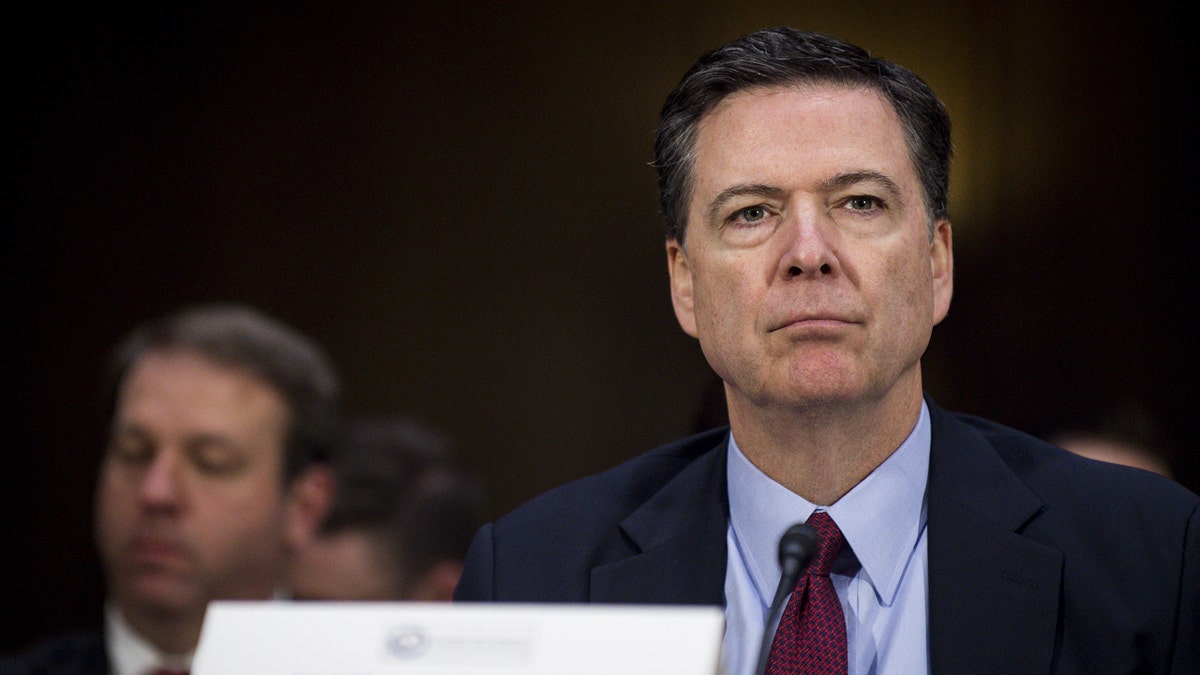
A federal judge postponed the trial of former FBI Director James Comey to October. He faces federal charges for allegedly threatening President Donald Trump through an Instagram post in 2025. Comey’s defense team plans to file multiple constitutional motions, aiming to have the case dismissed. The trial was initially scheduled for July, but prosecutors agreed to the new date of October 21.
This delay provides Comey’s lawyers additional time to argue that his post constitutes protected political speech under the First Amendment, affecting how the jury will view the case. Comey became a key figure in political debates during the Trump administration. His role included overseeing the investigation into former Secretary of State Hillary Clinton’s email usage and the early stages of the Russia probe before Trump dismissed him in 2017.
The Controversial Instagram Post
The legal challenge against Comey arose after he posted a photo on Instagram in May 2025. In the image, seashells on a beach spelled out the message “86 47.” The number “86” is slang for “remove” or “get rid of,” and prosecutors argue this paired with “47”—referring to Trump as the 47th president—constitutes a threat. Following backlash, Comey deleted the post, claiming no violent intent. He stated he was unaware of the alternative meaning of “86.”
His lawyer emphasized that Comey firmly denies the allegations and plans to vigorously contest them in court.
First Amendment Challenges
The decision to delay the trial was made by District Judge Louise Wood Flanagan, appointed by President George W. Bush in 2003. Legal experts suggest that the indictment may not withstand a First Amendment challenge, as they question whether the charges amount to a real threat or protected speech.
Critics of the Trump administration argue the indictment illustrates the misuse of the justice system to attack political adversaries. Senator Mark Warner, a Democrat from Virginia, criticized Trump’s actions, asserting that legal decisions should not be driven by any personal vendetta.
In contrast, supporters of the prosecution claim that Comey’s actions surpass the boundary of free speech, representing an illegal threat.
Legal Perspectives
Acting Attorney General Todd Blanche reinforced the prohibition against making threats towards the President of the United States. He emphasized this law’s importance during a March statement, remarking on its clarity and consistency in application each year, as mandated by Congress.