
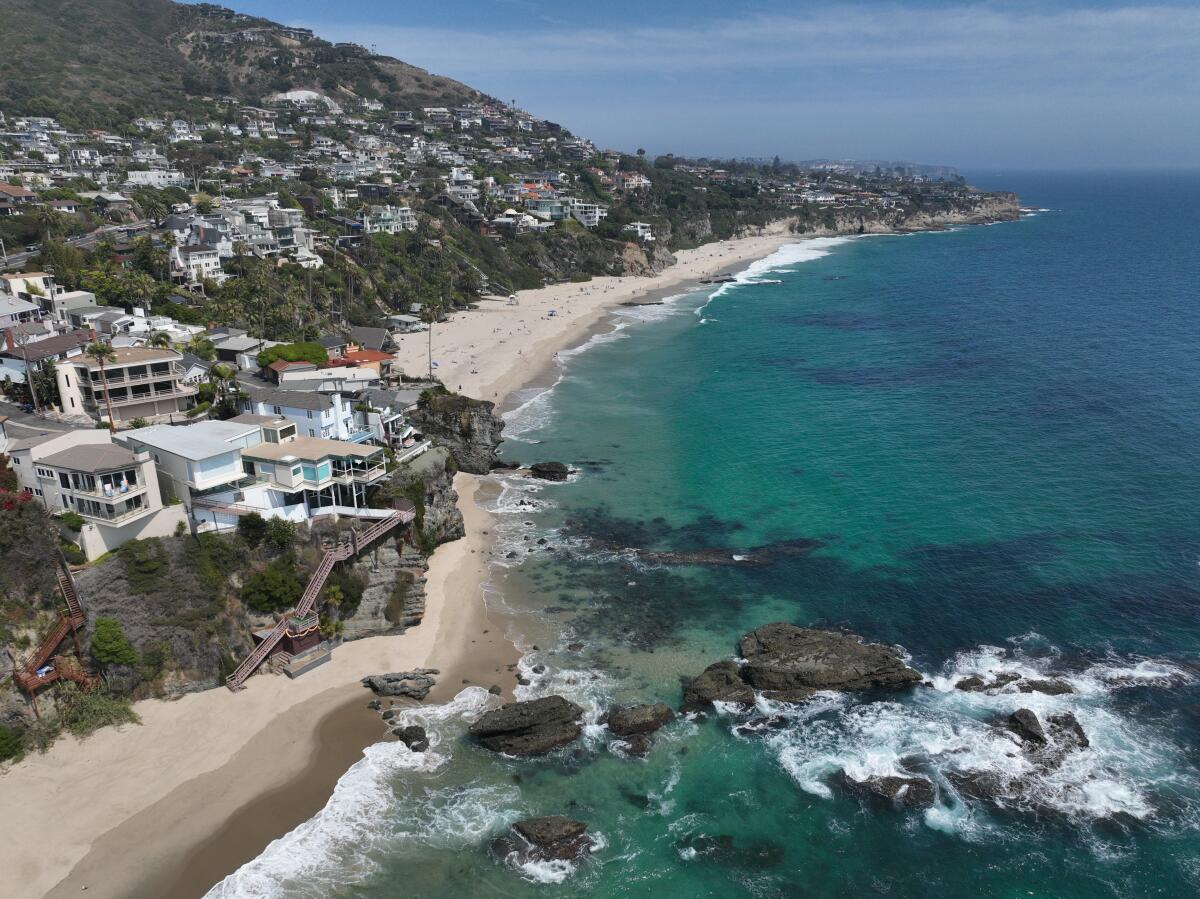
With Memorial Day approaching, sunny weather is on the horizon for Southern California. However, researchers are issuing warnings about the unsanitary conditions at certain local beaches.
Persistent Pollution at Santa Monica Pier
For the fifth consecutive year, the Santa Monica Pier area has been identified as one of California’s dirtiest beaches by Heal the Bay, an environmental nonprofit organization. Their annual Beach Report Card records fecal pollution data from Baja California to Washington state. Health risks from exposure include rashes, ear and upper respiratory infections, and gastrointestinal illness.
“No one should get sick from a weekend in our waters,” said Tracy Quinn, Chief Executive of Heal the Bay. “These findings are a reminder that water quality isn’t just a report, it’s a public health issue.”
Of the 490 beaches monitored between 2025 and 2026, the dirtiest list includes Santa Monica Pier, six beaches in San Mateo County, one in San Diego County, and one in Humboldt County. Despite recent upgrades to stormwater capture systems and bird-deterring netting, pollution at Santa Monica Pier persists, highlighting the need for continuous investment and maintenance in environmental health.
Shannon Parry, Chief Sustainability Officer for Santa Monica, noted that many coastal beaches in Santa Monica Bay received ‘A’ grades, except for Santa Monica Pier. A task force has been formed to investigate the cause of the pollution and propose solutions. This multidisciplinary group is analyzing 20 years of bacteria data to find trends and understand the persistently high contamination levels.
Bacteria levels have been climbing since 2020, often reaching averages 20 times above safety thresholds. This surge suggests a structural or environmental change may have occurred. In collaboration with the Southern California Coastal Water Research Project, researchers are conducting microbial source testing. This testing analyzes DNA to pinpoint pollution sources such as humans, birds, or dogs.
The city is also studying the impact of the pier’s breakwater on water circulation. Researchers used non-toxic pink dye to help analyze circulation patterns, with ongoing data evaluation.
Parry recommended beachgoers swim at locations 100 yards north and south of the pier where water quality is higher.
Heal the Bay’s Top 10 Dirtiest Beaches
- Playa Blanca (Tijuana, Mexico)
- Santa Monica Pier (Los Angeles County)
- Erckenbrack Park (San Mateo County)
- Linda Mar Beach at San Pedro Creek (San Mateo County)
- Parkside Aquatic Park (San Mateo County)
- Pillar Point Harbor, Capistrano Road Beach (San Mateo County)
- Pillar Point Harbor, Harbor Beach (San Mateo County)
- Marlin Park (San Mateo County)
- Tijuana Slough at Tijuana River mouth (San Diego County)
- Clam Beach County Park at Strawberry Creek (Humboldt County)
Twenty-one beaches earned a spot on Heal the Bay’s “honor roll,” a decrease from 62 last year. Researchers attributed this drop to the higher-than-average seasonal rainfall, affecting Southern California’s position on the list.
California’s Honor Roll Beaches
- Bluff Cove, Palos Verdes Estates (Los Angeles County)
- Capistrano County Beach, South Capistrano Bay (Orange County)
- Dana Point Harbor, guest dock (Orange County)
- Huntington City Beach at Beach Boulevard (Orange County)
- Huntington Harbor, Coral Cay Beach (Orange County)
- Huntington Harbor Admiralty Drive Beach (Orange County)
- Laguna Beach, 1,000 Steps Beach at 9th Street (Orange County)
- Laguna Beach, Three Arch Bay (Orange County)
- Sunset Beach at Broadway (Orange County)
- Cardiff State Beach, Seaside State Park (San Diego County)
The honor roll includes 11 beaches in San Diego County, eight in Orange County, and one each in Los Angeles and Santa Barbara counties.