
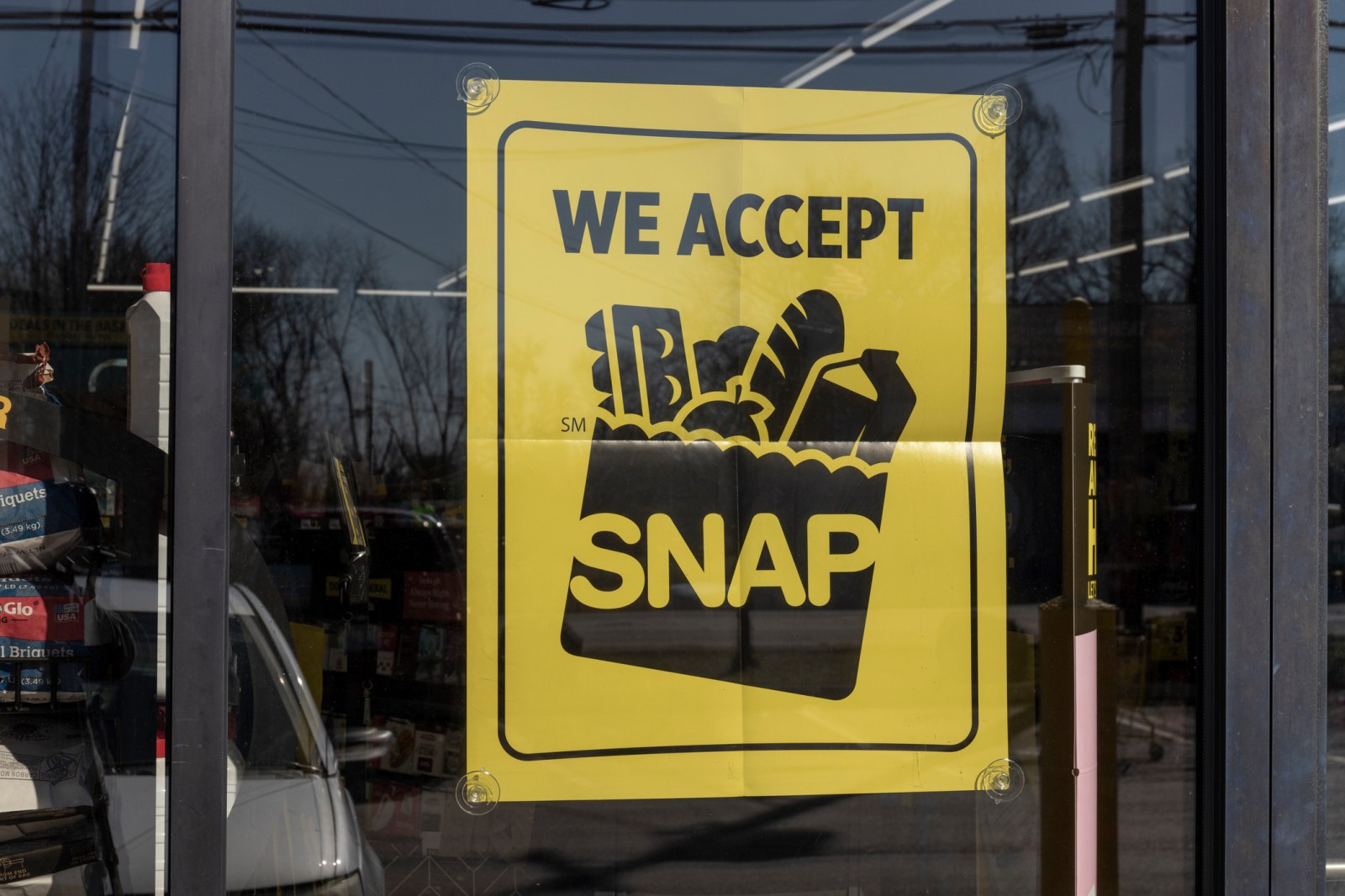
Montana is aiming to join other states in restricting food purchases through the Supplemental Nutrition Assistance Program (SNAP). State and federal authorities are moving to ban items like soft drinks and candy. U.S. Department of Agriculture Secretary Brooke L. Rollins teamed up with Montana’s Republican Governor Greg Gianforte to submit a request for a waiver that would prevent SNAP benefits from covering soft drinks and candy. So far, 22 states have already been granted approval to alter the program’s administration in this manner.
This effort aligns with the broader “Make America Healthy Again” agenda promoted by Health Secretary Robert F. Kennedy Jr.
Current SNAP Purchase Options
SNAP, also known as food stamps, supports approximately 38 million low-income and no-income Americans each month. The program generally permits recipients to buy a wide array of grocery items. These include fresh produce, meat, dairy products, bread, cereal, snack foods, and non-alcoholic beverages. Households can also use benefits to buy seeds and plants for cultivating food at home.
However, SNAP benefits cannot be used to purchase alcohol, tobacco, vitamins or supplements, hot meals for immediate consumption, or non-food household products, such as pet items and cleaning supplies.
New state-level waivers are adding to this list of restrictions. Most include categories like soda, desserts, and candy. Each state decides how to define and enforce these categories.
States Limiting Sugary Purchases
Waivers at the state level increasingly limit what qualifies as an eligible food purchase. They particularly aim at sugary beverages and sweets. Each state sets its own definitions for products like soda or candy, dictating which items are restricted.
Montana now joins other states approving similar SNAP limitations. These include:
- Arkansas
- Colorado
- Florida
- Hawaii
- Idaho
- Indiana
- Iowa
- Kansas
- Louisiana
- Missouri
- Nebraska
- Nevada
- North Dakota
- Ohio
- Oklahoma
- South Carolina
- Tennessee
- Texas
- Utah
- Virginia
- West Virginia
- Wyoming
Some states, such as Florida, Idaho, Indiana, Iowa, Louisiana, Nebraska, Oklahoma, Texas, and Utah, have already put these policies into effect.
Reasons for SNAP Restrictions
Proponents of these restrictions argue that taxpayers should not sponsor unhealthy food purchases. They suggest the bans might promote healthier eating habits. Robert F. Kennedy Jr. has often expressed support for limiting sugary items under SNAP.
“People can choose what to buy, but sugary sodas shouldn’t be taxpayer-funded,” Kennedy stated in August 2025. He emphasized concerns about subsidizing foods linked to health issues, especially among impoverished children.
Critics’ Concerns
Opponents argue that the changes unfairly impact low-income Americans and complicate shopping. Gina Plata-Nino, SNAP director at the Food Research and Action Center, criticized these changes as another method to reduce benefits and stigmatize recipients.
Some SNAP users have filed lawsuits against the USDA over these restrictions. They argue the policies create confusion and hinder families from acquiring needed food.
Marc Craig, a plaintiff from Iowa, mentioned difficulties in identifying eligible items. “I often find out at checkout that my SNAP can’t cover all selected items,” he explained.
The USDA declined to comment on ongoing litigation when contacted by Newsweek.
Retailer Challenges
Retailers and advocacy groups warn that diverse state-by-state rules could cause operational challenges. The Food Research & Action Center has highlighted risks of “confusion, retailer withdrawal, and diminished food access,” particularly affecting smaller businesses with limited resources.
These restrictions emerge amid rising food prices across the nation, adding pressure on households already struggling to afford essentials.