
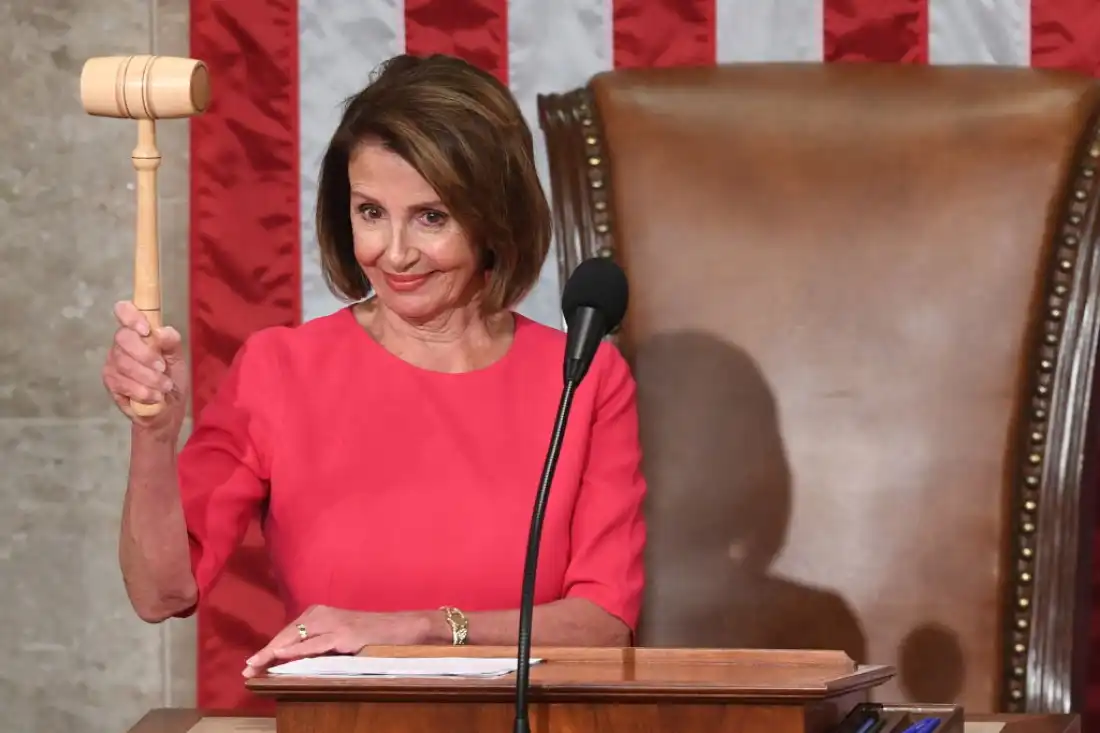
The U.S. House of Representatives witnessed a significant moment on January 3, 2019, when Nancy Pelosi, a Democrat from California, assumed the role of Speaker. She held the gavel during the opening of the 116th Congress. This event marked a notable point in American politics, especially considering the political landscape since 2019.
Throughout history, midterm elections have rarely commanded the same attention as presidential elections. Yet, they still play a crucial role. Voter turnout tends to drop by about one-third when the presidency isn’t on the line, with less interest from ‘low propensity voters’. Despite this, midterm voters have the power to elect just as many congressional members and fill state legislature seats. They also decide on about two-thirds of the nation’s governorships.
The Importance of Midterms
The 2020s have been unusual for lacking impactful midterms compared to previous decades where midterms have historically shifted congressional power. Big midterms usually occur in a president’s second term when their political influence might be waning. Midterms offer an opportunity for the president’s opponents while often demotivating their supporters.
In the past century, midterms have significantly influenced Congress and national politics. Post the ‘Crash of 1929’, the midterms of 1930 ended an era of Republican dominance with the loss of eight Senate seats and 52 House seats. This change heralded Democratic control which they maintained through World War II.
Historical Midterm Reversals
After World War II, Democrats saw their dominance shift with the 1946 midterms which returned Republicans to majoritarian control. Similar swings have shaped U.S. politics; President Eisenhower faced a loss in Congress in the 1954 midterms. The 1958 midterms produced a Senate mass supporting major legislation like the Civil Rights Act of 1964.
The energy of midterms can also be seen in the 1966 elections, where Republicans gained 47 House seats, signaling a resurgence in the South. On the West Coast, Ronald Reagan emerged as governor, indicating the rising influence of the Sunbelt.
Modern Midterm Dynamics
The 1974 midterms highlight dramatic political shifts. After Nixon’s resignation over the Watergate scandal, Republicans faced a steep political cost, losing 48 House seats. Economic challenges, such as those following the 1973 oil embargo, compounded the impact on GOP fortunes.
President Reagan’s tenure highlighted midterm elections as political regulators. Garnering bipartisan support initially, Reagan’s influence waned by his second midterm as Democrats reclaimed Senate control.
Lessons from Recent Periods
The 1994 midterms were transformative, upsetting Democratic control as Republicans, led by Newt Gingrich’s confrontational approach, gained majorities by promoting a central campaign theme of systemic reform. Yet, internal conflicts and eventual compromise characterized this shift.
In the 21st century, George W. Bush’s initial post-9/11 popularity gave way to losses in the 2006 midterms amidst economic and military challenges. This election facilitated Nancy Pelosi’s historic speakership. Barack Obama’s tenure, marked by midterm losses, illustrated the influence of economic conditions and healthcare debates on electoral outcomes.
Looking Toward Future Midterms
The potential for impactful midterms remains, particularly as economic concerns and negative sentiments towards incumbents persist. Observers forecast potential Democratic gains in the upcoming midterms. Such elections reflect public sentiment and can profoundly affect national governance.