
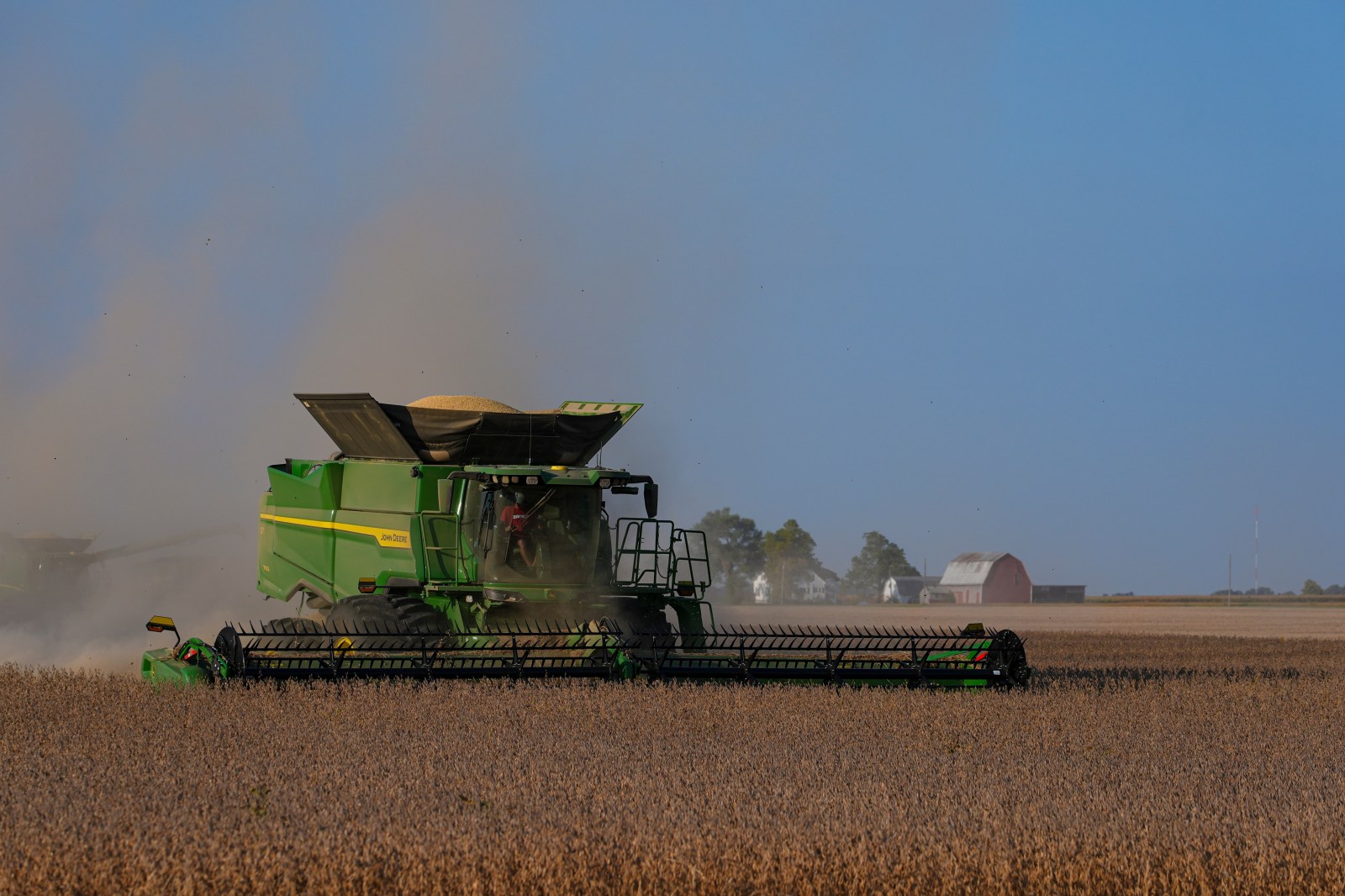
The Trump administration plans to distribute $8 billion in one-time payments to assist farmers managing increased input costs. Diesel prices, averaging over $6 per gallon nationally, have added financial stress for many. The announcement of this aid came on Monday, but not everyone is satisfied.
Aaron Lehman, president of the Iowa Farmers Union, criticized the initiative as a temporary fix. He said it fails to tackle the root policy issues contributing to farmers’ economic challenges. Lehman’s statement highlights the political undertones, as the Iowa Farmers Union backs Democratic candidates in the upcoming midterm elections.
The aid, part of the Harvest Fuel Relief program, seeks to assist farmers during the fall harvest season just before midterm elections that could reshape Congressional control. The U.S. Department of Agriculture (USDA) clarified the funds aim to alleviate the impact of market disruptions and rising costs.
“We are proud to bring relief to our farmers through the Harvest Fuel Relief program,” USDA Secretary Brooke Rollins stated. “This $8 billion investment provides much-needed certainty during the harvest.”
The aid will provide calculated assistance, considering factors like acreage, production costs, and price data. Commodity-specific rates will be released in the following weeks, with application processes still pending.
This initiative follows a $12 billion package distributed earlier this year to over 560,000 farmers. Diesel costs worldwide have surged since the Iran war began, contributing to U.S. farmers’ financial burden.
Patrick De Haan from GasBuddy highlighted that increased diesel expenses have cost industries like agriculture an additional ~$55 billion since March. States like Texas and Iowa, consumed high diesel volumes, will directly feel this relief effort.
Concerns Over Efficacy
While farm organizations appreciate the aid, there are concerns about its long-term efficacy. Lehman argues for addressing the deeper issues, such as trade conflicts and energy policy. Mark Williams, a finance expert from Boston University, echoed concerns, indicating the need for broader solutions to resolve international energy disruptions influencing farmers’ costs.
Williams criticized the aid for potentially favoring larger farming entities over smaller ones and warned of administrative challenges that could delay relief. He suggested that the program skims over underlying causes like the conflict with Iran and lacks detail in its plans.
Critics highlight the need for sustainable energy policies and resolving geopolitical tensions to stabilize input costs, which have caused significant financial strain on farmers.
Political Implications Amid Elections
The timing of the aid aligns with the nearing midterm elections. President Trump announced the program at a rally in Kansas, directly addressing farmers’ concerns over increased costs. He promised additional support contingent on Republican electoral success.
With the midterms approaching, agricultural interests have become election focal points, and this $8 billion intervention signifies an effort to maintain rural support. The focus on fuel and fertilizer costs remains at the heart of political debates as farmers grapple with operating challenges.