
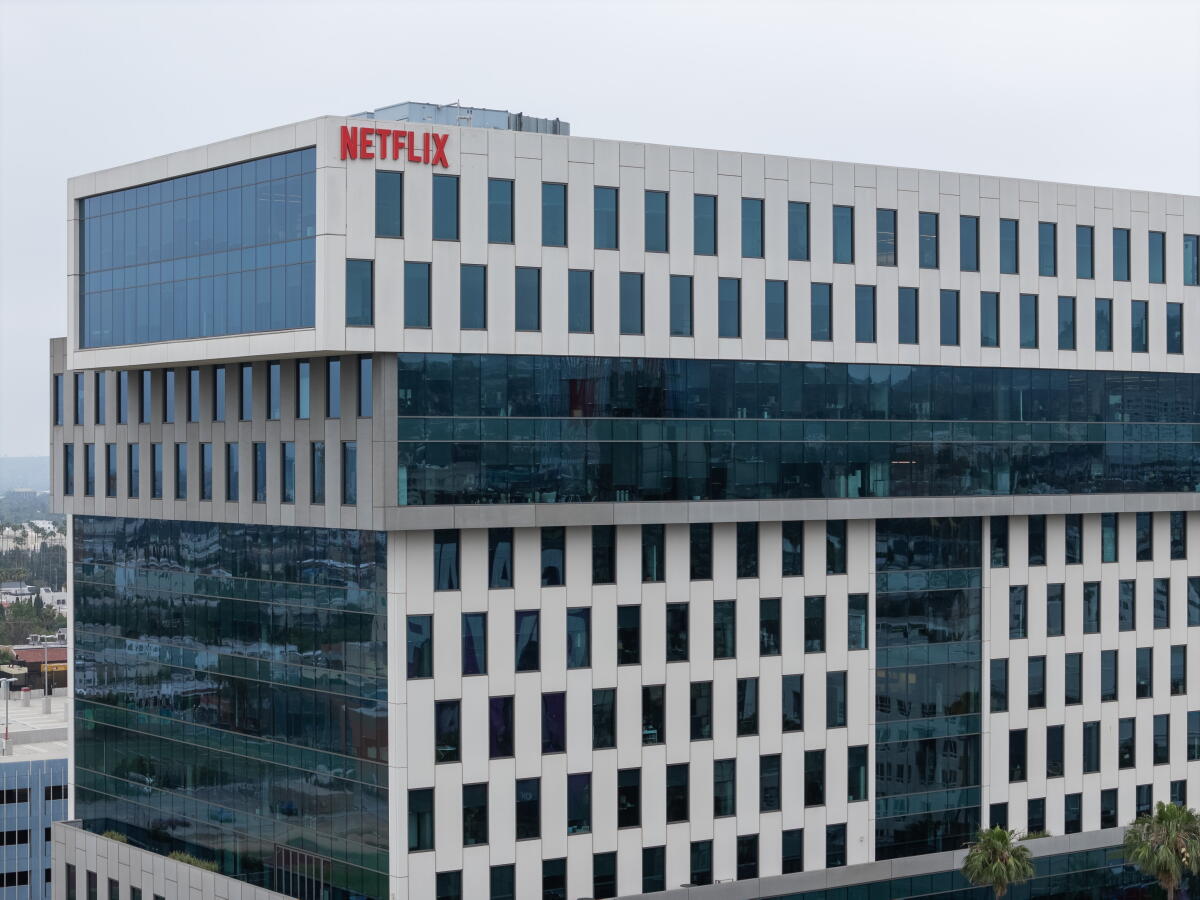
Netflix previously appeared poised to secure a significant industry acquisition with its $82.7 billion bid for Warner Bros. The move signified Netflix’s growing influence in media as a prominent Hollywood player. However, nearly a year later, the situation has changed dramatically for the streaming giant. Netflix’s bid lost out to Paramount Skydance, and the company faces various challenges.
This week, Netflix began shedding 6% of its workforce, approximately 1,000 jobs, marking the largest layoff in its history. Previous layoffs occurred in 2022 amid subscriber declines. Co-Chief Executives Ted Sarandos and Greg Peters confirmed the job losses in a memo to employees, stating that the cuts would mainly affect tech, product, legal, and HR teams. They emphasized that prioritizing people and resources was crucial to fulfilling their mission to entertain globally.
The layoffs reflect broader industry trends, as several entertainment companies, including Disney, Paramount, and Sony Pictures, have also reduced staff during uncertain economic times in Hollywood. However, such downsizing is unprecedented for Netflix. Analysts attribute Netflix’s predicament to multiple factors. While still a leader in television, Netflix struggles to generate new hit franchises to replace iconic shows like “Stranger Things” and “Squid Game.” Moreover, competition from rivals like HBO Max, Apple TV, and Hulu has intensified, and free platforms like YouTube are capturing more streaming hours. Netflix’s venture into new areas, such as games, has produced limited success.
Despite maintaining over 325 million subscribers, Netflix faces slower consumer engagement growth than investors anticipate. In the first half of the year, watch time increased by only 2%, even though content spending rose by 11% to $20 billion. The company also lowered its annual revenue forecast last summer, causing investor dissatisfaction.
Netflix’s stock has seen a 42% decline over the past year. Concerns over Netflix’s failed Warner Bros. Discovery acquisition initially contributed to this decline, yet shares have not recovered post-deal. Investors remain concerned about Netflix’s finances and engagement levels. Brandon Katz from Greenlight Analytics highlighted the diminished viewer engagement for Netflix’s top summer releases compared to previous years.
At a Bloomberg event, Sarandos acknowledged growth concerns and stated that Netflix aims to accelerate its progress. While the company refrained from commenting on layoffs, Sarandos reiterated commitment to investing in high-impact areas for service improvement and growth.
Netflix’s past success in producing cultural hits like “KPop Demon Hunters” and “Squid Game” creates a challenging precedent for finding new popular shows to drive subscriptions. Productions like “Stranger Things” have concluded, and upcoming titles also face scrutiny regarding potential successor hits. Shows such as “Avatar: The Last Airbender” saw viewership decline sharply in subsequent seasons. Moreover, Netflix’s newer series have captured less demand than competitors’ offerings.
To diversify, Netflix expanded its programming to include live sports. While successful in attracting subscribers, live sports represent only 1% of viewing time, consuming 5% of the content budget. Additional content ventures, like video podcasts and collaborations with YouTube creators, have shown limited impact, particularly in gaming.
Competition with platforms like YouTube, which operate on a different model, adds pressure. YouTube’s share of streaming watch time steadily increases while Netflix’s declines. Internal tensions arise within Netflix regarding the interplay of content promotion and program acquisition. Sarandos and Peters emphasized focused decision-making and ongoing investments to sustain delivery for members, partners, employees, and investors.
Despite challenges, Netflix remains profitable. The second quarter saw a 9% rise in net income to $3.4 billion, with revenue increasing 13% to $12.6 billion, demonstrating robust performance across regions. Anticipated releases from Netflix, including “The Diplomat” and “Lupin,” could improve engagement. Streaming service enhancements and strategic content releases aim to bolster viewing and subscriber activity.
The theatrical debut of movies such as Penelope Cruz’s “La Bola Negra” and Brad Pitt’s “The Further Mis-Adventures of Cliff Booth” could further strengthen Netflix’s portfolio. Analysts suggest refining film and show release strategies to enhance viewer interest and buzz.
Netflix’s approach to sports is expected to broaden, yet economic pressures necessitate shifts that prioritize revenue over subscriptions. With competitive dynamics evolving, Netflix is positioned to capitalize on low-cost content while intensifying efforts to secure top-tier creators.