
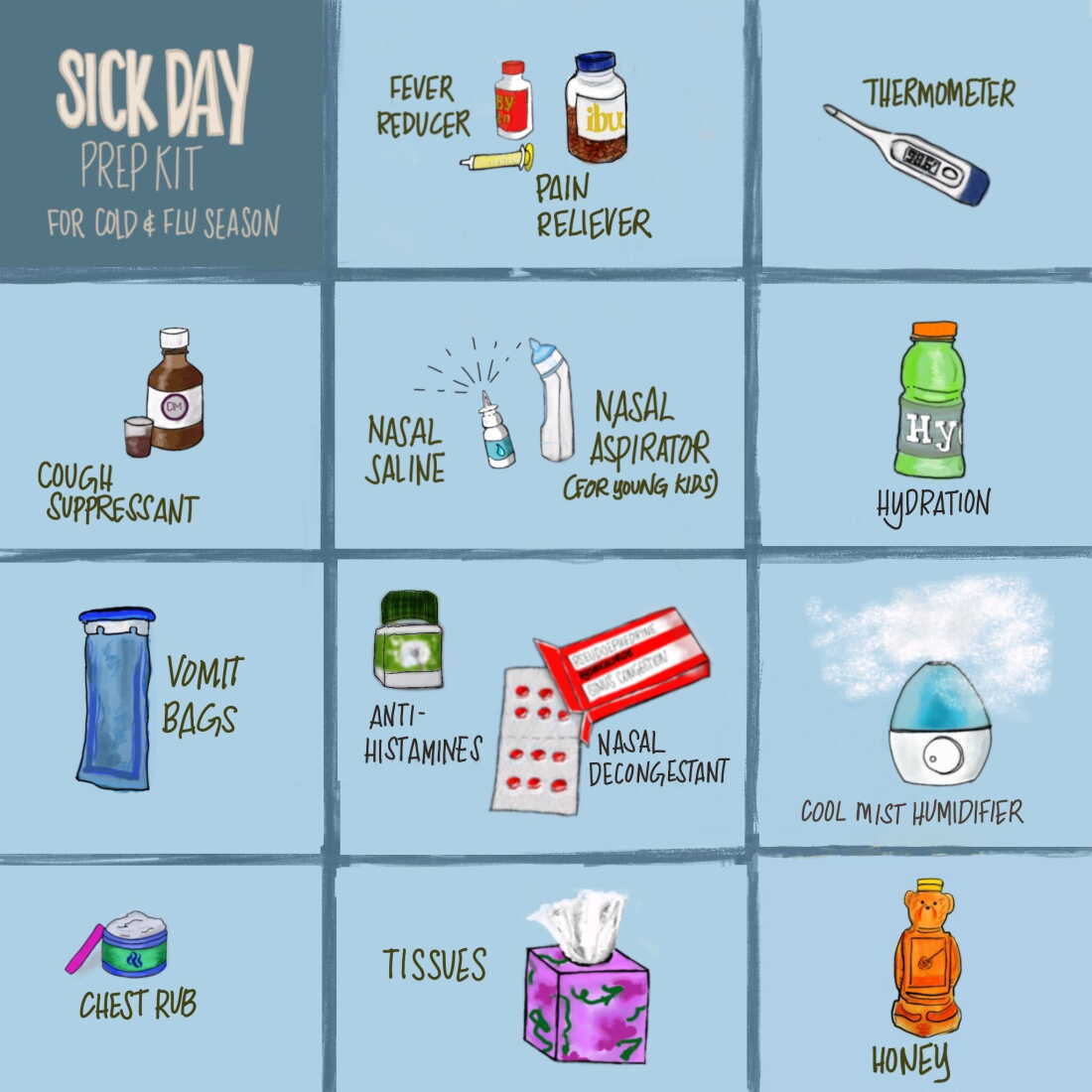
Is your household prepared for an unexpected illness? Cold and flu seasons in the United States usually span from October to May, as stated by the Centers for Disease Control and Prevention. Cooler temperatures and drier air increase our vulnerability to respiratory viruses like the common cold, flu, RSV, or COVID-19, says pediatrician Mona Amin.
Plan Ahead: Create Your Cold and Flu Kit
Pharmacist Alisha Reed advises having necessary supplies on hand to avoid last-minute trips to the store. Essential items include fever and pain relievers, hydration aids, and health monitoring tools. Dr. Amin highlights that many viral infections and fevers can be managed at home without prescription antibiotics.
Besides having a well-stocked kit, preventative steps such as surface disinfection, vaccination, and hand hygiene are crucial. However, as Reed notes, no prevention strategy guarantees total protection.
Cold and Flu Preparation Essentials
Over-the-Counter Medications
When tackling symptoms like cough, congestion, sore throat, fever, or fatigue, it’s tempting to use medication that addresses multiple issues. Reed suggests targeting individual symptoms to avoid overmedication risks. Below are recommended choices:
- Pain Relievers: Options like ibuprofen or naproxen mitigate pain from headaches, body aches, or sore throats by reducing inflammation. For children under 6 months, avoid children’s ibuprofen; naproxen is approved for those 12 and older.
- Fever Reducers: Acetaminophen and ibuprofen are safe choices. Acetaminophen is often preferred for fevers. Children under 12 need a specific formulation; follow recommended dosages. Acetaminophen is advised for pregnant people by the American College of Obstetricians and Gynecologists.
- Antihistamines: Useful for symptoms like sneezing, runny noses, and watery eyes, akin to spring allergies. Some OTC options are suitable for children as young as 6 months, but always confirm with a healthcare provider.
- Decongestants: Pseudoephedrine pills or nasal sprays relieve stuffiness by reducing blood vessel swelling. Pills aren’t recommended for kids under 4; nasal sprays aren’t for those under 6.
- Cough Suppressants: Dextromethorphan can curb cough reflex signals. Avoid for children under 4; don’t use for under 2 as per the American Academy of Pediatrics.
- Expectorants: Guaifenesin thins mucus for relief. Try staying hydrated initially, as water is a natural expectorant.
Always check expiration dates, ensure proper ailment treatment, and adhere to recommended dosages to minimize side effects.
Honey
Honey can soothe coughs by coating the throat and serving as an anti-inflammatory, especially beneficial for young children not ready for cough medicine. Note: Do not give honey to infants under 12 months due to botulism risk.
Thermometer
Crucial for monitoring fevers, thermometers are available in rectal versions for children 3 and under, with oral and digital infrared models suitable for older individuals. Oral types are often most accurate.
Nasal Saline Treatment
Use saline spray or rinse to moisturize nasal passages, supporting virus prevention and symptom relief by thinning mucus. Studies show saline drops can lessen cold symptoms duration in children.
Additional Comfort Items
- Chest Rub: Products with camphor, eucalyptus, and menthol may help alleviate nighttime symptoms. Use cautiously and never heat up formulations like Vicks VapoRub.
- Disposable Vomit Bags: Convenient for managing stomach flu symptoms at home.
- Humidifier: A cool-mist humidifier adds air moisture to ease sinus congestion.
- Hydration Solutions: Drinks like Pedialyte, apple juice, and Gatorade remedy dehydration caused by diarrhea or vomiting.
When to Consult a Doctor
If symptoms improve with treatment, home care might suffice. However, see a physician for these signs:
- Fever in infants under 3 months, over 102 F for children, over 103 F for adults, or persistent high fevers.
- Breathing difficulties or erratic patterns.
- Severe dehydration indicators like extreme thirst, inability to drink, or dark urine.
- Mental confusion, severe irritability, or weakness.
Contact your doctor or consult a pharmacist when uncertain. Seeking advice is beneficial, according to Reed.
Connect with Life Kit on Apple Podcasts and Spotify, or email [email protected] for feedback.