
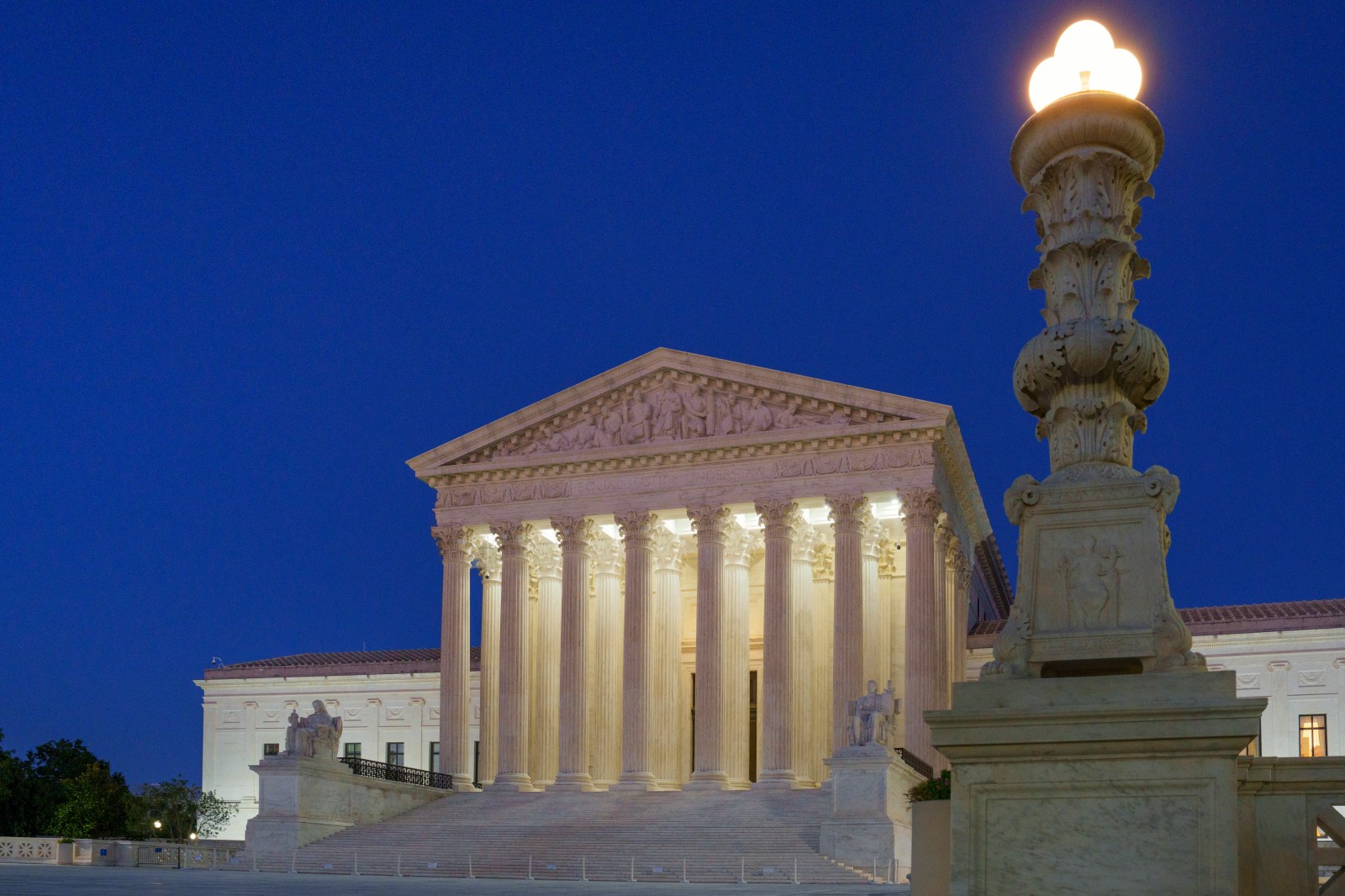
The United States Supreme Court is poised to deliberate a case pivotal to veterans’ rights. The court will decide if veterans can directly approach federal district courts to contest federal benefits laws they view as unconstitutional, or if they must navigate the Veterans Affairs (VA) specialized review system first.
Origin of the Case
The case, Johnson v. United States Congress, originates from a dispute concerning a Florida veteran. This veteran challenges a federal law that reduces disability benefits for incarcerated veterans. The broader implications of this ruling could affect all veterans with comparable grievances regarding payment reductions.
The government argues an existing system adequately addresses these challenges, but the plaintiff bypassed it. Alison Weir, from the Connecticut Veterans Legal Center and a U.S. Air Force Veteran, emphasized the case’s significance. She stated, “It speaks to veterans’ fundamental right to challenge the constitutionality of the law through federal courts.” Weir voiced confidence that SCOTUS would affirm their holding in Johnson v. Robison from 1974.
Details of Johnson’s Challenge
Floyd D. Johnson served in the U.S. Army between 1983 and 1985. Decades later, he faced imprisonment in Florida. During his incarceration, Johnson was diagnosed with post-traumatic stress disorder related to his service. He applied for VA disability benefits, initially receiving a 70% rating, later increased to 80%. However, his payments were reduced to 10% due to a benefits cap for incarcerated veterans.
Johnson contested the benefits cap as unconstitutional, but a magistrate and later the District Court dismissed his claim. The 11th Circuit Court of Appeals also rejected his argument, emphasizing the need to challenge benefits decisions within the VA’s framework as prescribed by the Veterans’ Judicial Review Act (VJRA).
Legal Precedents
Johnson’s case draws on the 1974 Supreme Court ruling, Johnson v. Robison. That decision suggested district courts could hear constitutional challenges to veterans’ benefit laws. Kristin E. Hickman from the University of Minnesota noted that debate continues over whether Congress intended to restrict judicial review of constitutional issues.
In December 2025, Johnson petitioned the Supreme Court citing the Robison case. The justices consented to hear it, with legal scholars like Hickman suggesting the appeal stems from conflicting interpretations of the VJRA.
Potential Implications for Veterans
If Johnson succeeds, veterans might file constitutional challenges directly in federal district court. Advocacy groups support this, arguing the VJRA was never meant to impede legal challenges.
However, if the government prevails, the current VA review system would likely remain. Veterans would need to complete administrative appeals before accessing federal courts.
The Supreme Court will hear oral arguments on this matter soon. A decision is anticipated during the 2026/2027 term.