
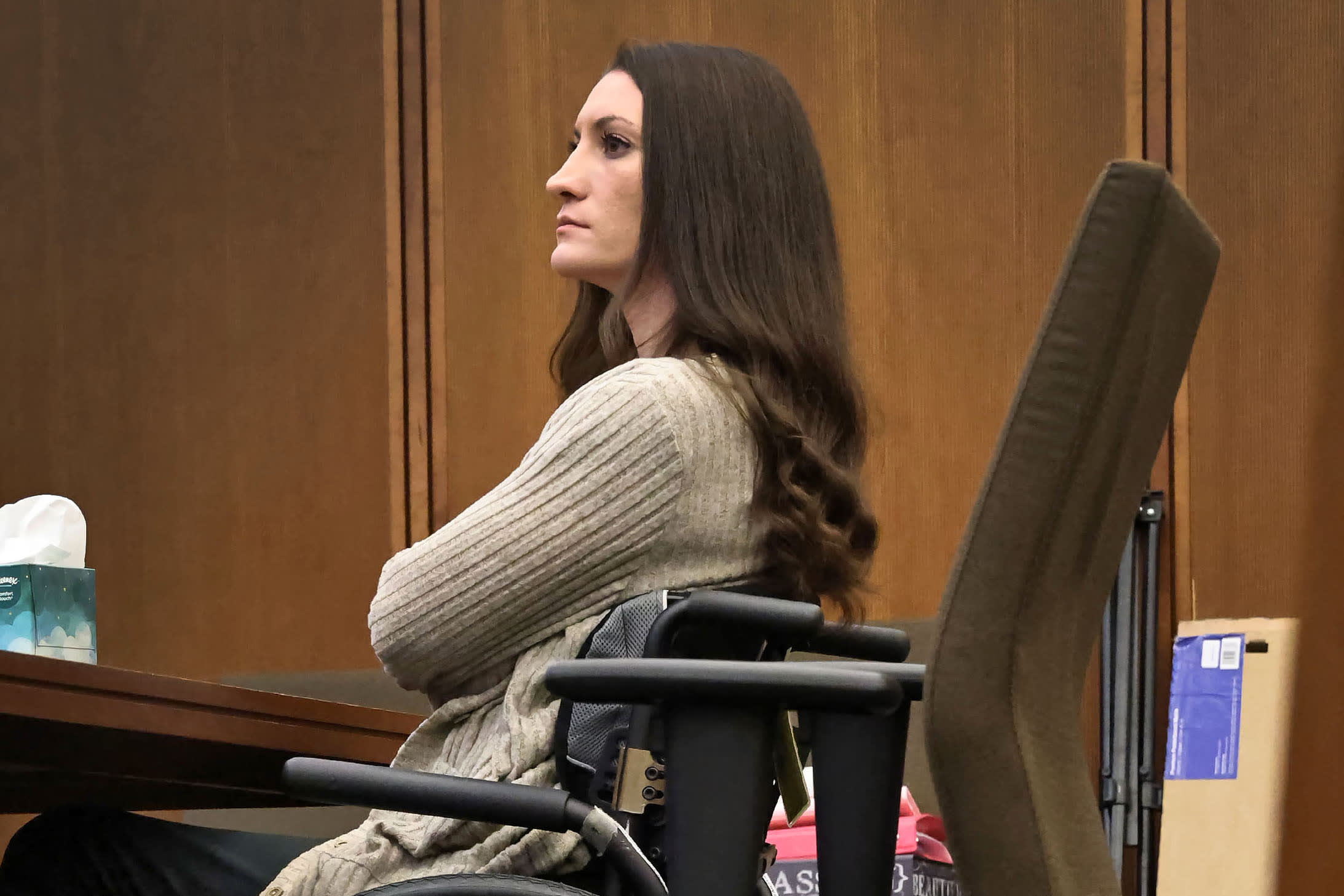
On the expected closing day of evidence presentation in Lindsay Clancy’s murder trial, attention remains focused on her mental health. Clancy stands accused of killing her three children: Cora, 5, Dawson, 3, and Callan, 8 months, in January 2023. The trial has centered on whether she was suffering from postpartum psychosis and unable to appreciate the wrongfulness of her actions.
Prosecutors argue Clancy deliberately killed her children, while her defense claims she was experiencing severe mental illness. The prosecution’s final witnesses aimed to refute the postpartum psychosis defense, asserting that Clancy manipulated her providers and chose not to engage in treatments.
Defense attorney Kevin Reddington highlighted testimony from Clancy’s friends and family, painting her as a caring mother. The trial, now entering its fifth week, has consumed media and public discourse beyond the Massachusetts courtroom. Clancy’s case has sparked debates about maternal healthcare gaps.
Closing arguments are predicted to commence tomorrow, according to the judge. Reddington’s cross-examination focused on forensic psychiatrist Gregory Saathoff, questioning the reliability of the evidence regarding Clancy’s mental state. Saathoff commented on the minimization of Clancy’s struggles in the trial narratives.
The defense interrogated Saathoff over claims Clancy crushed pills during a suicide attempt. Saathoff stated no investigation confirmed the presence of pill residue. Reddington raised doubts about police inquiry into the powder’s origin.
During the morning session, jurors demonstrated focused attention, making notes particularly when informed Clancy was aware of her actions. Spectator rows had vacancies, and Clancy’s parents showed no visible reaction to proceedings.
There was a minor distraction when a woman entered the court with a dog. This occurred without noticeable service animal identification.
Throughout the trial, Reddington pressed Saathoff on various issues, including medication rejection due to side effects. Saathoff acknowledged the benefits and side effects of lamotrigine, yet stated Clancy’s refusal was understandable.
The defense attempted to minimize Saathoff’s expertise with postpartum psychosis, challenging his past work and publications on auditory hallucinations. Saathoff maintained his experience, referencing historical cases and research contributions.
Jurors remained attentive as Saathoff asserted Clancy knew her actions were wrong. Saathoff detailed Clancy’s behaviors indicating awareness, such as timing the killings when alone and selecting readily available exercise bands.
Saathoff described low dosages of amitriptyline Clancy was prescribed, indicating safety even for children. The defense argued it impacted Clancy’s mental state.
The courtroom scene remained dynamic, including peculiar entries, such as a dog being brought in by a spectator.
Saathoff explained how individuals in psychosis might ignore hallucinations under law enforcement presence. Despite auditory commands, people can choose not to engage in illegal acts.
The prosecution emphasized Clancy’s capacity for decision-making, countering defense assertions of her compromised mental state during the killings.
The day marks the 21st in Clancy’s trial, with jurors due to hear closing arguments and receive the case by week’s end. Clancy doesn’t dispute committing the acts but pleads not guilty on grounds of mental illness.
Outside court, Nichelle Milford Cook, a maternal healthcare professional, contrasted recent similar cases. Cook has been observing the trial for insights into systemic gaps contributing to Clancy’s actions.