
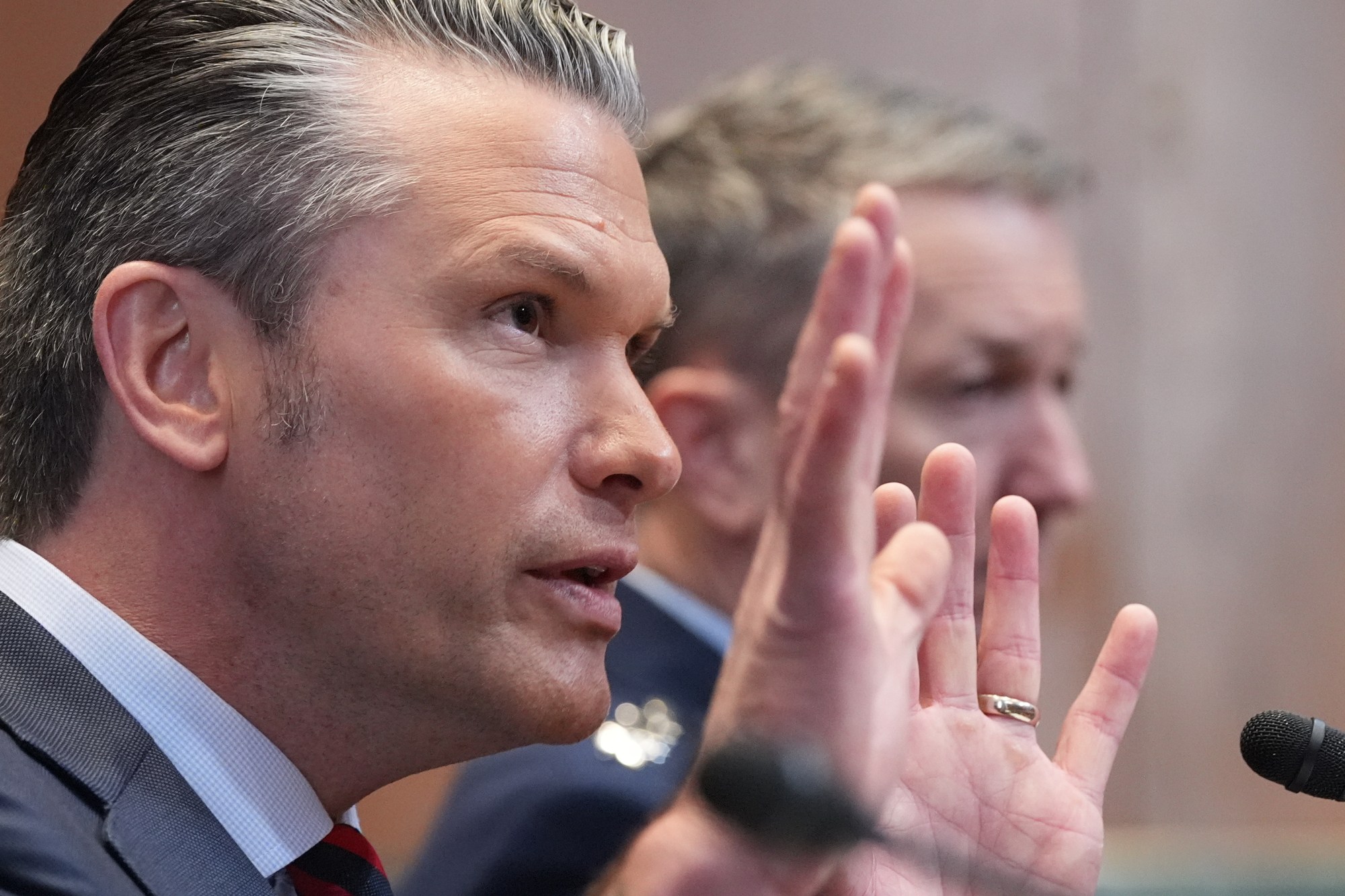
Pete Hegseth, the Secretary of Defense, recently presented his testimony to the Senate, emphasizing the risks if Congress does not approve the full $1.5 trillion defense budget as requested. Hegseth asserted that these funds are essential to counter various threats, highlighting worst-case scenarios to stress the need for increased funding.
In contrast, critics argue that this inflated budget undermines U.S. security by misaligning with strategic goals. Despite claims that the country cannot afford to cut any defense programs, critics assert that the budget maintains funding for outdated systems. Examples include the B-1B bomber, which lacks stealth and costs more to operate than its counterpart, the B-52. Similarly, the Minuteman III missile is outdated and could potentially destabilize international relations due to its vulnerability to first strikes.
Policymakers are also proposing the addition of obsolete weapons like battleships and the pursuit of a national missile defense system. Many experts view these as unnecessary and potentially dangerous, as they might provoke adversaries. This substantial budget allocation could instead be redirected toward producing munitions and other valuable military investments.
The potential long-term costs of borrowing to finance such a large defense budget do not seem to concern the Trump administration. By avoiding immediate tax increases or social service cuts, the burden of debt is passed onto future generations. The U.S.’s past borrowing for conflicts like the Global War on Terror and the Iraq War already contributes to this issue, eventually forcing citizens to face difficult choices regarding taxes and defense cuts.
Those in favor of increased defense spending argue it’s a minor portion of the GDP, indicating potential for more. However, the omission of whether these funds are genuinely necessary raises questions about other priority areas where savings could occur.
The current approach, as advocated by both Hegseth and Trump, arguably weakens economic stability and national security. Critics suggest a reduction in the defense budget to focus on pressing needs and avoid further costly commitments abroad. Such measures could enhance the nation’s economic strength, which is vital to its overall security. Money and infrastructure are crucial during conflicts for producing and transporting essential military equipment.
Benjamin D. Giltner is a defense and foreign policy analyst at the Cato Institute. © 2026 Nexstar Media Inc. All rights reserved. This material may not be published, broadcast, rewritten, or redistributed.