
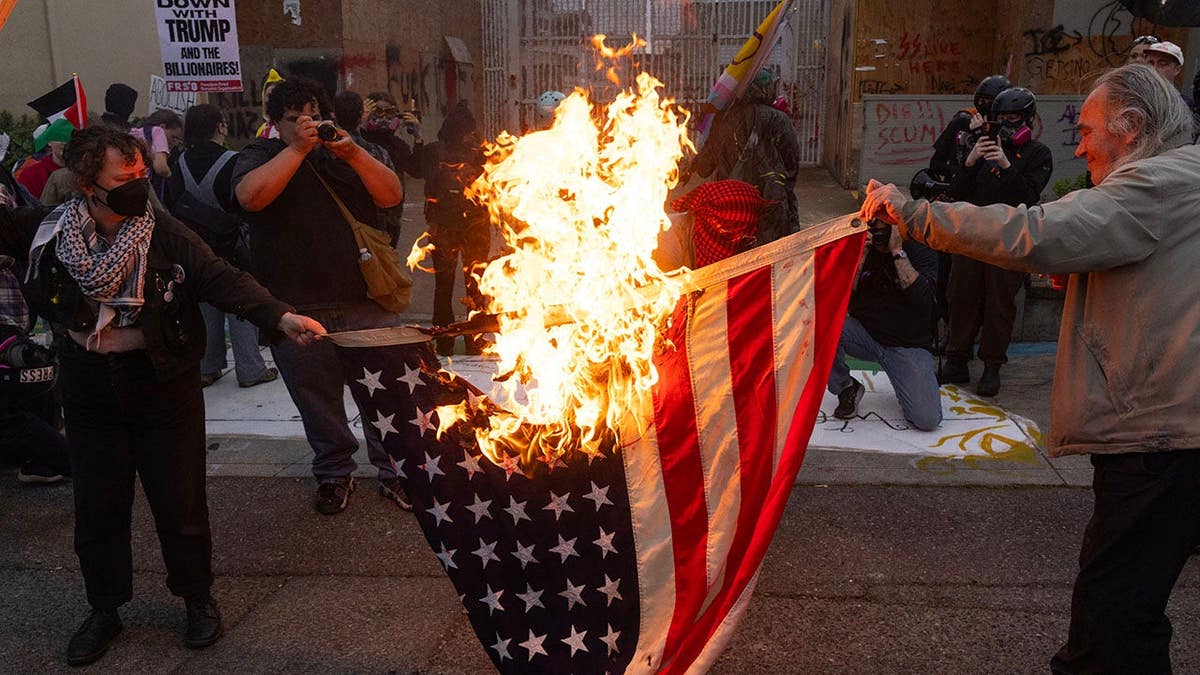
A recently obtained State Department memo reveals insights on the designation of the A/I Collective under U.S. global terrorism laws. This Italy-based technology group has been implicated in providing digital services to violent far-left and terrorist groups across the globe, including those in American cities.
Overview of A/I Collective
The A/I Collective builds sophisticated digital infrastructure. Their services include encrypted communications, web hosting, and secure video conferencing. These tools assist violent organizations to coordinate anonymously, making them difficult to trace.
“Far-left terrorism poses a profound threat to the United States and the broader West,” Secretary of State Marco Rubio stated.
Impact on U.S. Groups
The memo identifies Rose City Antifa, located in Portland, as one of the U.S. groups using A/I Collective’s technology. The collective’s designation as a Specially Designated Global Terrorist restricts U.S. individuals and businesses from engaging with them financially.
Alongside Rose City Antifa, another media group uses A/I Collective services to aid the Popular Front for the Liberation of Palestine and similar organizations.
Broader Implications
The memo accuses “Jane’s Revenge,” a pro-abortion rights group, of using these services to threaten attacks on anti-abortion establishments after a Supreme Court draft suggested overturning Roe v. Wade.
The memo highlights that users are often vetted for ideological alignment before gaining access to the collective’s tools. The group claims to host numerous mailboxes, websites, and blogs. Militants use these for spreading tactical manuals and attack plans.
Under Scrutiny
Globally, far-left groups across France, Italy, Germany, and the Netherlands used A/I Collective services for acts such as sabotaging railway systems and power infrastructure. Domestic actions linked to the collective include online campaigns to disrupt law enforcement operations.
Secretary of State Marco Rubio and Treasury Secretary Scott Bessent both emphasized the commitment to hinder these organizations through rigorous application of economic and legal sanctions.