
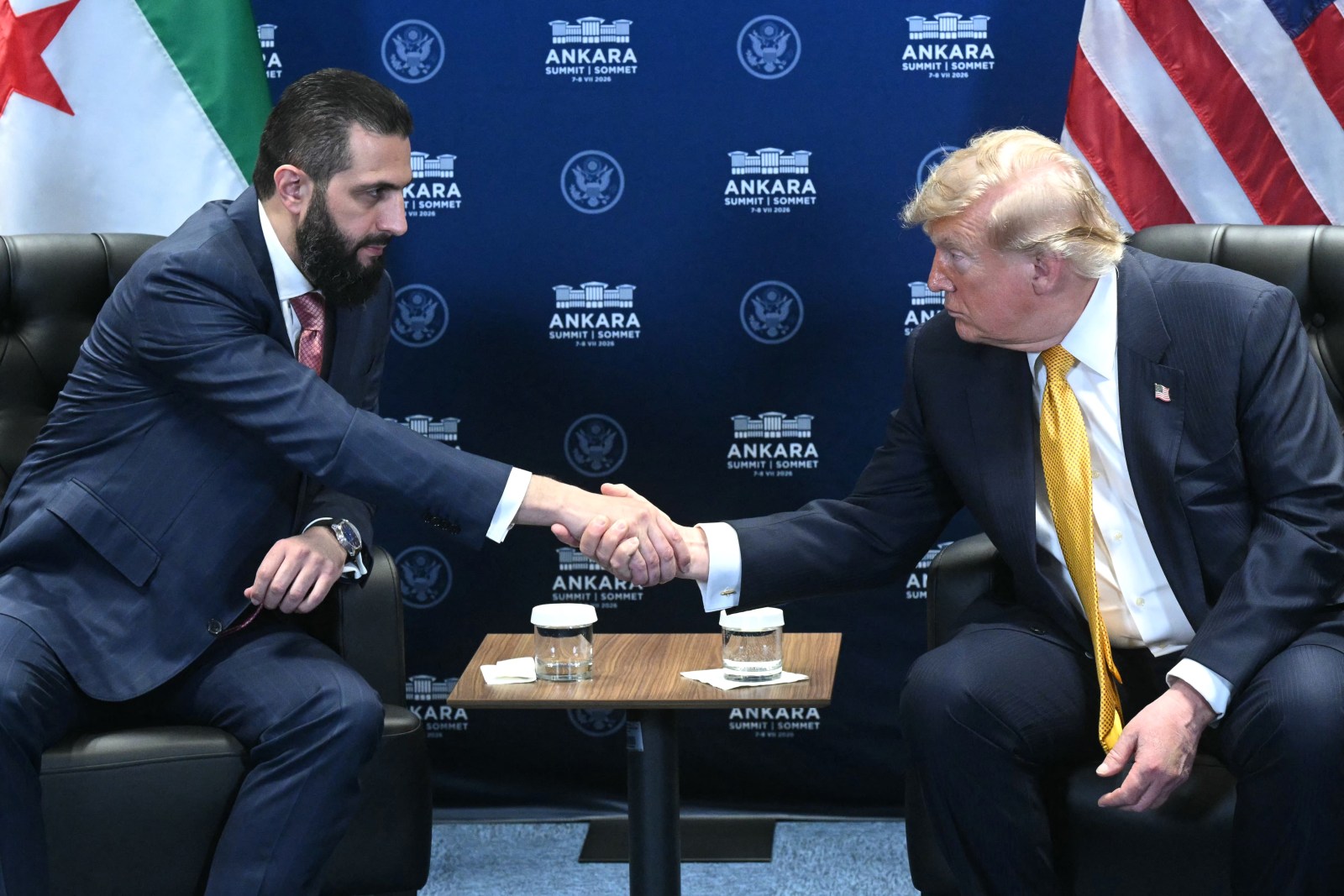
The U.S. State Department has removed Syria from its list of state sponsors of terrorism after a congressional review. This decision follows the overthrow of Syria’s previous government. It signals improving relations between Washington and Damascus since President Ahmad al-Sharaa came to power in December 2024.
Al-Sharaa, formerly an Islamist militant chief and a U.S.-designated terrorist, was removed from the terrorist list right before visiting the White House in 2025. The Federal Register published the removal on December 1. Secretary of State Marco Rubio acknowledged Syria’s commitments under President al-Sharaa’s leadership to distancing itself from international terrorism.
With Syria’s exit, several sanctions will be lifted. Syria was the last country on the list since its creation in 1979, which originally included Libya, Iraq, and South Yemen. Libya was removed in 2006, Iraq in 1982 and again in 2004, and South Yemen upon unification in 1990. Sudan, added in 1993, left the list in 2020 after establishing relations with Israel through the Abraham Accords.
Iran
Iran remains on the list, holding the longest uninterrupted designation since 1984. This followed the 1979 Islamic Revolution and a 444-day hostage crisis at the U.S. embassy in Tehran. Successive U.S. administrations have pointed to Iran’s support for terrorist organizations including Lebanese Hezbollah and others.
Relations briefly improved with the 2015 nuclear deal, but tensions resurfaced when Trump withdrew from the agreement in 2018. Accusations of Iran pursuing nuclear weapons escalated conflicts. Israel and Trump jointly launched a conflict against Iran in February, which continues unresolved.
Cuba
Cuba entered the list in 1982, accused of aiding leftist movements. The U.S. imposed sanctions after Cuba’s 1959 revolution aligned with the Soviet Union. Relations warmed under Obama, who established diplomatic ties and removed Cuba from the list in 2015.
Trump reinstated Cuba on the list in 2021 and maintained sanctions. After seizing Venezuela’s President Nicolás Maduro in 2023, Trump imposed an oil embargo on Cuba, warning of further actions amid the Iran war.
Cuban officials deny supporting terrorist groups. Attempts to remove Cuba from the list under former President Joe Biden in 2025 were unsuccessful.
North Korea
North Korea was added in 1988 after being implicated in incidents including the bombing of Korean Air Flight 858. The U.S. lifted the designation in 2008 amid nuclear talks, but subsequent nuclear tests led to its reinstatement in 2017 after the assassination of Kim Jong Un’s half-brother.
Despite attempts at diplomacy with visits between Trump and Kim, tensions persist. Trump claims a positive relationship with Kim, suggesting potential talks, but no confirmation has emerged from Pyongyang.
Trump’s decision to scale back military exercises with South Korea reflects a potential diplomatic shift, although future outcomes remain uncertain.