
Overview of the Lindsay Clancy Murder Trial
Closing arguments are expected this week in the murder trial of Lindsay Clancy. She stands accused of killing her three young children—Cora, 5; Dawson, 3; and Callan, 8 months old—in their Duxbury, Massachusetts home in January 2023.
Prosecution’s Argument
Prosecutors argue that Clancy’s actions were deliberate. They claim she sent her husband out on errands before strangling her children and then attempting suicide.
Defense’s Argument
The defense argues that Clancy suffered from postpartum psychosis, claiming she was unable to understand the wrongfulness of her actions. Experts for the defense testified she had bipolar disorder and experienced postpartum psychosis.
Mental Health Focus
Clancy’s mental health treatment has been central to the trial. Her defense highlights her multiple attempts to seek help in the months leading up to the incident. This included an inpatient psychiatric stay and being prescribed 13 medications over four months.
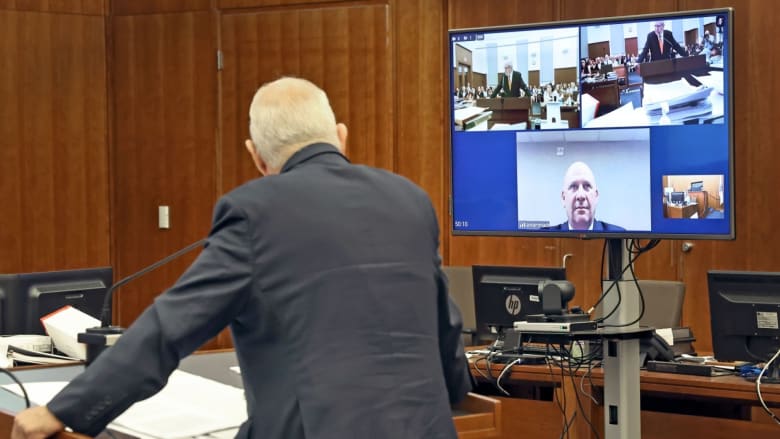
Clancy did not testify in her defense. The prosecution is currently calling rebuttal witnesses, with recent testimony involving Dr. Avram Mack, who faced cross-examination by Clancy’s attorney, Kevin Reddington.
Impact and Public Interest
The trial has attracted national attention, sparking discussions about postpartum psychosis and maternal mental healthcare. Hundreds of supporters gathered outside the courthouse in the previous week.
Courtroom Developments
Recent courtroom activities included a pause for a break during witness testimony. Dr. Kirk Heilbrun, a noted forensic psychologist, provided insights into Clancy’s mental health diagnosis.
Diagnosis Details
Heilbrun diagnosed Clancy with bipolar II disorder, which is not linked to mania but involves depressive episodes. He remarked on the complexity of her diagnosis due to the absence of manic episodes but noted instances of high energy.
Clancy’s Mental Health History
Clancy’s mental health history before 2022 was limited. She shared her experiences of anxiety during nursing school and related to each pregnancy. Her childhood reportedly lacked major traumas. The testimony provided a detailed account of her mental health issues following the birth of her third child in 2022.
Prosecution’s Rebuttal Witness
Dr. Avram Mack provided counterarguments to the defense’s claims. The prosecution questioned Clancy’s diagnosis with bipolar disorder and disputed the postpartum psychosis claim.
Clashing Perspectives
Tensions arose around the recognition of postpartum psychosis as an official diagnosis. Mack maintained that the American Psychiatric Association only considers it a proposed illness, challenging a key part of the defense’s case.
Cross-Examination Exchange
Reddington had several contentious exchanges with Mack regarding his views and testimony. The judge frequently instructed Mack to provide clear answers to the questions posed.
Concluding Stages
The trial, drawing significant media attention, is nearing its final stages. Closing arguments are set to conclude the proceedings, leaving the jury to determine Clancy’s criminal responsibility.