
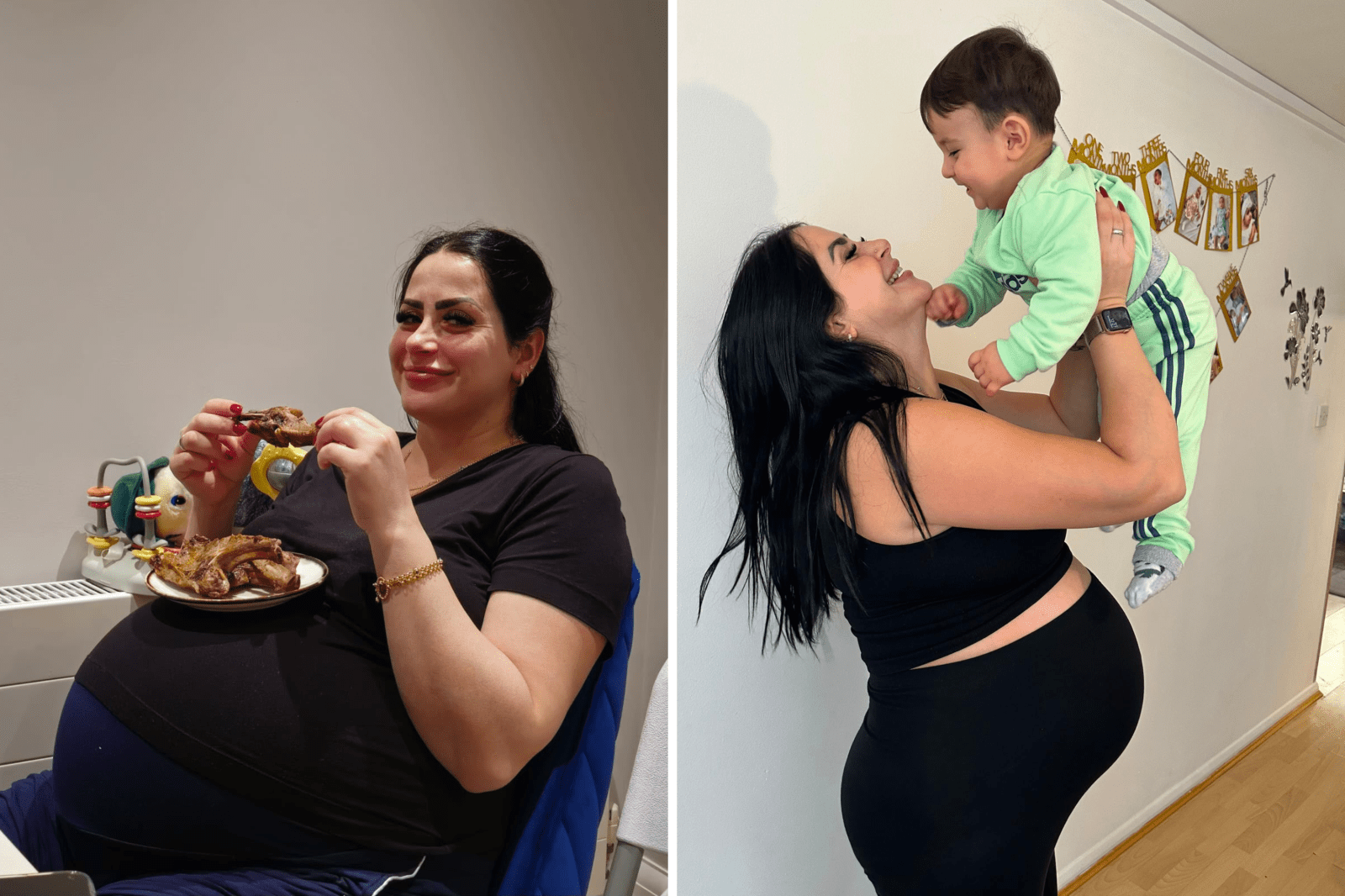
As the first in my family to expect twins, I felt a sense of wonder. But at five months pregnant, I began experiencing severe chest pain. It was a sharp discomfort between my breasts that left me breathless. I initially dismissed it, attributing it to my pregnancy. During a checkup, I mentioned it, and the doctor suggested it might be the twins pressing on my organs.
The pain became more frequent until it occurred daily. I thought it would vanish after giving birth to my sons, who are now 18 months old. But it persisted, impacting my daily life. The episodes lasted a few minutes, leaving me anxious about outings with my children. I couldn’t even hold them during the intense pain.
I called my doctor two months after giving birth, unable to endure it any longer.
Thankfully, the doctor promptly referred me to a gastroenterology team, where I discovered I had gallstones. Despite no identifiable triggers, the pain came unpredictably, sometimes waking me at night. The stress of motherhood with three kids under two, paired with these episodes, led to exhaustion.
While awaiting gallbladder surgery, a doctor recommended further tests, leading to an MRI of my liver. Within days, I was urgently scheduled for a PET-MRI scan. I was puzzled, thinking it was an error, but attended the appointment. Later, I learned these scans can aid in cancer diagnosis, causing panic as I didn’t know what doctors were searching for.
Two weeks later, I was advised to have a DOTATATE PET scan, which is used for detecting neuroendocrine tumors (NETs). During this time, my anxiety escalated; I had yet to speak with a doctor about their concerns. I began preparing for worst-case scenarios, driven by fear for my children’s future.
The emotional toll peaked when my eldest kissed my stomach, noting, “Mommy has a sore belly.” This prompted me to attend an appointment with a consultant, accompanied by my cousin. I learned I had pancreatic neuroendocrine tumors (pNETs), a type of cancer that originates in the pancreas. Despite being described as “lucky” for identifying it, the term felt ironic.
The consultant revealed a tumor on the tail of my pancreas. I was overwhelmed; reality crashed in only after the consultation. I faced questions about how to share this with my family and the long-term implications for my children.
Doctors recommended surgery to remove half my pancreas, my spleen, and gallbladder, aiming to address the 1.7 cm tumor, suspected of slow growth. They advised against delaying treatment for a biopsy, as it might prolong and heighten risks.
The ensuing two months before surgery were fraught with fear and anxiety. My emotions fluctuated daily, ranging from strength to tears over thoughts of a future without me. Support from my family was invaluable during this time.
On the day of surgery, June 29, my loved ones’ presence provided immense comfort.
When the tumor was excised, its size had increased to 2.5 cm. Post-surgery, my recovery was hampered by fever and persistent vomiting. With my spleen removed, concerns about infection heightened, requiring lifelong medication.
Hospital tests indicated fluid accumulation in my abdomen, prompting treatment with intravenous fluids, antibiotics, and injections, necessitating a week-long hospital stay.
A later pathology report revealed cancer spread to blood vessels and lymph nodes. Regular lifelong monitoring became necessary due to recurrence risk, possibly affecting my pancreas or liver.
I’m scheduled for another PET scan in September to assess potential cancer spread and the need for chemotherapy. Initially, I will have scans every three months, transitioning to biannual, then annual appointments.
The entire experience has taken a profound mental toll. Surgery alleviated the physical pain, yet I’m acutely aware of the early cancer diagnosis’s importance. Ignoring symptoms or a lack of referrals could have led to a dire outcome.
I now view life through a new lens, savoring each moment and cherishing the gift of life. None of us is certain of the future’s uncertainties. Since my diagnosis, my perspective has shifted, prompting greater appreciation for life’s fragility.
Sultan Altun, 33, previously served as a compliance manager in London’s healthcare sector.