
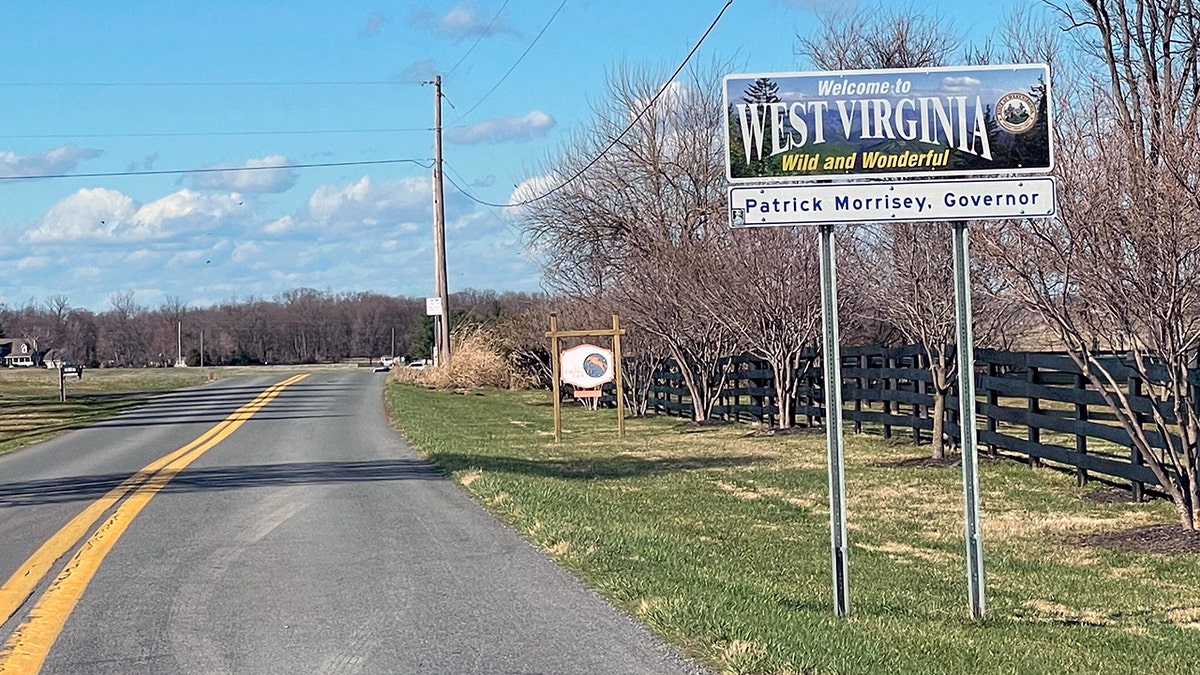
Since the 1950s, the Jefferson County Fair in West Virginia has showcased prize animals and a variety of fried foods. This gathering remains a favored spot for gauging voter sentiment. During my visit, while enjoying corn dogs and pepperoni rolls, I assumed political discussions would center on prices or affordability. Instead, the main topic of concern was data centers.
Roy, a local cattle farmer, expressed his worries about data centers and power lines. “They’re a threat to us. All we’ve got is the land,” he remarked. His sentiments were echoed by many others at the fair.
Politicians are also attentive to these issues. Democratic House of Delegates candidates Jenny Thacker and Marta Beck have shared their concerns about data centers in the county. Thacker stated, “We cannot afford to have water taken out of our system. Making laws that protect both surface and well water is crucial.” Beck added her apprehension about the loss of local municipal control.
Tamara Thompson, vice president of We The People of Jefferson County, highlighted similar concerns. “Many people oppose data centers,” she noted, mentioning frequent complaints of noise pollution. A retired teacher named Sarah succinctly encapsulated the sentiment: “I guess we need them… but nobody wants them.”
The fair’s events like a demolition derby and antique tractor pull highlighted the issue’s significance. Data centers represent a first-world problem characterized by opportunity challenges rather than scarcity.
Mickey Reagan, running for Jefferson County Commissioner, identified ‘growth’ as the top voter issue. The Eastern Panhandle of West Virginia sees rapid residential development without matching infrastructure like roads and schools. Data centers, however, spread rapidly.
The consensus from fair attendees, both Democrats and Republicans, is the need for local control. Trust in Big Tech remains low. The rapid advance of the tech sector poses regulatory challenges, exemplified by teenagers easily accessing inappropriate content online.
Nationally, perceptions are shifting. Two years ago, economic costs dominated discussions at fairs. Today, the focus is on managing growth responsibly, reflecting an improving economic situation nationally and in West Virginia.