
Jeff Bezos, the third-richest person in the world with an estimated fortune of $267.4 billion, is known for pushing boundaries in commerce and technology. This approach is driven by his belief that invention fuels wealth creation, as highlighted on his social media accounts. However, despite his immense wealth, Bezos recently experienced a $1.6 billion loss according to Forbes’ real-time calculations, illustrating the volatility of the markets.
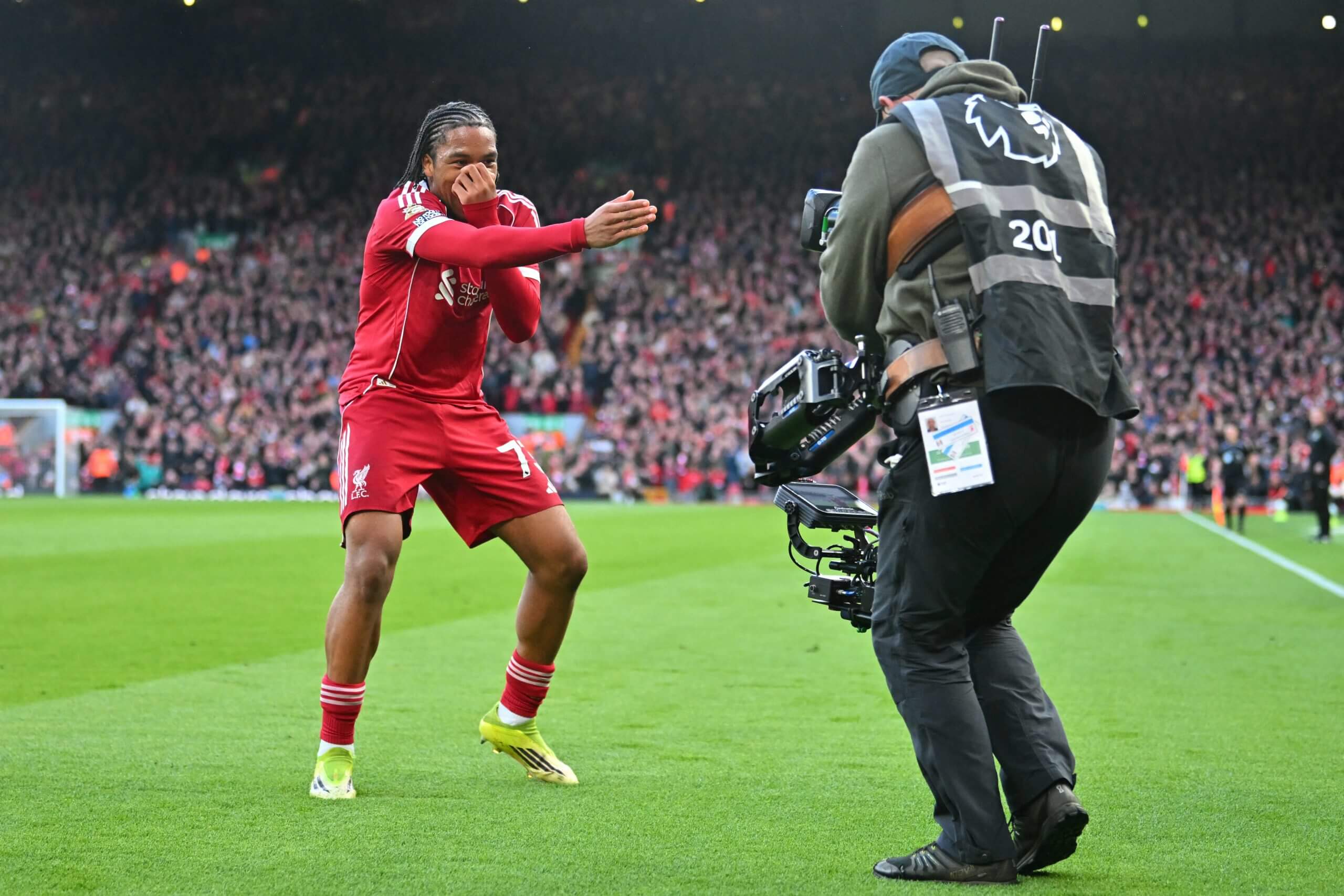
Bezos targets Liverpool for investment, viewing the high-end English football realm as a stable option for long-term asset growth. He is part of a consortium acquiring roughly 38 percent of Liverpool from Fenway Sports Group (FSG) for approximately $2.7 billion, significantly higher than the $470 million purchase by FSG in 2011. The potential for further increase is tied to future Premier League television rights deals and the possible introduction of a European Super League.
Despite the substantial investment, Bezos has chosen not to hold a board position, distancing himself from day-to-day operations, and allowing for steady growth without direct involvement. This strategy contrasts with other investors like INEOS, who engage deeply in club management.
FSG, under the leadership of John W Henry, Tom Werner, and Mike Gordon, insists that business will proceed as usual, with no full takeover on the horizon. Nevertheless, there is speculation around 1892 Holdings, led by Amit Bhatia, possibly gaining full control for $8 billion, far exceeding Liverpool’s estimated worth.
Bhatia and Eduardo Saverin, both younger investors alongside Bezos, bring diverse experiences, with Bhatia’s ties to Queens Park Rangers and Saverin’s role in Facebook’s early days. Bezos’ role as the “lead investor” is closely monitored due to his standing in the tech industry. His long-term impact on English football, an arena historically dominated by local businessmen, oligarchs, and sovereign wealth funds, is uncertain, sparking curiosity around future tech industry involvement in football.
The transition in club ownership reflects FSG’s typical phased approach, promoting stability. This aligns with their history of gradually retracting executive involvement, exemplified by sporting director roles.
The community’s sentiment towards Bezos is cautious. His history with the Washington Post raises concerns due to union-busting practices. Liverpool’s unionized fanbase values transparency and is wary of changes in club management.
Bezos’ wider plans, aligned with his strategic vision, remain under scrutiny. While Bezos embraces invention and influence, he faces a unique challenge in football club ownership, where traditional connections and community expectations are pivotal.