
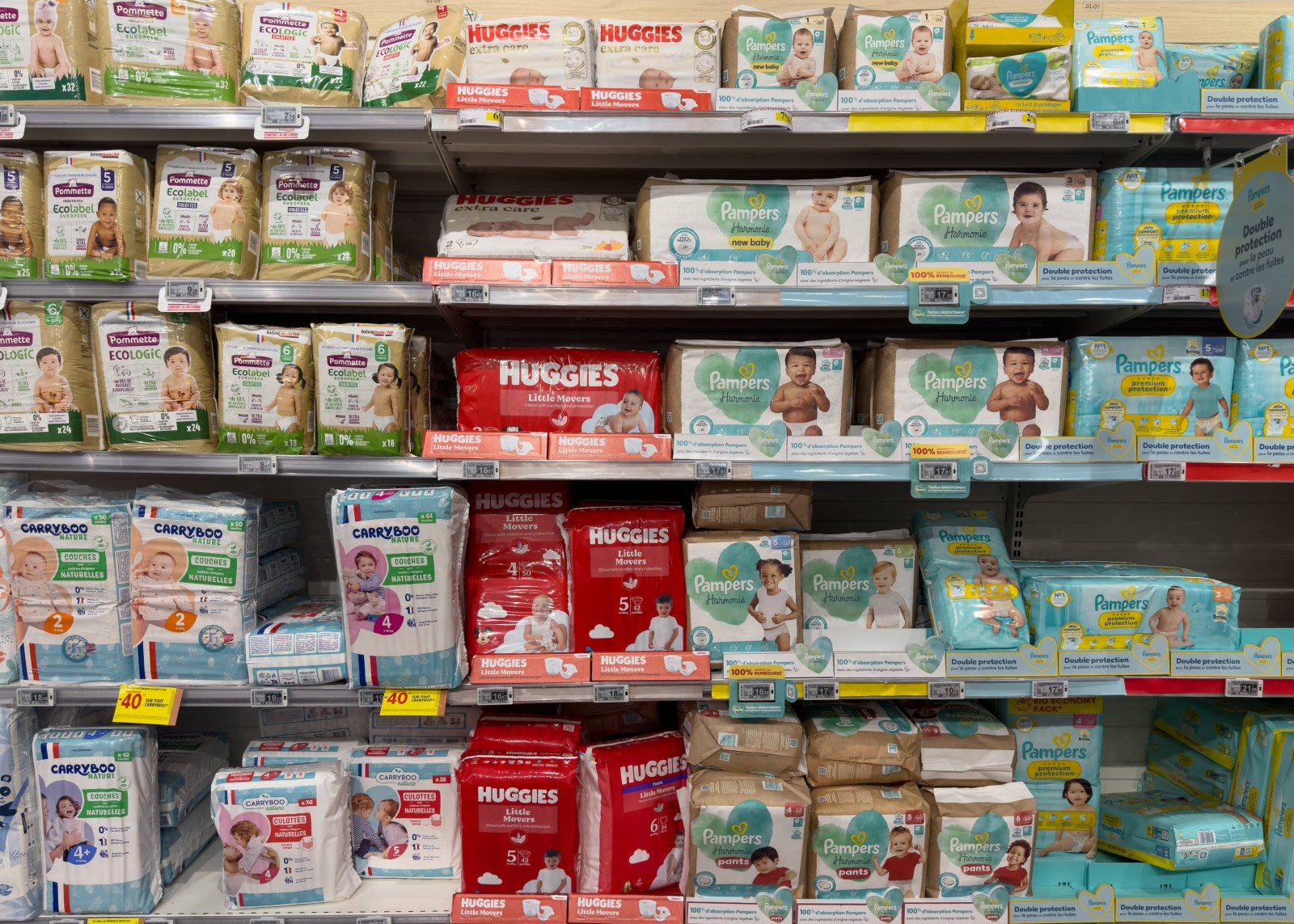
A new legislative proposal in California focuses on diaper manufacturers and their disclosure of potentially toxic chemicals. Assembly Bill 1901 mandates these manufacturers to publicly reveal all intentionally added ingredients in their products. By January 1, 2028, any diaper made, sold, or distributed in the state must meet this standard. A year later, this information must also appear on product packaging.
As a new dad, I have a new appreciation for how important it is for parents to make informed decisions when it comes to the health and wellness of their children,
stated Marc Berman, the Democratic assembly member who introduced the bill.
Currently, business confidentiality laws protect companies from disclosing chemicals unless they pose a known significant health risk. Despite arguments that current regulations balance consumer protection and trade secrets, the bill saw substantial support, passing the California Assembly 68-1. It is now expected to reach the state Senate for further consideration after clearing initial committee votes with little objection.
Reasons Behind the Proposal
Research from Environmental Science & Technology highlights that a typical U.S. child uses approximately 7,000 disposable diapers before potty training. Many children, some seniors, and around 20 million American women continue to use them beyond this stage.
This extensive use raises concerns about chemical exposure risks. Previous reports indicate diapers may contain harmful substances, such as phthalates and PFAS. Manufacturers are not generally required to disclose intentionally added substances, except in New York.
New York’s S2279C law took effect in December 2025, covering all diaper types. It imposes fines for non-compliance with disclosure rules. California’s proposal seeks not only to align with but also to exceed these requirements. Under AB 1901, violations would incur fines up to $5,000 for the first offense, escalating to $10,000 for further breaches, potentially accumulating daily. Importantly, all ingredient information, including their chemical abstracts service (CAS) numbers, must appear on an accessible website, with packaging offering a link to this information.
Consumer safety groups like Consumer Reports emphasize the issue of ‘fragrance’ labels, which often mask numerous ingredients without specification. This lack of detail means consumers may unknowingly face health risks.
Today, manufacturers can hide dozens of chemicals behind umbrella terms like ‘fragrance’ or ‘colors,’ according to the Environmental Working Group (EWG). These are potentially toxic mystery cocktails that prevent parents from knowing what’s in the products they use on their children every day.
EWG and Consumer Reports sponsor this legislation. It has garnered support from various groups, such as the Consumer Federation of California and actress Hilary Swank. Assemblymember Berman highlighted the critical importance of transparency, aiming to empower parents in choosing safe products for their children.
However, opposition exists. The California Chamber of Commerce, the California Manufacturers & Technology Association, and the Center for Baby and Adult Hygiene Products (BAHP)—representing U.S. diaper manufacturers—have raised concerns.
A BAHP spokesperson told the Los Angeles Times that diapers meet stringent safety standards and have a proven safety record. They also noted that member companies often exceed regulatory requirements with their safety measures.
Future Steps
The bill, introduced in March, swiftly passed the Assembly in May with a vote of 68-1, with 11 abstentions. It later cleared the Senate Environmental Quality and Appropriations Committees with bipartisan approval. This sets the stage for a full Senate vote.
An analysis indicates that implementing the bill would cost approximately $535,000 from 2027 to 2028. Costs would increase to $750,000 in the following year, later reducing to $685,000.