
Amid ongoing political and social divisions, the U.S. military and the respect for those who serve continue to hold significant regard. Politicians regularly express gratitude to troops, and stadiums and airports publicly acknowledge uniformed service members.
Another cherished American idea is the belief in the United States as a land of opportunity. The notion is that what matters is not where you come from, but what you do with your opportunities. For many generations, these ideals merged to offer non-American citizens a fair opportunity to integrate into U.S. society.
By joining the military, individuals enter a unique brotherhood where differences in race and creed are overlooked. This bond is based on the willingness to serve the nation, even at personal risk, which earns a place in the fabric of American society. However, recent events have challenged this principle.
Demands for Answers
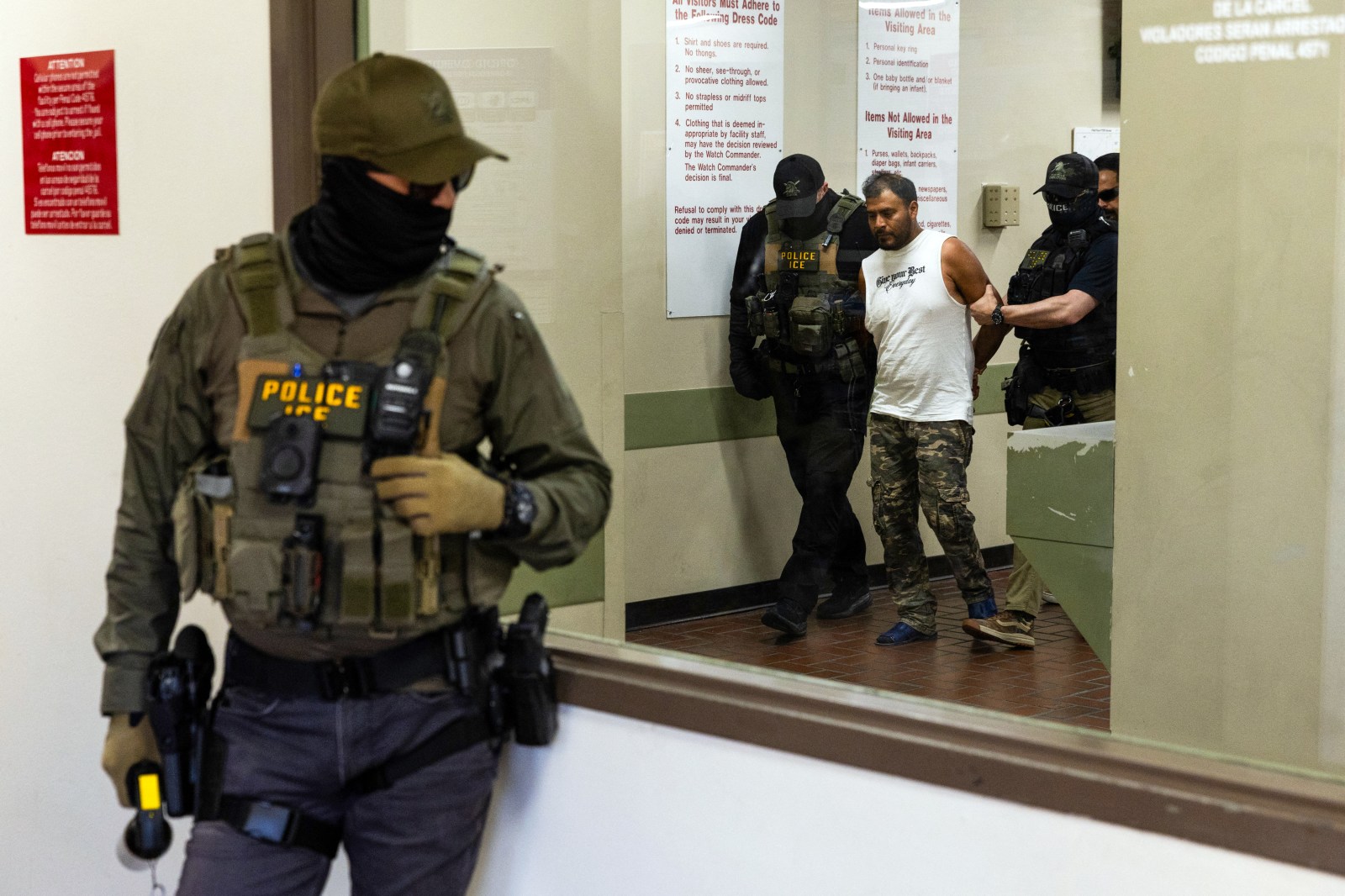
Senator Elizabeth Warren, along with over 60 congressional Democrats, is seeking explanations from the Trump administration regarding the deportation of noncitizen veterans and their families. Reports have surfaced about active service members being detained and facing possible deportation. These actions, while legal, are seen by some as contrary to American values.
Warren and her colleagues addressed a letter to several departments and organizations, such as the Department of Defense and ICE, demanding clarification on reports of detentions. Between January 2025 and January 2026, ICE arrested 125 former Armed Forces members, with 73 detained and others facing deportation. The letter references ICE statistics, indicating 16 active service members have been arrested since October.
Historical Context
Traditionally, U.S. laws have provided honorably discharged immigrant soldiers with simplified naturalization processes. This practice, dating back to the Civil War, allowed many to gain citizenship. According to records, over 800,000 people obtained citizenship through military service since World War I. Data shows around 187,000 individuals became citizens post-9/11, with more than 50,000 under the Biden administration.
The U.S. Immigration and Nationality Act allows noncitizens serving in the military during active conflict to apply for naturalization after a day of service, bypassing standard residence needs. This acknowledges the risks military personnel undertake in defense of the country.
The Role of ICE
ICE operates within the law concerning noncitizen service members. Military service does not guarantee citizenship or exempt individuals from broader immigration statutes. Indeed, criminal convictions are significant considerations in immigration procedures. In Warren’s letter, it is noted that 46 of the arrested former service members had active criminal warrants.
Similarly, having a family member in the military does not automatically grant legal status to relatives. Spouses or children of service members still face potential deportation. Deporting veterans is not a new practice; previous administrations have undertaken similar actions.
Addressing Military Family Needs
Recently, President Trump established the Military Spouse Commission to support military families in housing, education, and more. This move highlights the administration’s focus on family support, contrasting the ongoing deportations of military families. Citizenship and Immigration Services issued deportation notices to 113 relatives of veterans despite protections in place.
While immigration law provides posthumous citizenship for soldiers who die serving honorably, this offers little consolation to those who cannot enjoy this status in life. Warren and her colleagues expect a response to their letter by August 23, while thousands of noncitizen military personnel and veterans continue to face uncertainty.